by Hudson Moura
The 2026 Cannes Film Festival ended by confirming what many observers had already sensed throughout the edition: this was, in many ways, a return to independent cinema. The relative absence of major Hollywood studios and blockbusters from the main competition reopened debates about Cannes as a bastion of auteur cinema, about the survival of art-house filmmaking, and about the place of streaming platforms within the global film ecosystem. Yet Cannes also maintained a strong symbolic link to Hollywood through its honorary tributes to Barbra Streisand, Peter Jackson, and John Travolta, showing once again how the festival balances cinephile prestige, international glamour, and industry memory.
At the same time, the festival was not defined primarily by glamour, but by the sense that cinema is now inseparable from the political, cultural, technological, and media tensions of the contemporary world. From the opening press conference, when Demi Moore defended the idea that art should not politically censor itself and Park Chan-wook argued that separating art from politics is artificial, Cannes positioned itself as a place where cinema continues to think through the crises of the present. In the French and francophone press, this debate was connected to the rise of the far right in Europe, the wars in Gaza and Ukraine, tensions around public media, and the broader political climate ahead of the 2027 French presidential election. Cannes thus emerged as a space of cultural resistance, not simply a showcase for films.
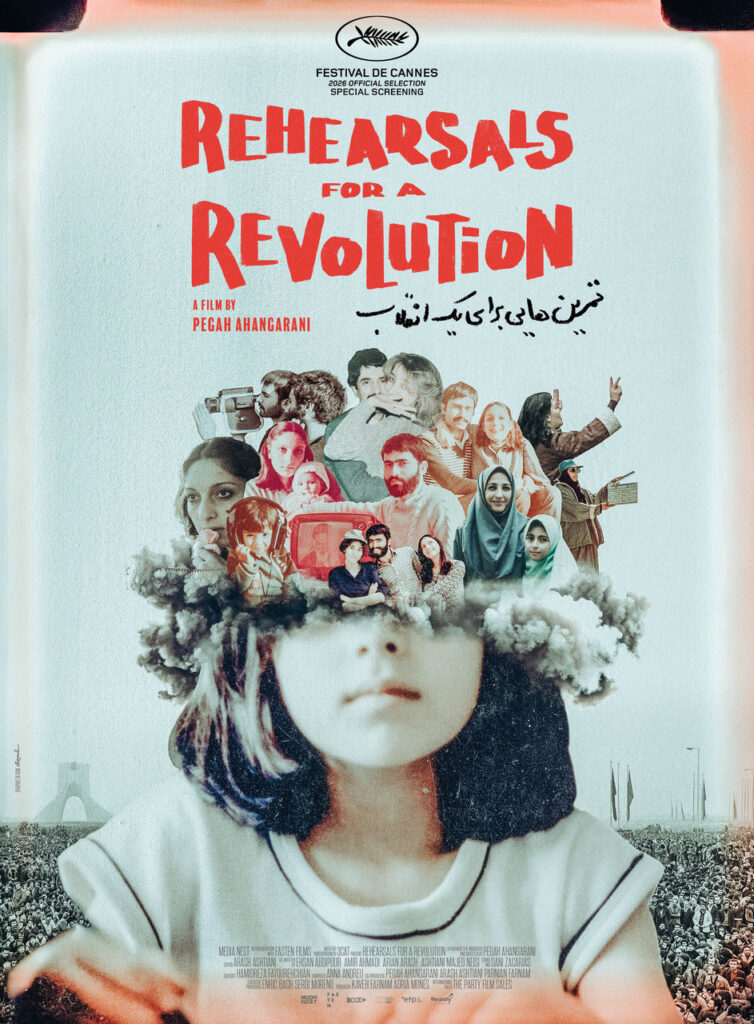
This political dimension was reinforced by the prominence of several Iranian filmmakers, often working in exile or addressing repression directly. The most visible case was Asghar Farhadi, who presented Histoires parallèles, made in France with Isabelle Huppert and Vincent Cassel, and used his presence at Cannes to denounce repression in Iran and civilian deaths linked to war. There was also strong attention around Pegah Ahangarani’s documentary Viendra la révolution, shown out of competition, which revisits Iranian political history since 1979 through exile, archives, and internet shutdowns. These films helped make Cannes not only a festival of world cinema, but also a forum where geopolitical wounds and exilic perspectives were openly present.
Another major thread this year was the debate over artificial intelligence and the future of cinema. AI was everywhere in the discussions: generative AI, the possible replacement of creators, the impact on screenwriters and actors, and the transformation of audiovisual production. Yet the mood was not simply anti-AI. Rather, Cannes 2026 was described as a place where cinema tried to position itself as a bulwark against the excessive automation of artistic creation, while also acknowledging that some filmmakers now see AI as a tool, albeit one tied to anxieties about intellectual property, the disappearance of certain professions, and aesthetic standardization. In that sense, Cannes was again acting as a crucial meeting ground for film communities trying to think collectively about the future of their medium.
The media environment of Cannes also became a subject in its own right. The growing presence of influencers, TikTok, Instagram, micro-content, and vertical video culture on the Croisette led to intense discussion in France about the changing nature of criticism and cinephilia. Some welcomed this shift as a democratization of film discourse; others denounced a “TikTok-ization” of Cannes and the dilution of traditional criticism. At the same time, critical voices in France also argued that the official competition remained too narrow and too centered on Western Europe and a handful of already established auteurs. This tension between the festival’s official rhetoric of international diversity and accusations of institutional auteurism became another important part of the conversation.
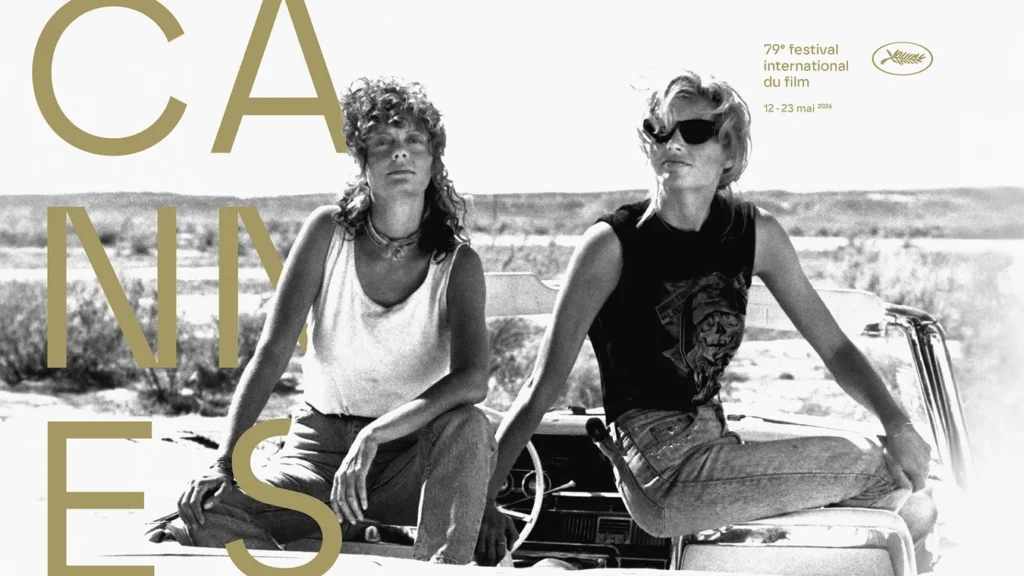
The official poster of Cannes 2026 also played an important role in shaping the festival’s symbolic identity. This year’s poster honored Thelma & Louise, not simply as a nostalgic gesture, but as a revival of a feminist imaginary from 1990s American cinema. Cannes presented the film as one that had overturned gender stereotypes and whose themes of friendship, emancipation, and female freedom remain urgent. But the reception was ambivalent: while many saw it as a powerful choice, others criticized it as a possible form of “feminism washing,” since women remained underrepresented in the competition. That ambivalence is revealing. It shows how Cannes continues to celebrate film history while also prompting debate about how that history is mobilized in the present, and whether symbolic gestures are matched by structural change.
That same dynamic appeared in the festival’s ongoing #MeToo conversations. One of the most discussed moments was Cate Blanchett’s remark that #MeToo had been “killed very quickly” in Hollywood. She stressed that film sets remain heavily male-dominated and that structural change has been insufficient. In France, these discussions were also linked to Judith Godrèche, who has become a central figure of #MeToo in French cinema, and whose Mémoire de fille was presented in Un Certain Regard. Here again, Cannes functioned as more than an event: it became a public arena where questions of power, gender, institutional reform, and the afterlife of #MeToo were debated in relation to contemporary cinema.
The general tone of the competition itself was described as darker and more anxious than in previous years. Critics noted the recurrence of themes such as war, grief, social fracture, historical memory, migration, political violence, and the relationship between humans and technology. Queer visibility also remained important, especially through the Queer Palm and through strong queer titles in the parallel and midnight sections, even if some critics pointed out that queer representation remained more visible outside the main competition than within it. All of this reinforced the sense that Cannes 2026 was a festival traversed by the crises of the contemporary world, but still trying to defend the artistic and intellectual value of cinema.
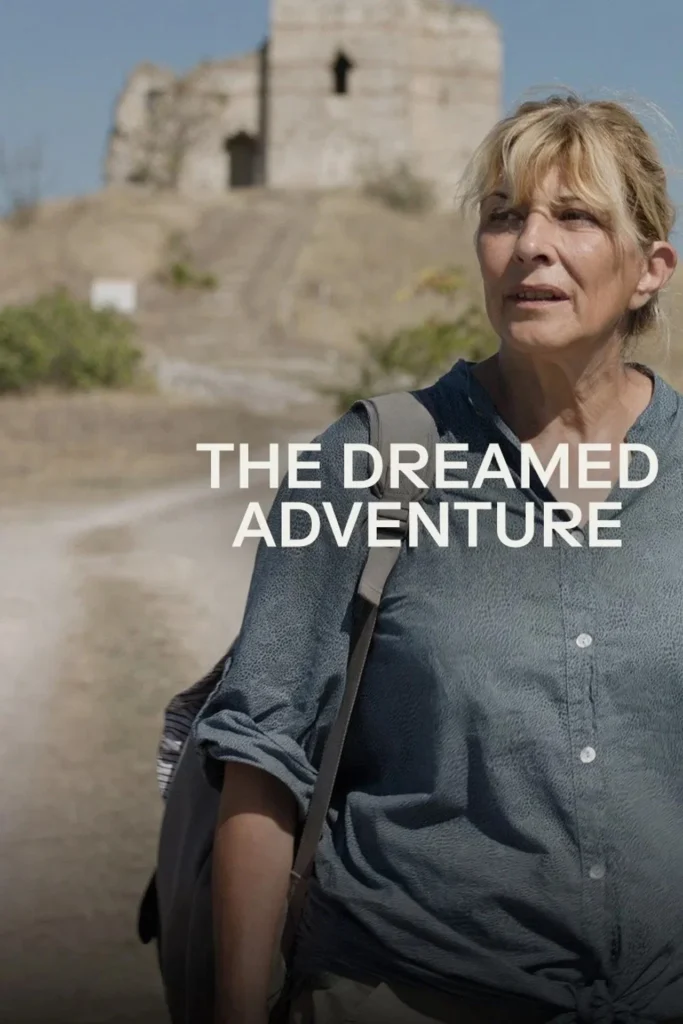


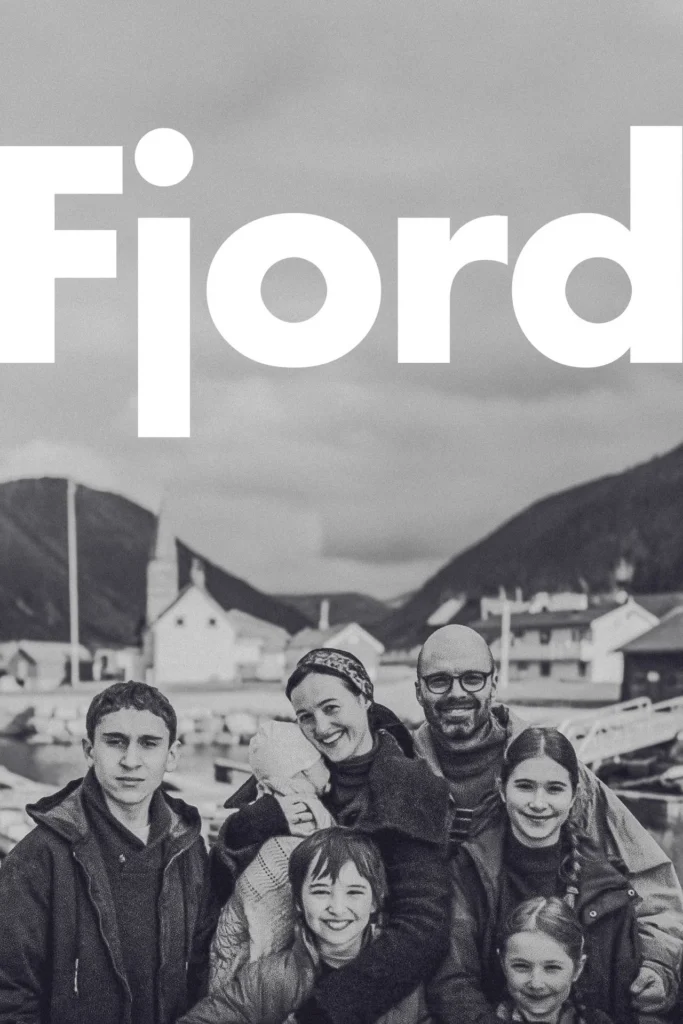
Now that the palmarès has just been announced, these broader discussions take on a more concrete shape. The Palme d’Or went to Fjord by Cristian Mungiu, while the Grand Prix was awarded to Minotaur by Andrey Zvyagintsev, one of the most critically noticed and politically resonant titles of the competition. The Jury Prize went to The Dreamed Adventure by Valeska Grisebach. These top awards confirm that Cannes 2026 ultimately favored serious, auteur-driven films marked by moral gravity, historical unease, and political resonance.
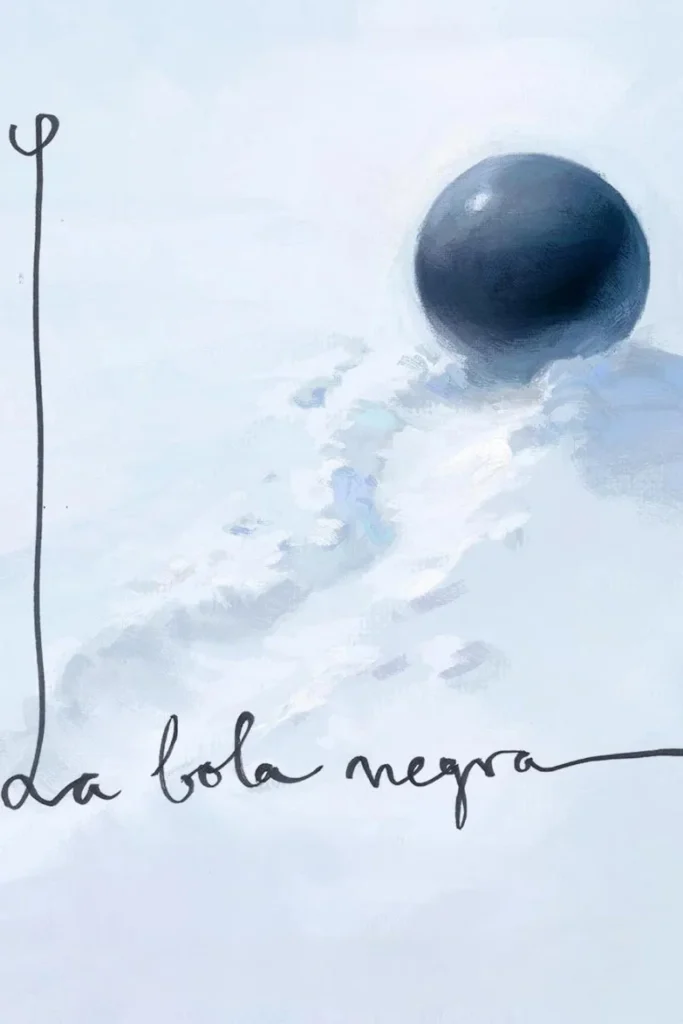
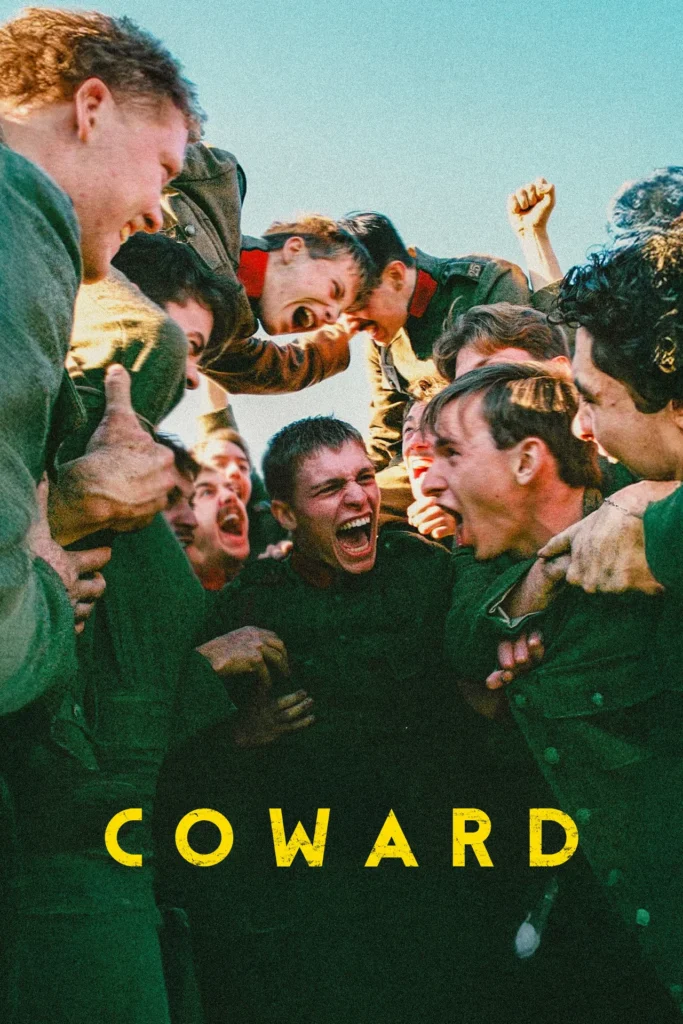
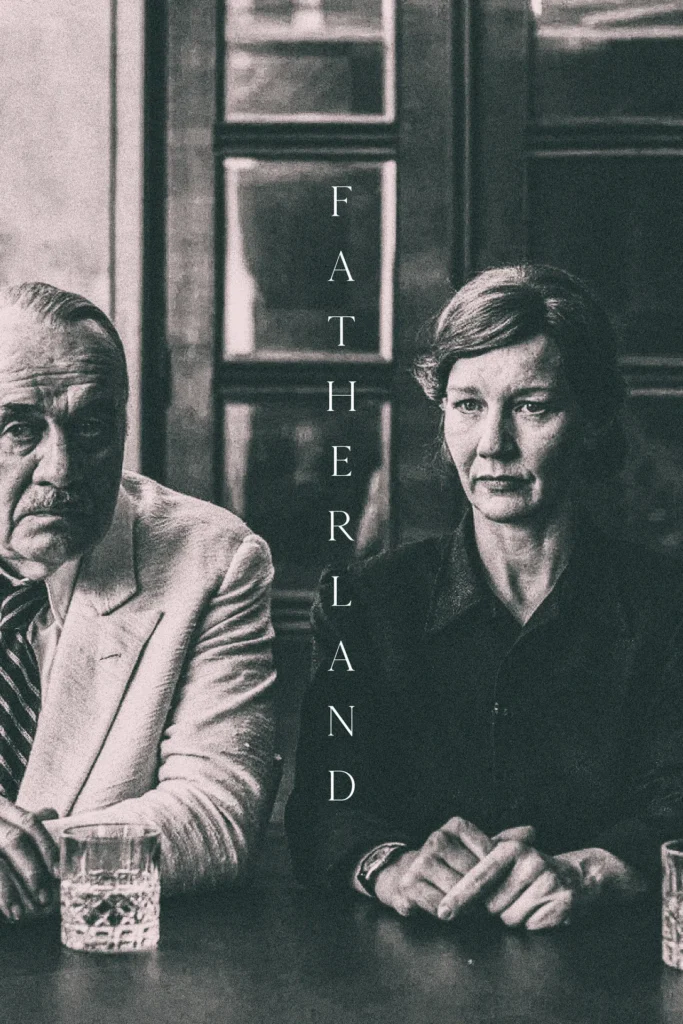
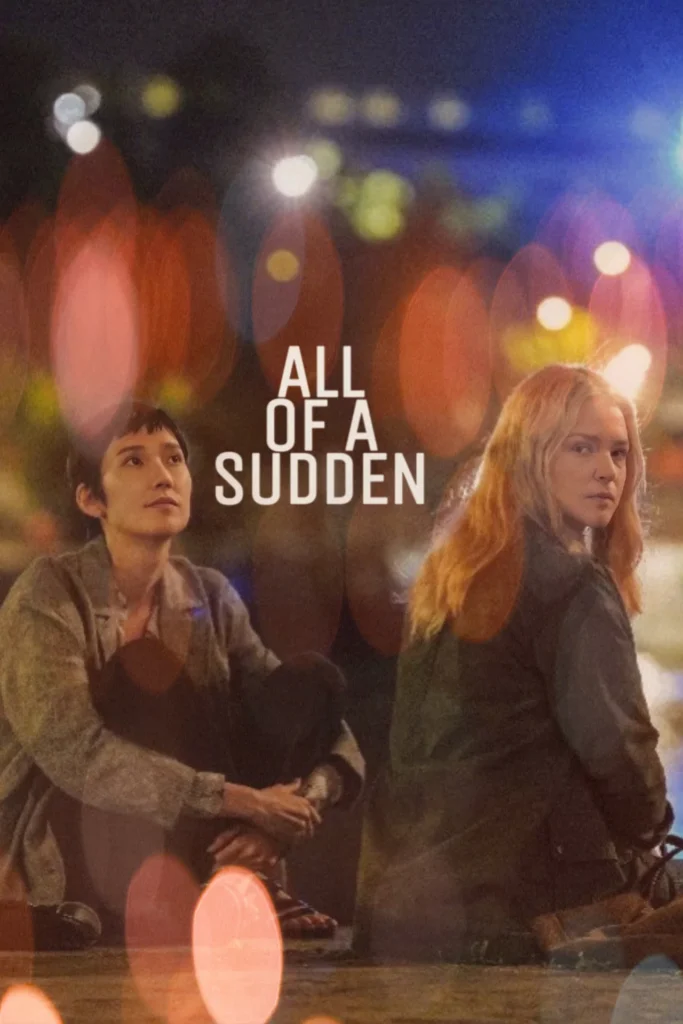
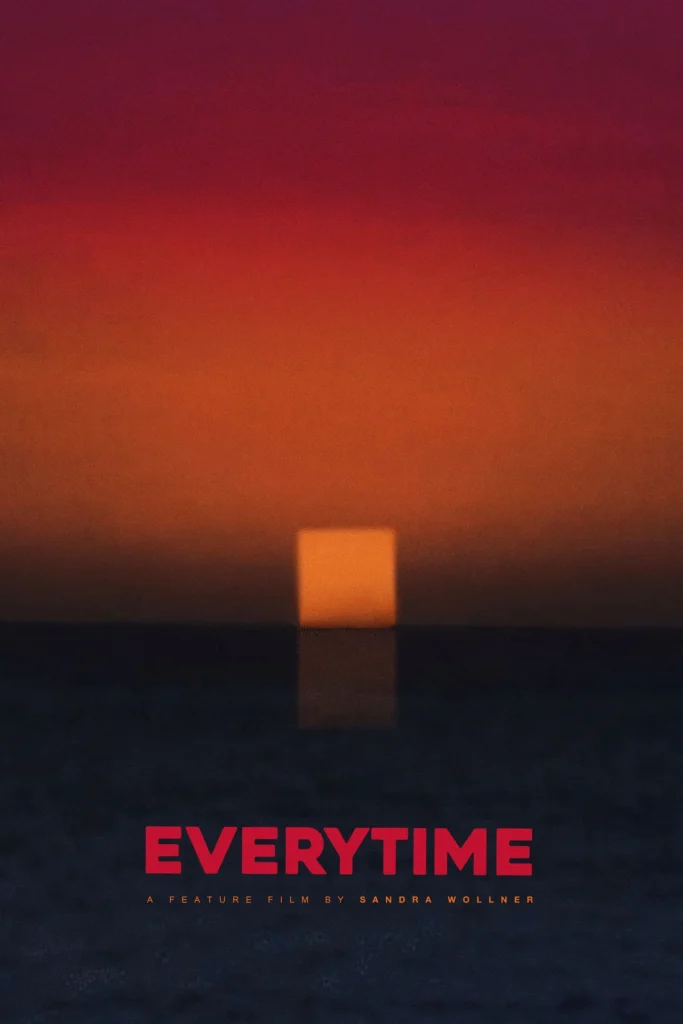
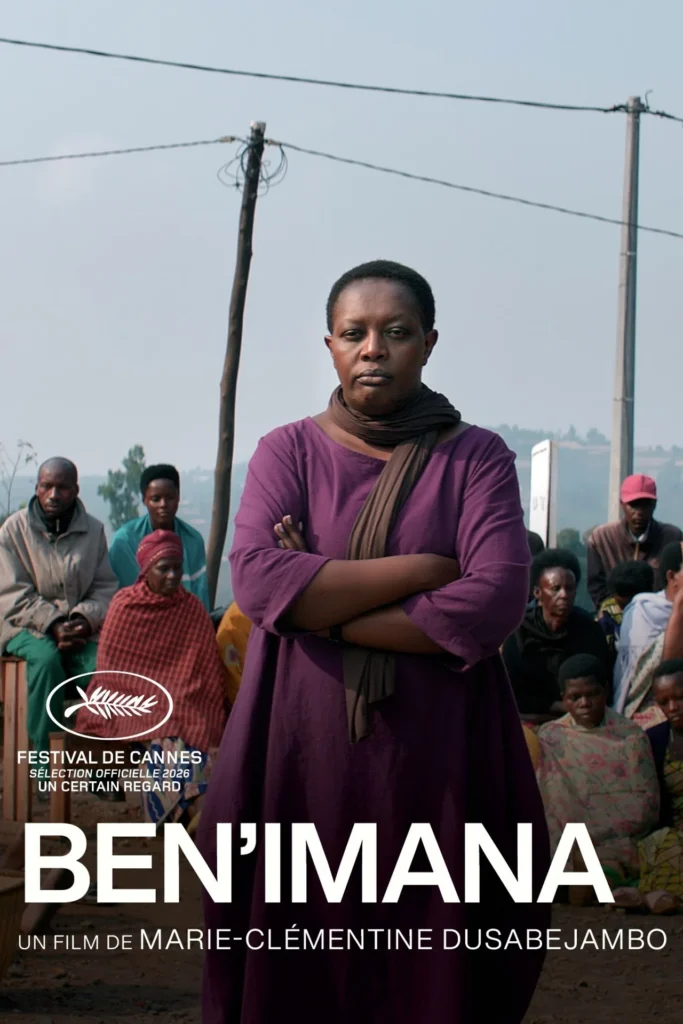
The acting prizes were shared in both categories. Best Actress went ex aequo to Tao Okamoto and Virginie Efira for All of a Sudden by Ryûsuke Hamaguchi, while Best Actor went jointly to Emmanuel Macchia and Valentin Campagne for Coward by Lukas Dhont. Best Screenplay was awarded to Emmanuel Marre for Notre Salut, and Best Director was shared by Javier Calvo and Javier Ambrossi for La Bola Negra and Paweł Pawlikowski for Fatherland. Beyond the main competition, Everytime by Sandra Wollner won Un Certain Regard, Teenage Sex and Death at Camp Miasma by Jane Schoenbrun received the Queer Palm, Rehearsals for a Revolution by Pegah Ahangarani took the Golden Eye for Best Documentary, and Ben’imana by Marie-Clémentine Dusabejambo won the Caméra d’Or.