Fantasy Life: A Woody Allen Type for an Age of Anxiety

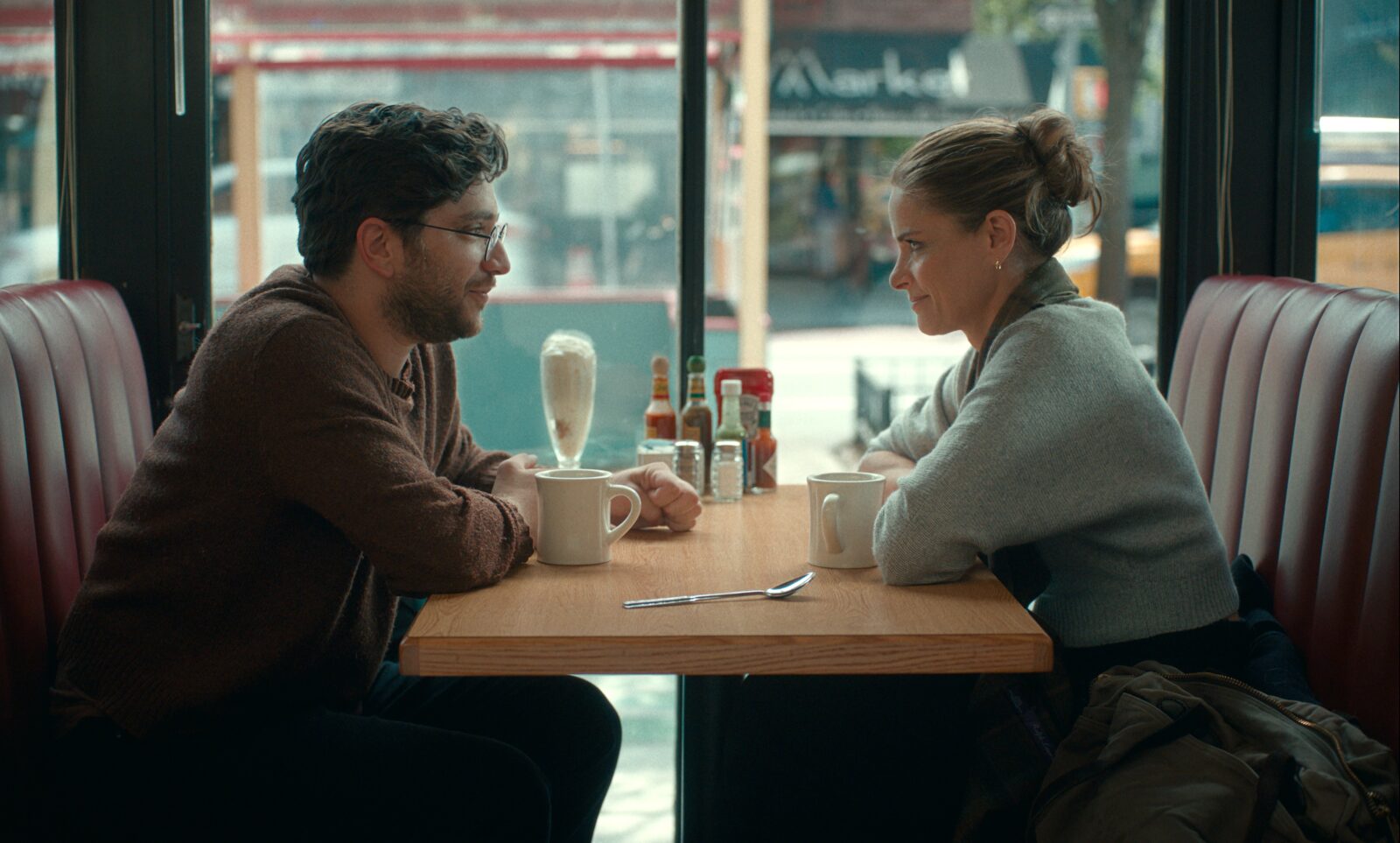
Fantasy Life is an imperfect but charming film, shaped by an appealing central performance and a strong ensemble. Its portrait of depression, anxiety, emotional immaturity, and fragile connection is often compelling, even if its script and seasonal structure do not always fully support its ambitions. Matthew Shear’s work is consistently engaging, and the film finds much of its value in the tension between light comedy and personal struggle. It may not be fully polished, but it has enough tenderness, intelligence, and good performances to make its awkwardness part of its appeal.

Continue Reading →

Zendaya and Pattinson in The Drama: Can Love Start Over?

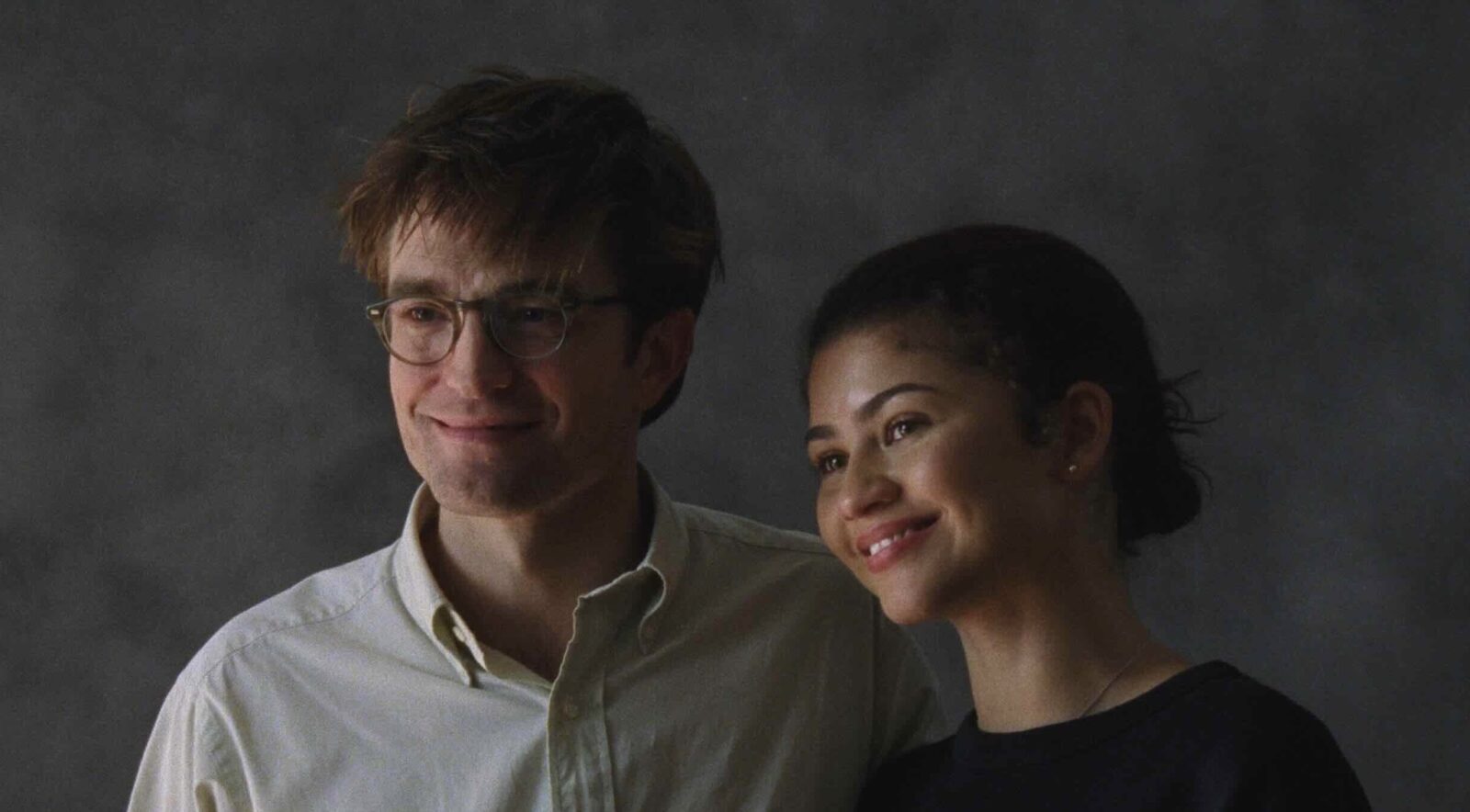
What makes the film compelling is precisely this tonal balance. It never abandons the pleasures of romantic comedy and relational drama, but it gradually infuses them with discomfort, uncertainty, and emotional volatility. The result is a film that is both entertaining and perceptive, one that captures how intimacy can move rapidly from warmth to estrangement, from play to revelation, from trust to doubt.

Continue Reading →

Akashi: Memory, Mourning, and an Uneven Return

Akashi is an imperfect but sincere and thoughtfully directed film. Its exploration of mourning, family memory, and first love contains genuine emotional weight, while its visual treatment of time through colour and monochrome gives the story a distinctive texture. The direction shows sensitivity, and the Japanese cast brings depth, restraint, and authenticity to the film’s most affecting moments. Although the screenplay leans too heavily on dialogue and Mayumi Yoshida’s casting as Kana creates some distance within the film’s emotional world, Akashi still emerges as a work of recognizable delicacy and earnestness.

Continue Reading →

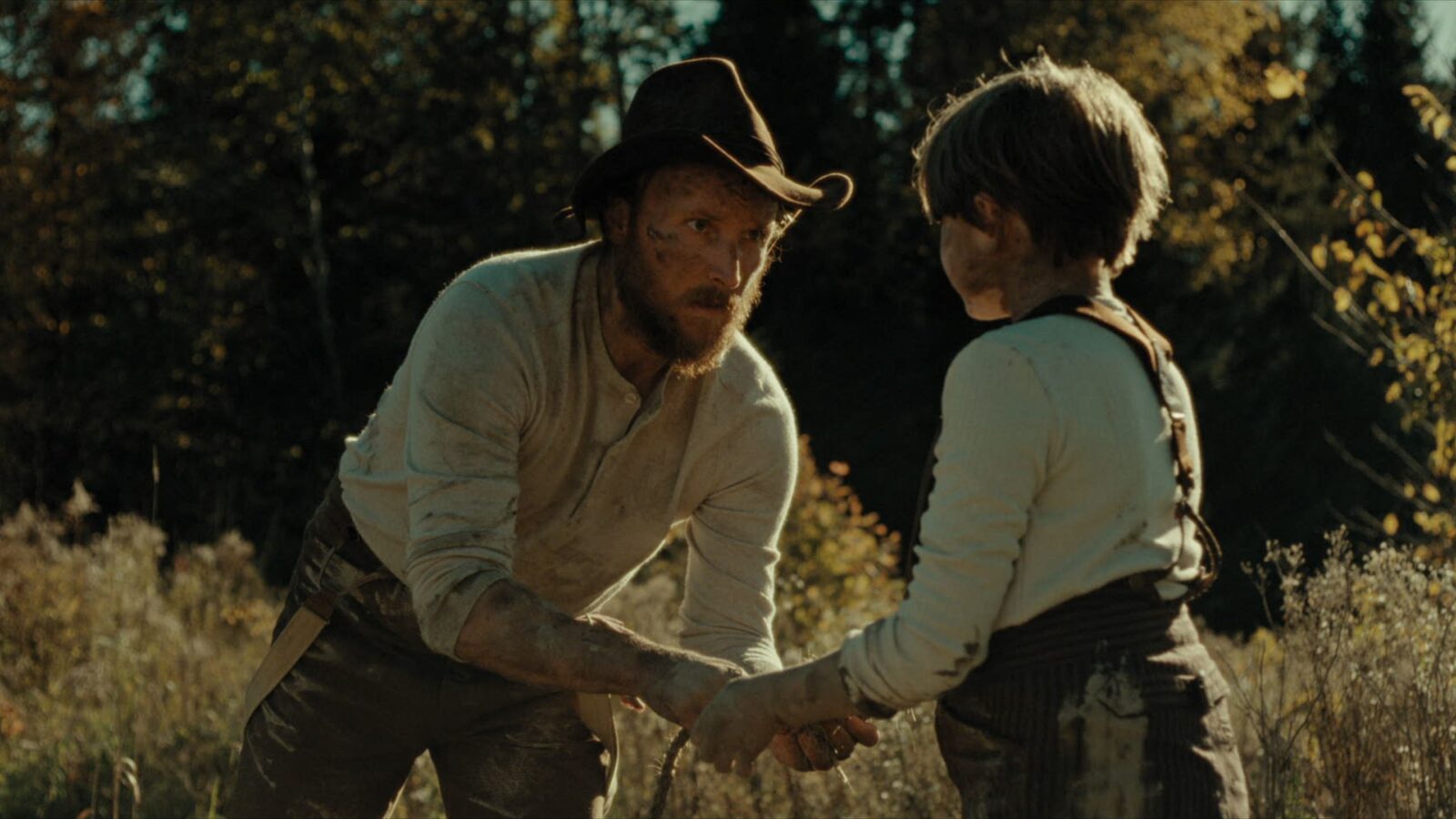
A Breed Apart: A Bleak Premise Without Dramatic Force

A Breed Apart contains the outline of a meaningful story about grief, land, and the fragile bond between father and son, but it never fully transforms those ideas into a gripping or emotionally grounded film. Its premise suggests a drama of hardship and attachment, yet the weak script, limited action, uneven performances, and unconvincing visual details prevent it from achieving the depth or intensity it seems to seek. What remains is a film with interesting thematic possibilities, but one that feels underdeveloped in execution.

Continue Reading →

It Comes in Waves: Trauma, Memory, and the Weight of Survival

It Comes In Waves is a sincere and often powerful film about the afterlife of genocide, displacement, and familial trauma. Its atmosphere is intensely oppressive, its thematic focus urgent, and its formal choices are effective in conveying anguish and entrapment. At times, however, this intensity becomes excessive, making parts of the film feel almost tiring over the course of more than an hour. If some performances and relationships lack the depth needed to fully realize the emotional complexity of the material, the film nevertheless remains a serious and affecting attempt to give form to the ongoing reverberations of historical violence..

Continue Reading →

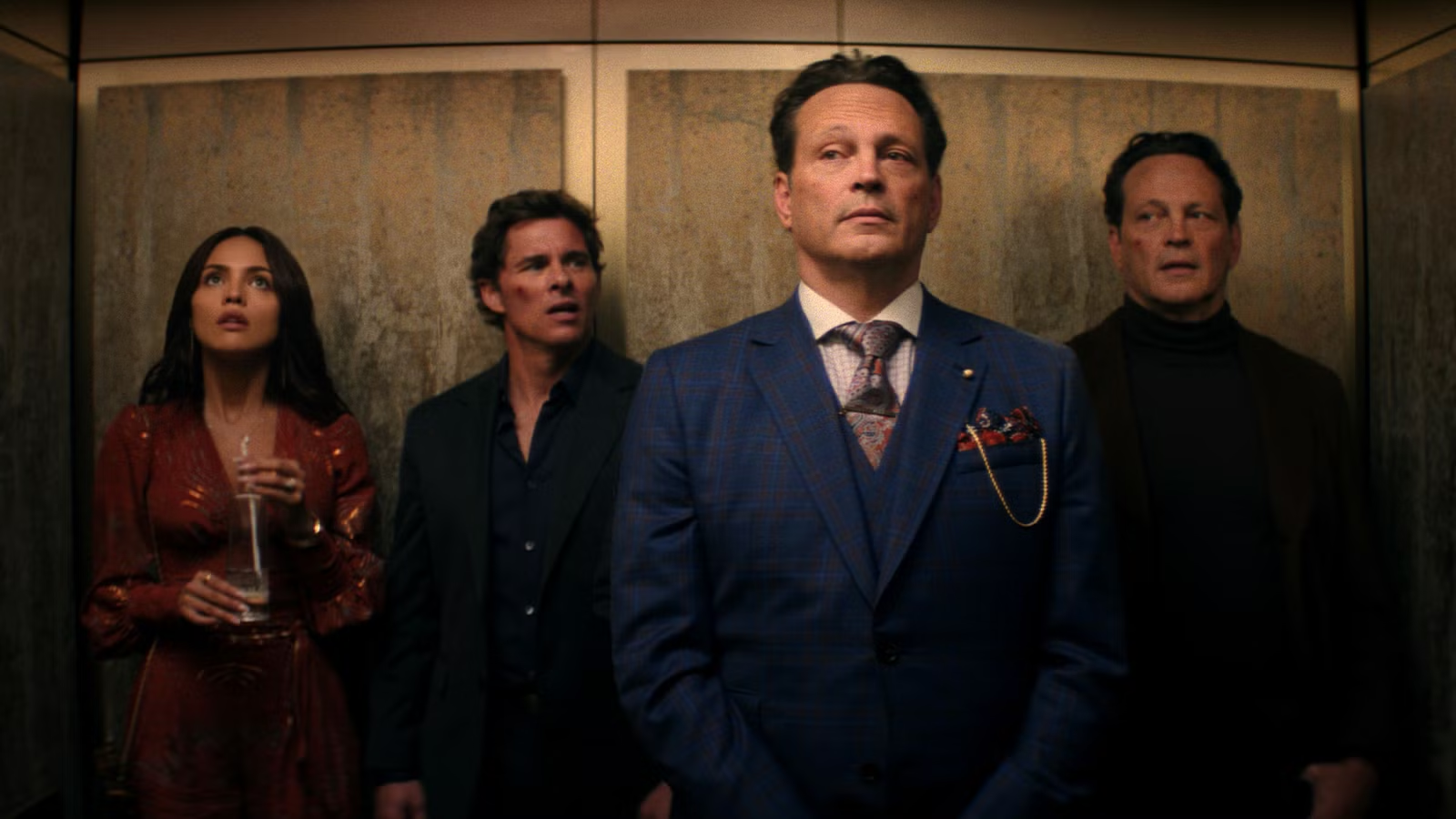
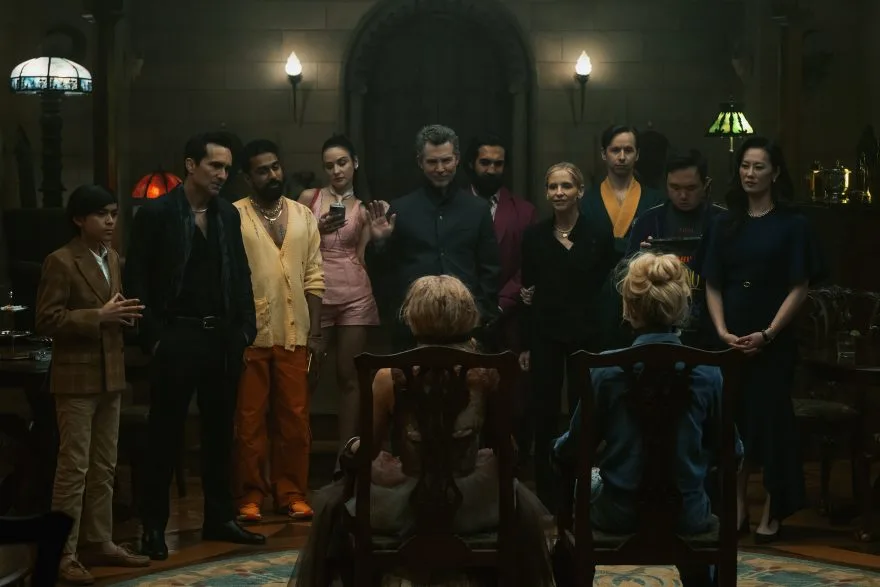
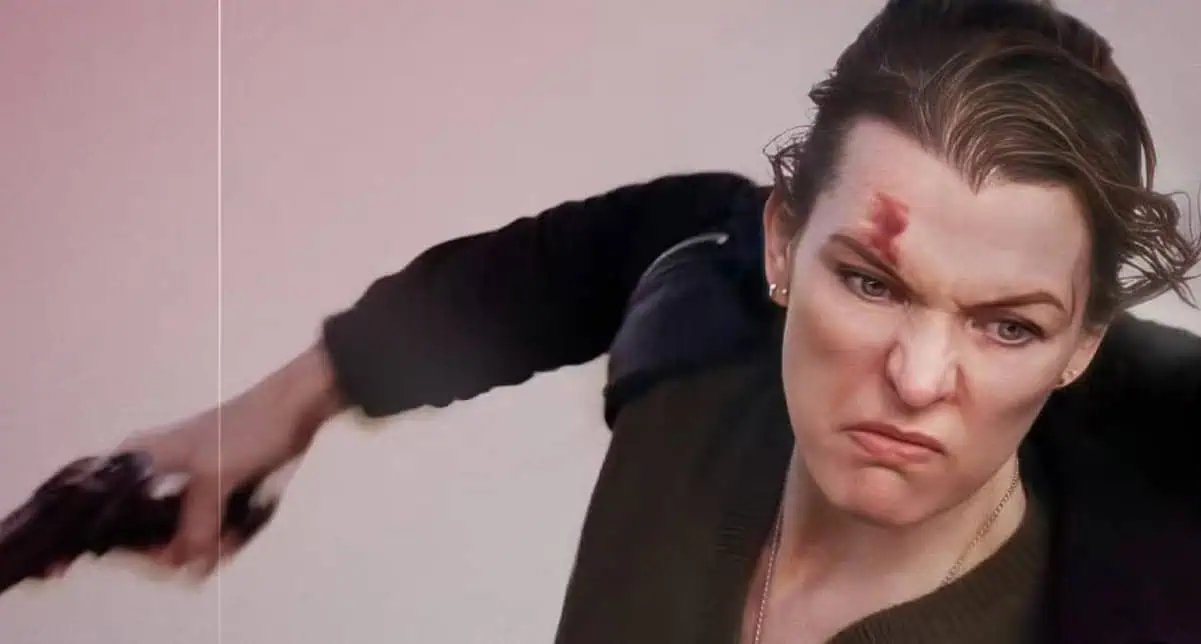
Mike, Nick Nick and Alice: A Noisy Puzzle of Time, Crime, and Missed Comic Potential

Mike, Nick Nick and Alice (written and directed by BenDavid Grabinski) is built around a potentially useful gimmick—time, doubles, and underworld confusion—but the film rarely converts that premise into sustained pleasure or coherent tension. Structured around “the party” and its aftermath, it leans heavily on the energy of endless bickering, yet the repeated fighting quickly becomes predictable rather than dynamic: noise replaces rhythm, and irritation substitutes for escalation.

Continue Reading →

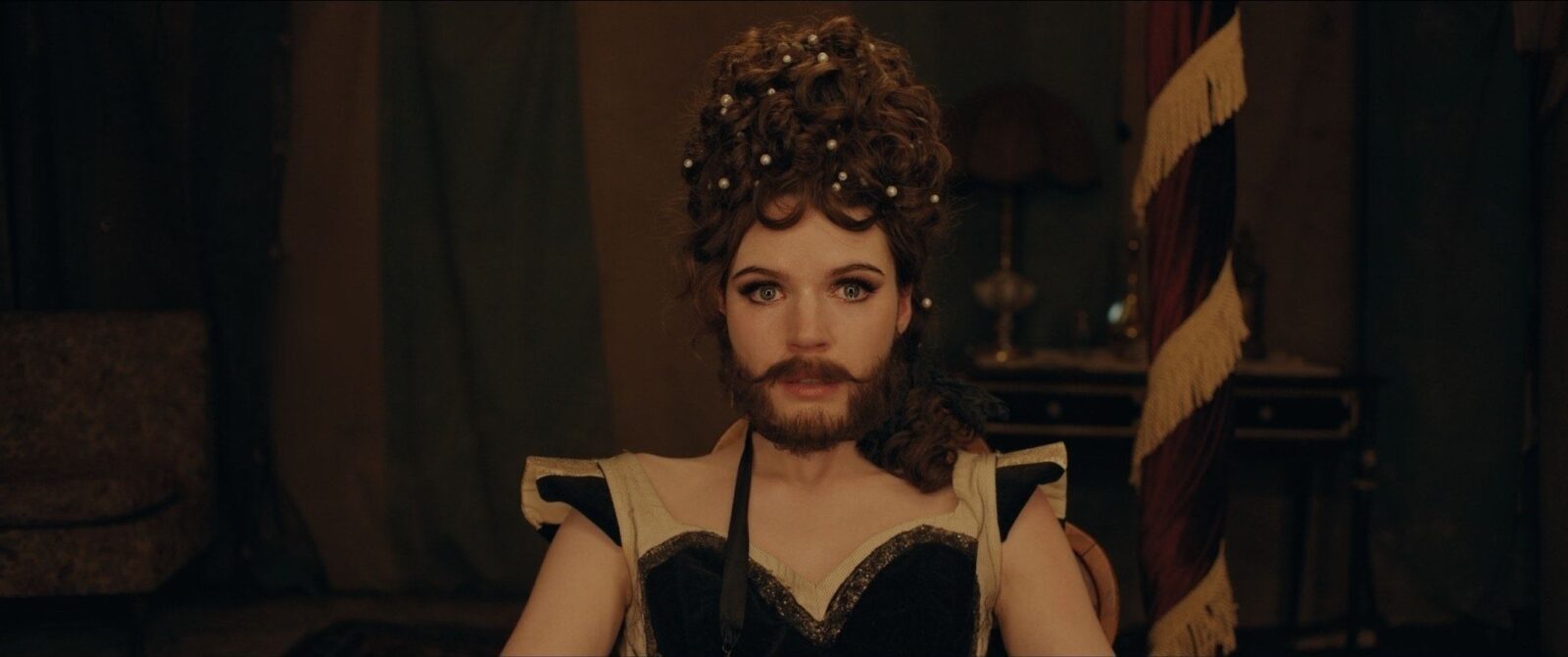
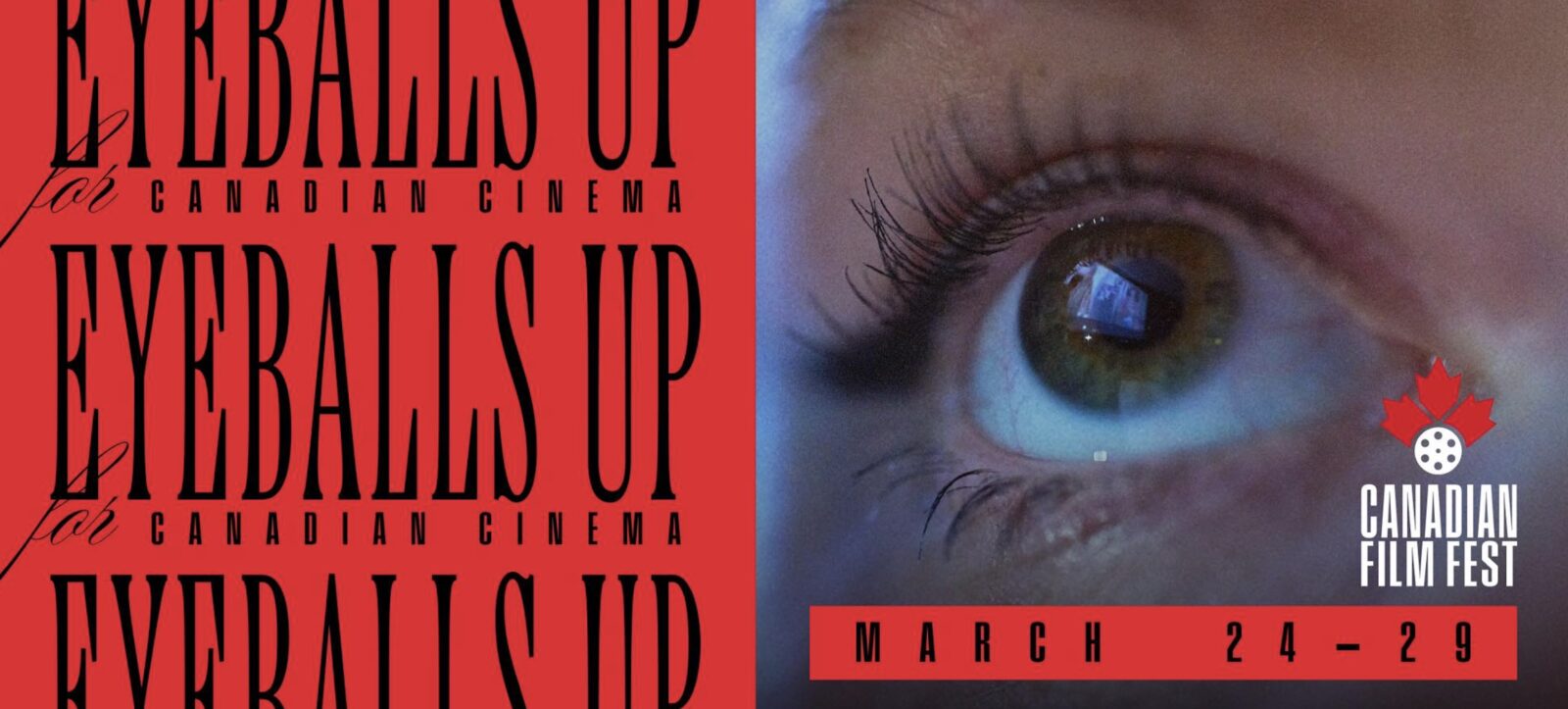
Eyeballs Up, Shorts First: Canadian Film Fest at 20 and the Power of Condensed Storytelling

In aggregate, the shorts reveal the festival’s strongest achievement: they treat “Canadian cinema” not as a single identity, but as a set of forms—documentary, fable, performance, social realism—through which Canadian filmmakers test how much complexity can be carried in a brief duration. At its best, this short-film programme does exactly what the anniversary rhetoric promises: it asks audiences to look up, lean in, and recognize that the boldest ideas in a festival are often the ones that arrive in the smallest packages.

Continue Reading →

Project Hail Mary: A Surprisingly Dense, Warm-Hearted Space Epic

Project Hail Mary is both entertaining and quietly philosophical, particularly in its reflection on otherness, human expectations, and the limits—and possibilities—of technology. It does not drift into the mystical or transcendental; its questions remain anchored in ethics, cooperation, and survival. What lingers most is the film’s insistence that a mission of planetary scale can still be carried by the fragile, persuasive drama of one person learning—slowly and painfully—what responsibility might demand.

Continue Reading →

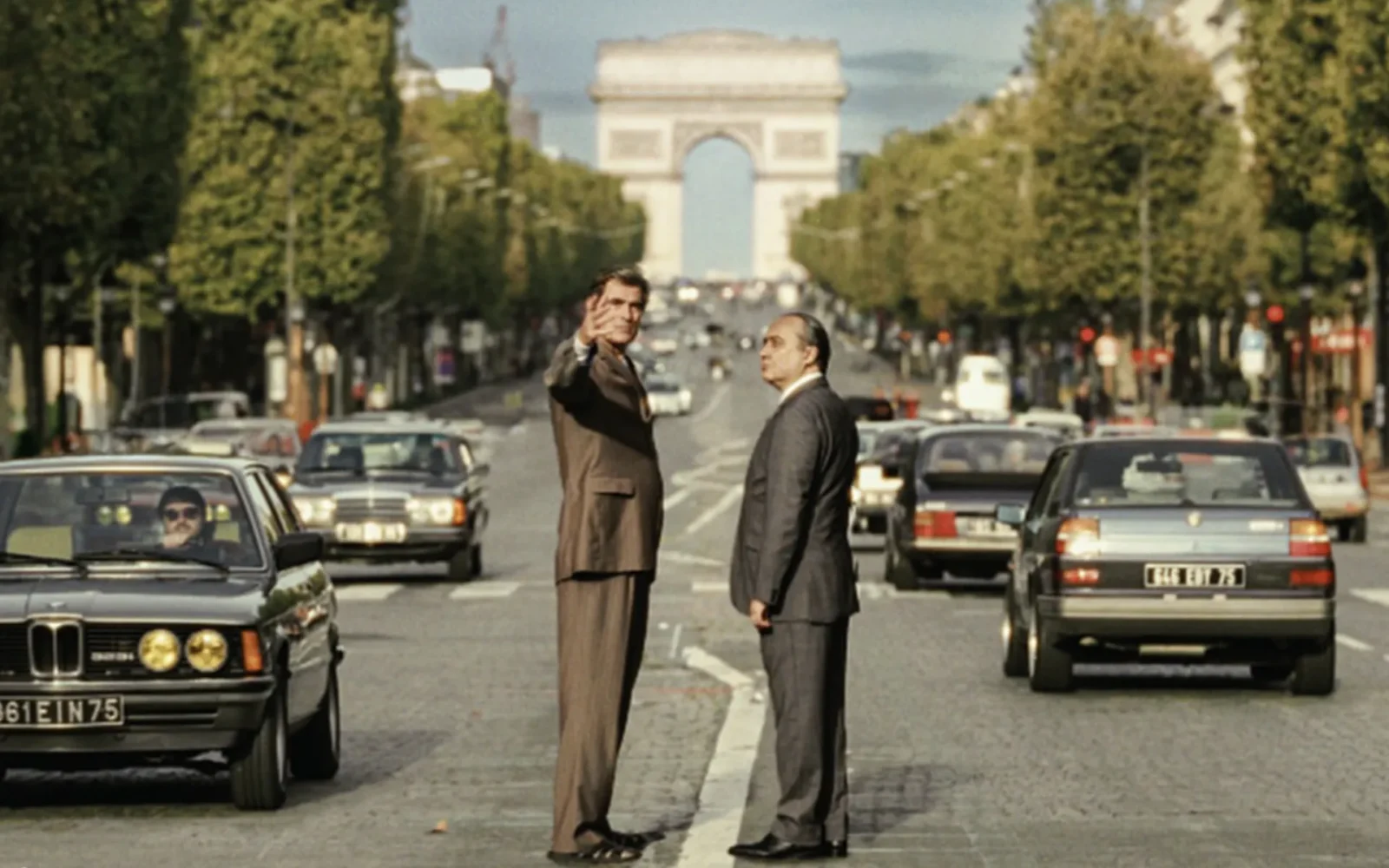
The Unknown of the Grande Arche: When an Architect’s Dream Meets the State’s Machine

What gives The Unknown of the Grande Arche its resonance is its insistence that this is not merely a period tale. The film’s conclusion is implicit throughout: some conflicts do not change. In any era, the artist’s dream collides with the same enduring forces—politics, industry, finance—and the larger the public project, the more brutally those forces assert themselves.

Continue Reading →

Dreams’ Love as Possession: Wealth at a Distance and the Detachment That Blunts the Drama

Dreams critiques privilege effectively, but it does so from a position that never quite identifies with—or fully explains—the social ecosystem it stages, suggesting that this sphere of wealth is less Jennifer’s (Jessica Chastain) lived world than an apparatus she wields. Isaac Hernández is especially compelling—his physical credibility as a dancer and his Spanish-speaking presence ground Fernando’s vulnerability without reducing him to innocence. The result is a film that is less interested in romance than in domination: an unsparing portrait of how privilege can convert desire into ownership, and how the language of love can become one more instrument for denying another person’s individuality and becomes our ideally object of desire and satisfaction.

Continue Reading →

Style with Teeth: Crime 101 and the Rare Action-Noir Where Cinematography and Sound Steal the Show

Crime 101 deserves more credit than it is likely to receive in the crowded marketplace of action releases. Layton, whose earlier work already showed a talent for staging real-world systems with narrative finesse, orchestrates this ensemble with cleverness and restraint, delivering a film that is both satisfyingly watchable and formally distinctive. It is a rare genre piece in which the camera and the soundtrack do not merely accompany the thrill—they are the thrill.

Continue Reading →

A Marriage in Parallel Crises: Midwinter Break as Quiet, Actor-Driven Reckoning in Amsterdam

The film’s poster is an apt visual correlative of its central tension: two figures sharing the same city and the same frame, yet inhabiting different moments of that space-time. Their proximity suggests intimacy, but the subtle fracture running through the image—separating them even as they face one another—registers a quieter distance of gaze, posture, and emotional temperature. It captures what Midwinter Break traces with such precision: a long marriage in which partners remain physically together while moving along divergent interior timelines, each carrying a private crisis the other can only partially perceive.

Continue Reading →

“Kill the Light”: The Things You Kill as Tableau of Translation, Inheritance, and Intergenerational Violence

Khatami’s self-description as an orphan or nomadic filmmaker, together with the film’s Canada–France–Poland co-production context, positions cinema as a space of relative freedom—one where the work need not “answer” in advance to national expectation or identity branding. This stance also underwrites the film’s refusal to be reduced to an “ethnic” label as well as a genre film: even as it incorporates Turkish cultural textures with remarkable density, it aims at something more structurally legible—a study of how violence becomes tradition, how familial memory hardens into an inheritance, and how form itself (tableaux and close-ups; shifts from brightness to darkness; the strategic withholding of a guiding musical score) can render that inheritance visible without presuming to resolve it as a linear storyline.

Continue Reading →

“Dear Father, I Will See You in Dreams”: My Father’s Shadow as Powerful Political Reverie

When the father takes the two boys with him to Lagos to seek overdue payment from his boss, the film renders the city legible through sheer proximity: the camera clings to faces in insistent close-up, letting skin and gaze fill the frame against a densely populated, slightly chaotic urban field. The result is an intimacy that feels pointedly personal—almost tactile—so that public space registers less as panorama than as pressure: noise, movement, and crowding filtered through what the father and boys see, endure, and attempt to comprehend during the political unrest in Nigeria in 1993.

Continue Reading →

Between Story and Captivity: The Captive as Intriguing, Disorienting Cervantes Origin Myth

The Captive is an intriguing meditation on narration as survival and self-fashioning—an account of a celebrated writer’s life that is deliberately unresolved, and perhaps most persuasive precisely when it refuses to convert captivity, desire, and invention into a single, stable truth.

Continue Reading →

Riding Pillion: Power, Coercion, and Uneasy Self-Discovery

“Pillion,” the word for the back seat on a motorbike, becomes an apt metaphor for a romance structured around riding behind someone else’s desire, will, and direction. The film Pillion, written and directed by Harry Lighton, is a gay-drama-romance structured around an asymmetrical relationship whose very premise is power: Colin (Harry Melling), a sensitive holiday carol singer and self-effacing “wallflower,” becomes fixated on Ray (Alexander Skarsgård), the strikingly attractive leader of a motorbike club.

Continue Reading →