TIFF26′ A Long Winter: Beautifully Made, Dramatically Familiar

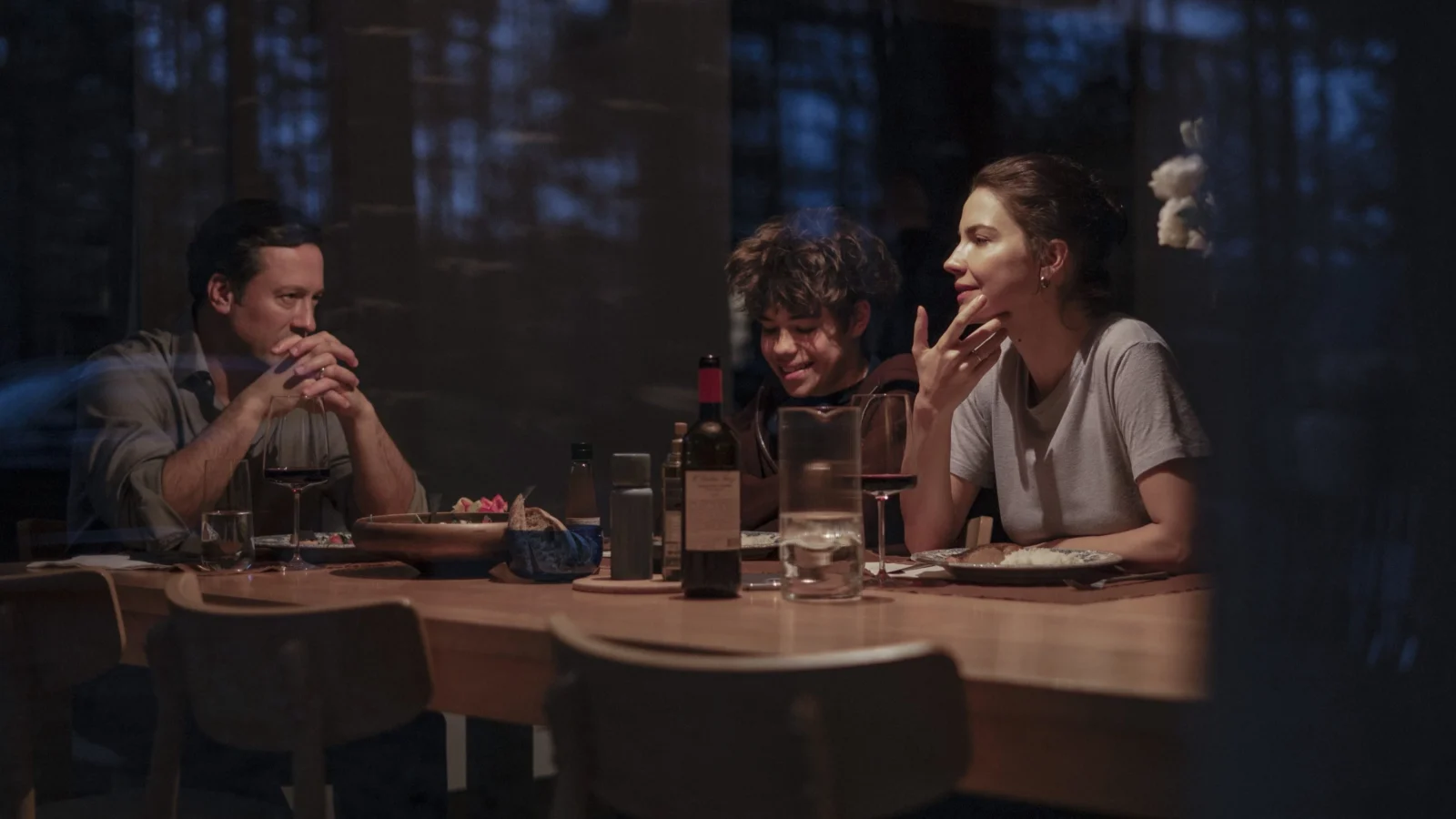
My review of Andrew Haigh’s *A Long Winter*, a beautifully crafted but dramatically conventional family drama set in Colorado and filmed in the Canadian Rockies. Starring Fred Hechinger, Caitríona Balfe, Ebon Moss-Bachrach, and Kit Connor, the film follows a young man searching for his missing mother as her absence exposes the emotional fractures within his family. André Turpin’s extraordinary cinematography transforms the snowy mountains into an expressive landscape of loneliness, memory, and longing. Yet despite its accomplished production, sensitive performances, and visual elegance, the film’s familiar narrative and overly insistent soundtrack prevent it from achieving the emotional intensity its setting promises.

Enjoyed this review? Share it with others.

Continue Reading →

TIFF26′ Possible Love: Rich in Themes, but Struggling to Build Dramatic Momentum

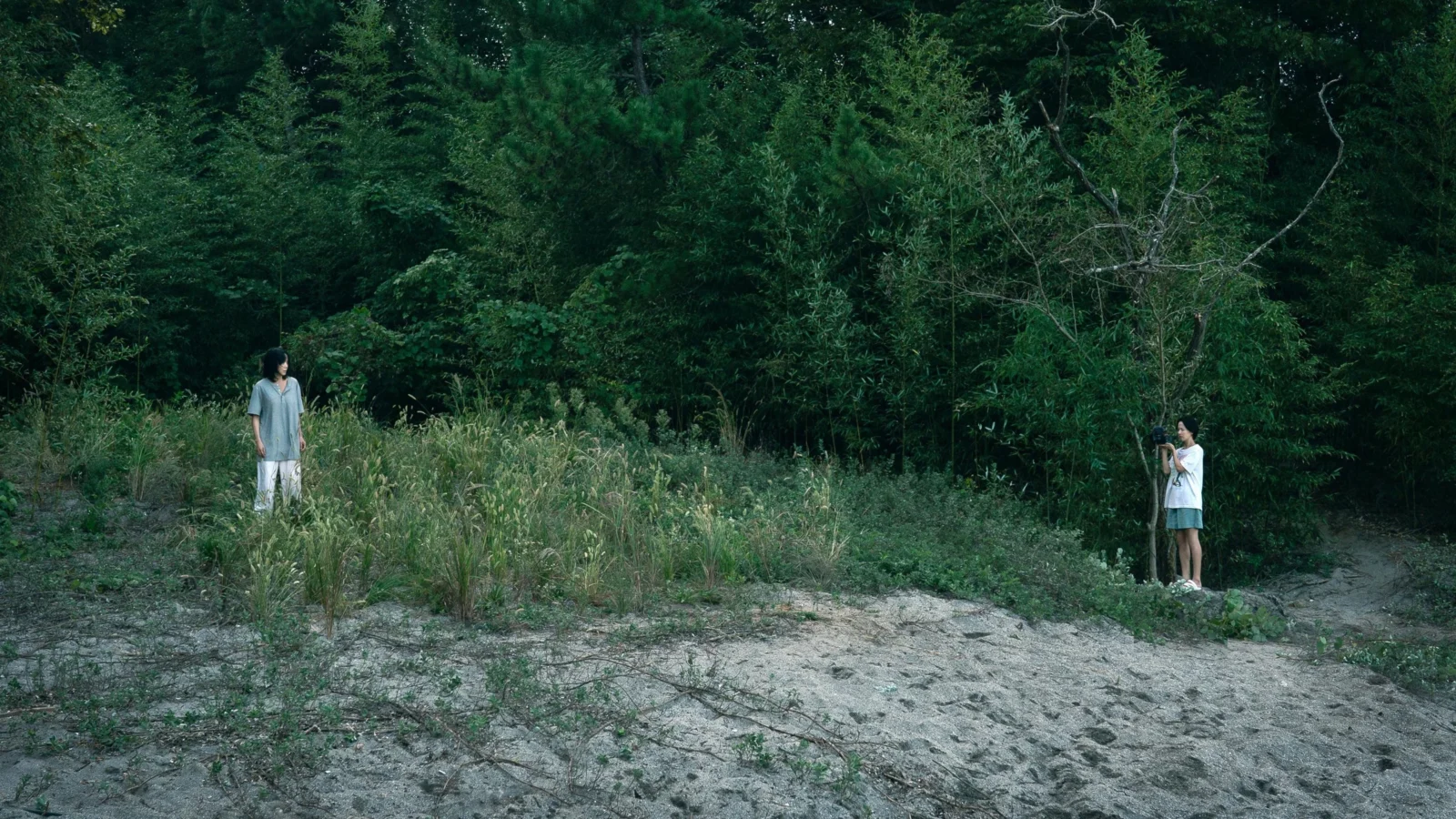
Written and directed by Lee Chang-dong, Possible Love contains many of the elements of a potentially fascinating film: class, marriage, labour conflict, trauma, envy, grief, and the uneasy relationship between private pain and public representation. Its central setup is strong. Ho-seok (Sul Kyung-gu) and Mi-ok (Jeon Do-yeon) are trying to move on from the trauma of a disastrous labour dispute when they are approached by Ye-ji (Cho Yeo-jeong), an ambitious and rich documentary filmmaker whose project gradually draws them into the orbit of her and her wealthy husband, Sang-woo (Zo In-sung).

Enjoyed this review? Share it with others.

Continue Reading →

TIFF26′ The Man I Love: Rehearsing Art While Life Refuses to Repeat Itself

The film’s most interesting idea is the role of rehearsal itself. The actors repeat scenes, gestures, lines, and emotional beats, constantly trying to refine them and get closer to something more truthful. Outside the theatre, however, life offers no such possibility. It cannot be repeated, corrected, or perfected. That contrast becomes particularly powerful through the film’s main character, Jimmy George, played by Rami Malek, who is living with AIDS and for whom the play may represent one of his final experiences on stage. Rehearsal therefore acquires a different emotional weight: it is no longer simply about perfecting a performance, but about time, mortality, and the desire to hold on to something that is already slipping away.

Enjoyed this review? Share it with others.

Continue Reading →

TIFF26′ La Bola Negra: A Visually Ambitious Queer History Still Trapped in Familiar Tragedy

My review of Javier Calvo and Javier Ambrossi’s *La Bola Negra*, a visually audacious Spanish film exploring nearly a century of queer history through poetry, theatre, cinema, and cultural memory. Its elaborate mise-en-scène and ambitious structure create a powerful tribute to generations whose lives and desires were shaped by repression and silence. Yet the film’s fragmented storytelling sometimes undermines its emotional impact, while its representation of homosexuality remains largely confined to suffering and tragedy. Despite its impressive artistic achievements and enthusiastic reception at TIFF 2026, *La Bola Negra* is a film I admire more for how it tells its story than for the story it ultimately chooses to tell.

Enjoyed this review? Share it with others.

Continue Reading →

TIFF26′ Short Cuts: Six Brief Encounters with Desire, Motherhood, Absurdity, Violence, and Memory

by Hudson Moura TIFF’s Short Cuts 2026 Programme 01 brings together six films that are very different in tone and form, but…

Enjoyed this review? Share it with others.

Continue Reading →

TIFF26′ Bitter Christmas: Almodóvar Turns Autofiction Into a Seductive Ethical Puzzle

Written and directed by Pedro Almodóvar, Bitter Christmas unfolds across two temporal planes, 2004 and 2026, and develops one of the filmmaker’s most self-reflexive ideas: the way writers and directors transform the lives of people around them into fiction. The film follows two filmmakers whose creative processes become entangled with grief, love, ambition, and the ethical dangers of artistic appropriation.

Enjoyed this review? Share it with others.

Continue Reading →

TIFF26′ On Behalf of My Son: Grief, Guilt, and the Impossible Gesture of Asking Forgiveness

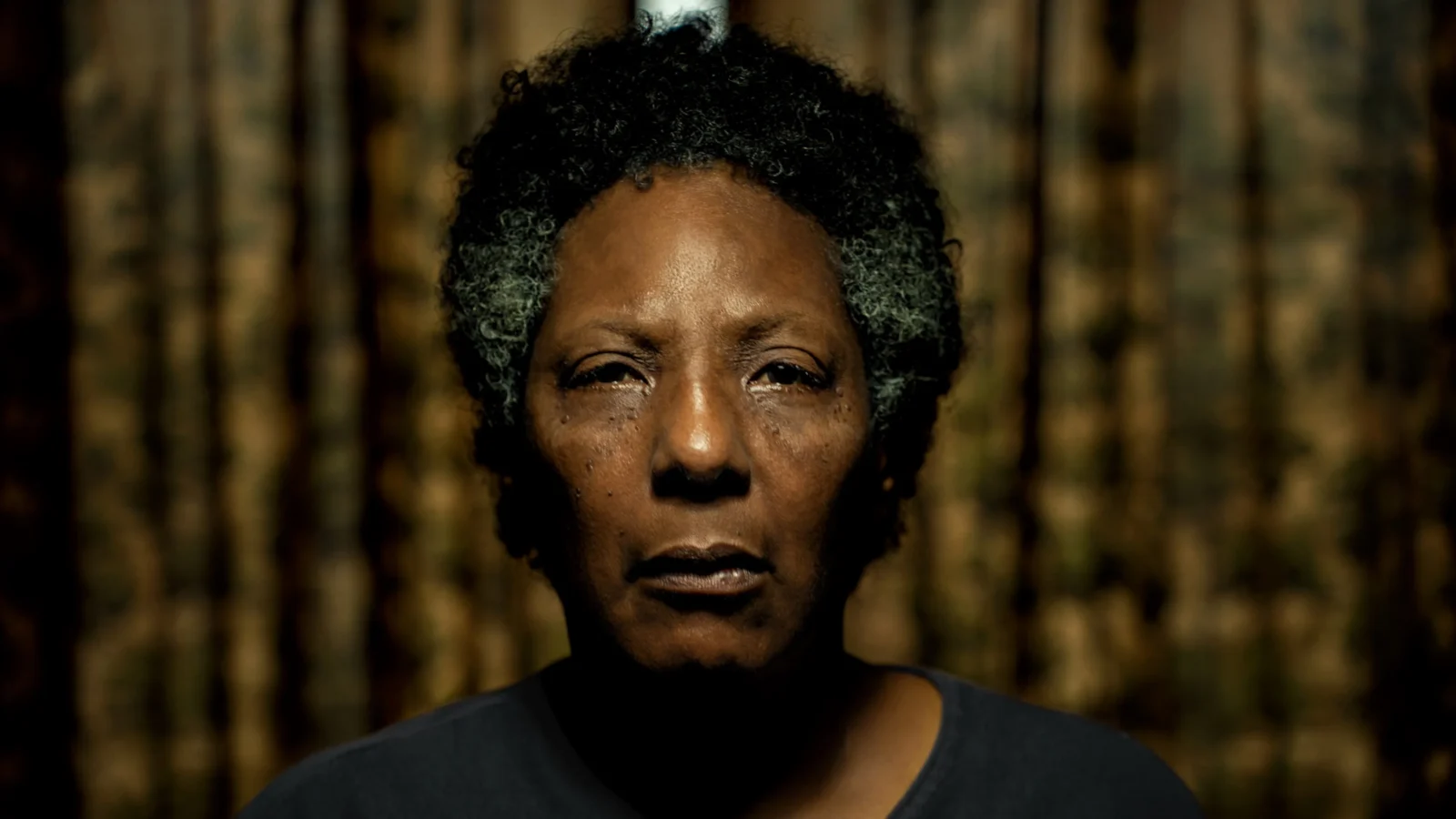
My review of Gabriel Martins’ *On Behalf of My Son* (*Vicentina Pede Desculpas*), an extraordinarily moving Brazilian drama about grief, responsibility, and the limits of forgiveness. Featuring a remarkable performance by Rejane Faria, the film follows a mother who travels across the city to apologize to families devastated by her son’s actions. Through intimate encounters, restrained performances, and a striking contrast between urban noise and personal suffering, Martins creates a powerful meditation on guilt, human connection, and the impossibility of repairing certain tragedies. Premiering at TIFF 2026, the film transforms the simple act of asking forgiveness into an emotionally profound cinematic experience.

Enjoyed this review? Share it with others.

Continue Reading →

TIFF26′ L’autre: A Visceral First-Person Hospital Experience

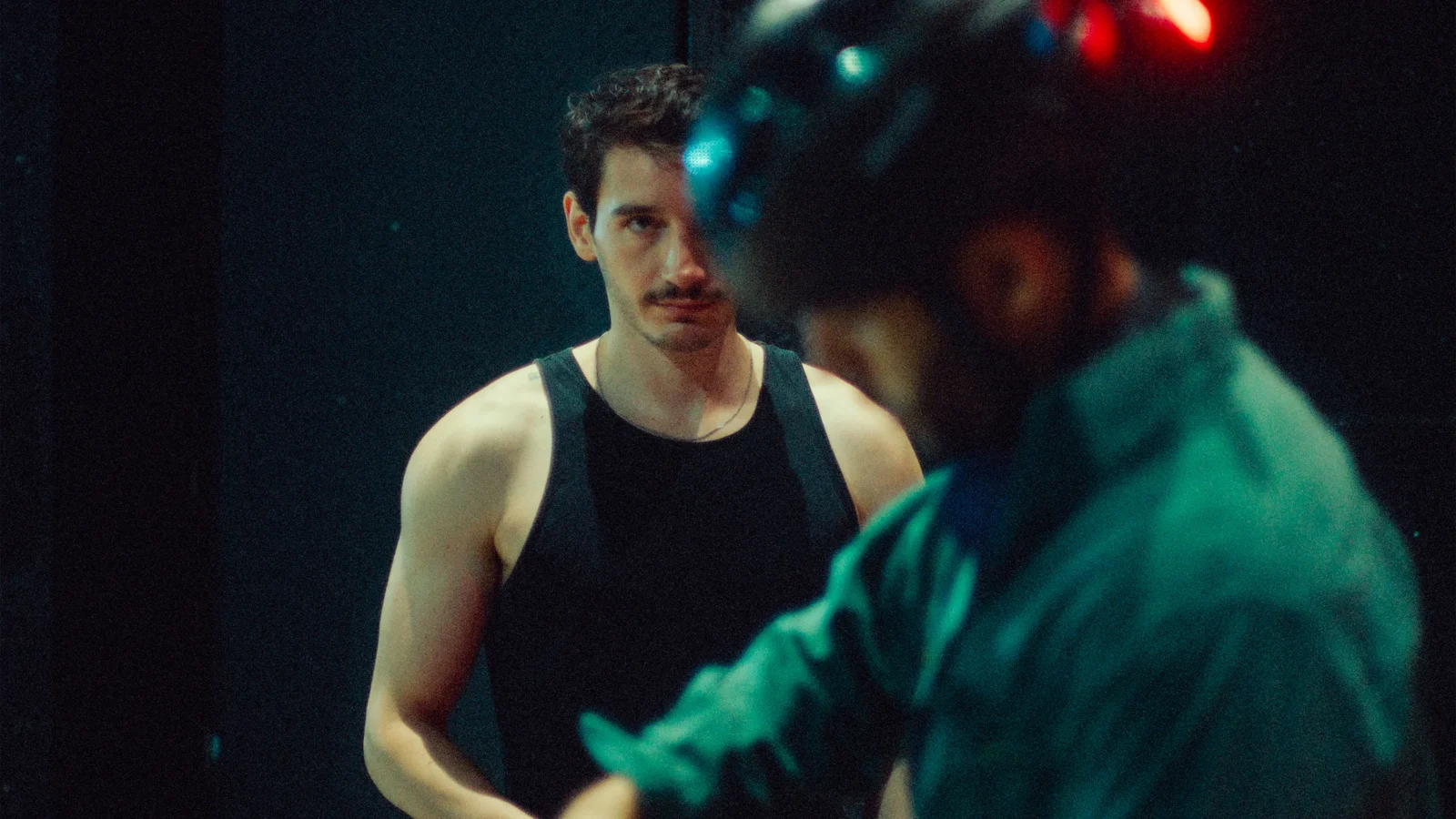
The film’s strongest decision is to remain almost completely attached to Stan’s point of view. Rather than approaching the hospital through doctors or medical staff, as so many medical dramas do, L’autre stays with the patient’s unstable perception, shaped by a confusing mixture of fear, pain, medication, vulnerability, and anxiety. Stan is immobilized, heavily medicated, struggling to adapt to his prosthesis, and gradually becoming less certain about what is happening around him. Morphine, nightmares, hallucinations, and physical suffering begin to distort his perception, making the hospital itself increasingly difficult to read.

Enjoyed this review? Share it with others.

Continue Reading →

TIFF26′ Elsinore: Choosing Life in the Shadow of Death

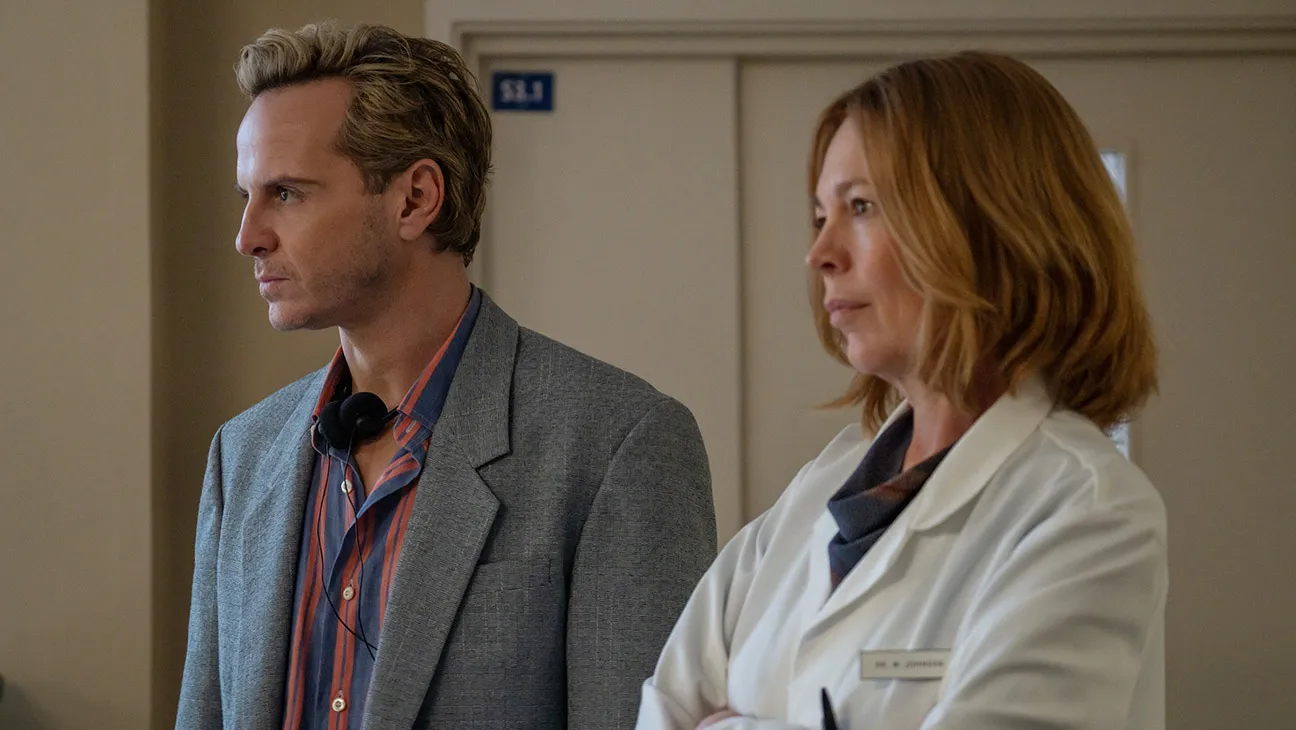
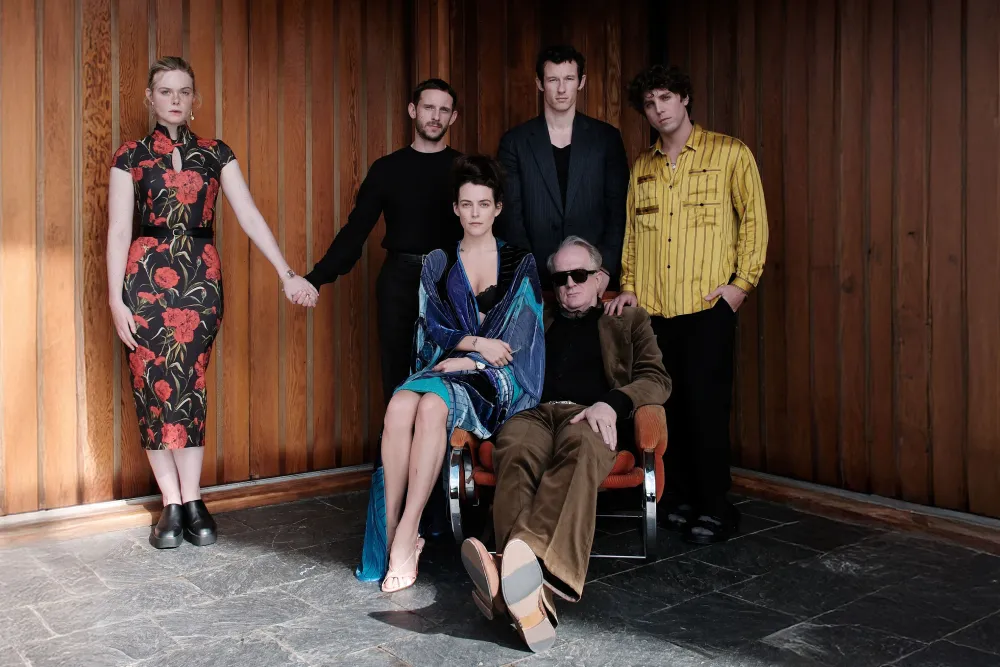
My review of Simon Stone’s *Elsinore*, one of the most moving films at TIFF 2026, featuring an extraordinary performance by Andrew Scott as Scottish actor Ian Charleson. Facing the final stages of AIDS, Charleson chooses to perform Hamlet rather than allow illness to define his remaining life. Combining humour, theatrical camaraderie, queer history, and emotional restraint, the film explores artistic creation as an affirmation of existence. With an outstanding ensemble, including Olivia Colman, *Elsinore* offers a profoundly human portrayal of mortality that celebrates life without diminishing the tragedy of the AIDS epidemic.

Enjoyed this review? Share it with others.

Continue Reading →

TIFF26′ Glaxo: When Fragmentation Obscures History and Desire

Glaxo attempts to connect youth, friendship, desire, betrayal, revenge, and political violence across different periods of Argentine history. The problem is that these elements never completely cohere. The fragmentation that structures the film makes it difficult not only to follow certain motivations but also to understand exactly what kind of dramatic relationship the film wants to establish between its intimate story and its political background.

Enjoyed this review? Share it with others.

Continue Reading →

TIFF26′ Fjord: Intolerance, Beliefs, and the Cold Machinery of Social Judgment

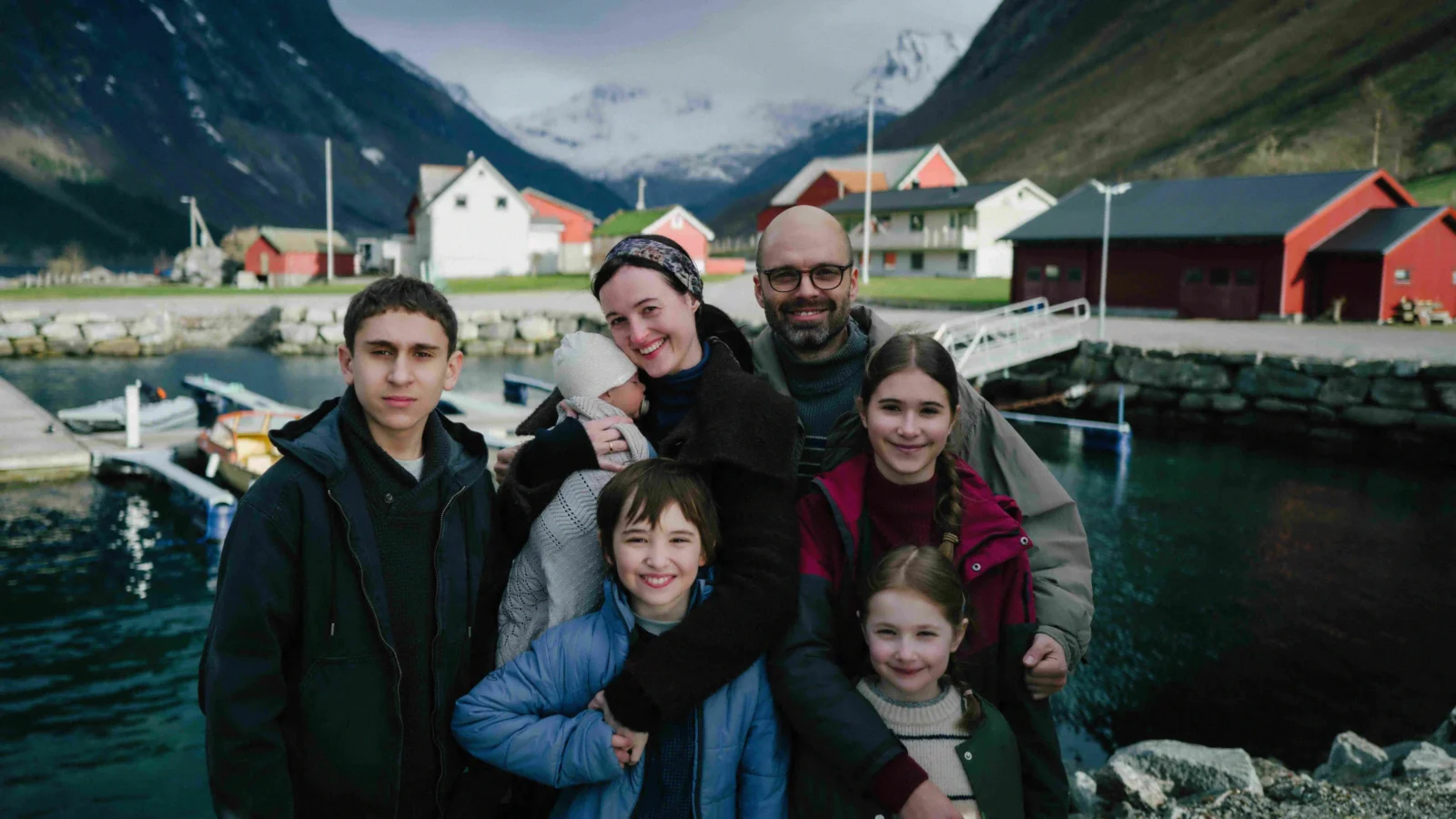
My review of Cristian Mungiu’s *Fjord*, a politically provocative and remarkably restrained drama starring Sebastian Stan and Renate Reinsve. Set in Norway, the film follows a Romanian-Norwegian family confronting child-protection authorities as religious beliefs, cultural traditions, and competing moral convictions collide. Through its deliberately observational style and procedural narrative, Mungiu examines the limits of tolerance in societies that consider themselves progressive, questioning how institutional authority can transform disagreement into exclusion. Intellectually challenging and emotionally restrained, *Fjord* refuses easy moral judgments, inviting audiences to confront the uncomfortable complexity of cultural differences, parental authority, and the necessity of dialogue.

Enjoyed this review? Share it with others.

Continue Reading →

Call My Agent! The Movie: Life After ASK, with the Same Delightful Chaos

My review of *Call My Agent! The Movie*, a delightful continuation of the internationally successful French series *Dix pour cent*. Five years after the original finale, the former ASK agents reunite in a new professional landscape, with Andréa (Camille Cottin) now confronting the chaos of filmmaking. Featuring familiar characters, outrageous celebrity appearances, and the series’ unmistakable humour, the movie successfully recaptures the charm of its wonderfully flawed protagonists. Rather than merely exploiting nostalgia or repeating old formulas, it gives these beloved characters new opportunities to collide, evolve, and remind us why their personal and professional disorder was always the heart of the series.

Enjoyed this review? Share it with others.

Continue Reading →

Drunken Noodles: Queer Desire Between Poetry, Fantasy, and Narrative Gaps

Drunken Noodles is therefore an intriguing but uneven film. At its best, Castro captures queer desire as something ephemeral, sensual, poetic, and imagined, moving between what is lived and what may only be fantasized. Unfortunately, the later segments never fully match the freshness, intimacy, and complexity of the film’s beginning.

Enjoyed this review? Share it with others.

Continue Reading →

TIFF26′ Minotaur: A Refined Russian Intimate Drama in the Shadow of War

With its precise compositions, controlled rhythm, and refusal of melodramatic excess, Minotaur is a remarkably cohesive film. Zvyagintsev uses a seemingly familiar story of marital suspicion to explore something far more intimate: how loneliness, affection, jealousy, and love persist even when the world around us appears to be coming apart. The war may shape the atmosphere, but the real battlefield remains emotional.

Enjoyed this review? Share it with others.

Continue Reading →

TIFF26′ Coward: A Profoundly Moving Love Story Behind the Front

The film is extraordinarily moving because it rarely gives the viewer emotional distance. The camera remains close to the characters, and the performances are remarkably strong: Emmanuel Macchia as Pierre and Valentin Campagne as Francis, who jointly received the Best Actor award at Cannes 2026, anchor the film with an intense and affecting chemistry. Around them, the story moves through a continuous series of emotional shifts—fear, tenderness, humour, desire, grief, and brief moments of freedom. The ensemble surrounding Pierre and Francis is especially effective, giving the world of the camp an intensity that often feels like a film within the film.

Enjoyed this review? Share it with others.

Continue Reading →

Rosebush Pruning: When Absurdity Overgrows the Family Drama

My review of Karim Aïnouz’s *Rosebush Pruning*, a visually elegant and provocatively absurd family drama written by Efthimis Filippou and inspired by Marco Bellocchio’s *Fists in the Pocket*. Set within an extraordinarily wealthy and dysfunctional family living in Spain, the film explores narcissism, sexual obsession, cruelty, inherited privilege, and the disturbing rituals that hold its members together. With striking cinematography and a deliberately grotesque sense of humour, Aïnouz creates a world in which eccentricity becomes ordinary. Yet the accumulation of bizarre behaviours sometimes overwhelms the dramatic substance, making the film more fascinating for its absurdity than for the characters inhabiting it.

Enjoyed this review? Share it with others.

Continue Reading →

Leviticus: A Powerful Horror of Repressed Desire

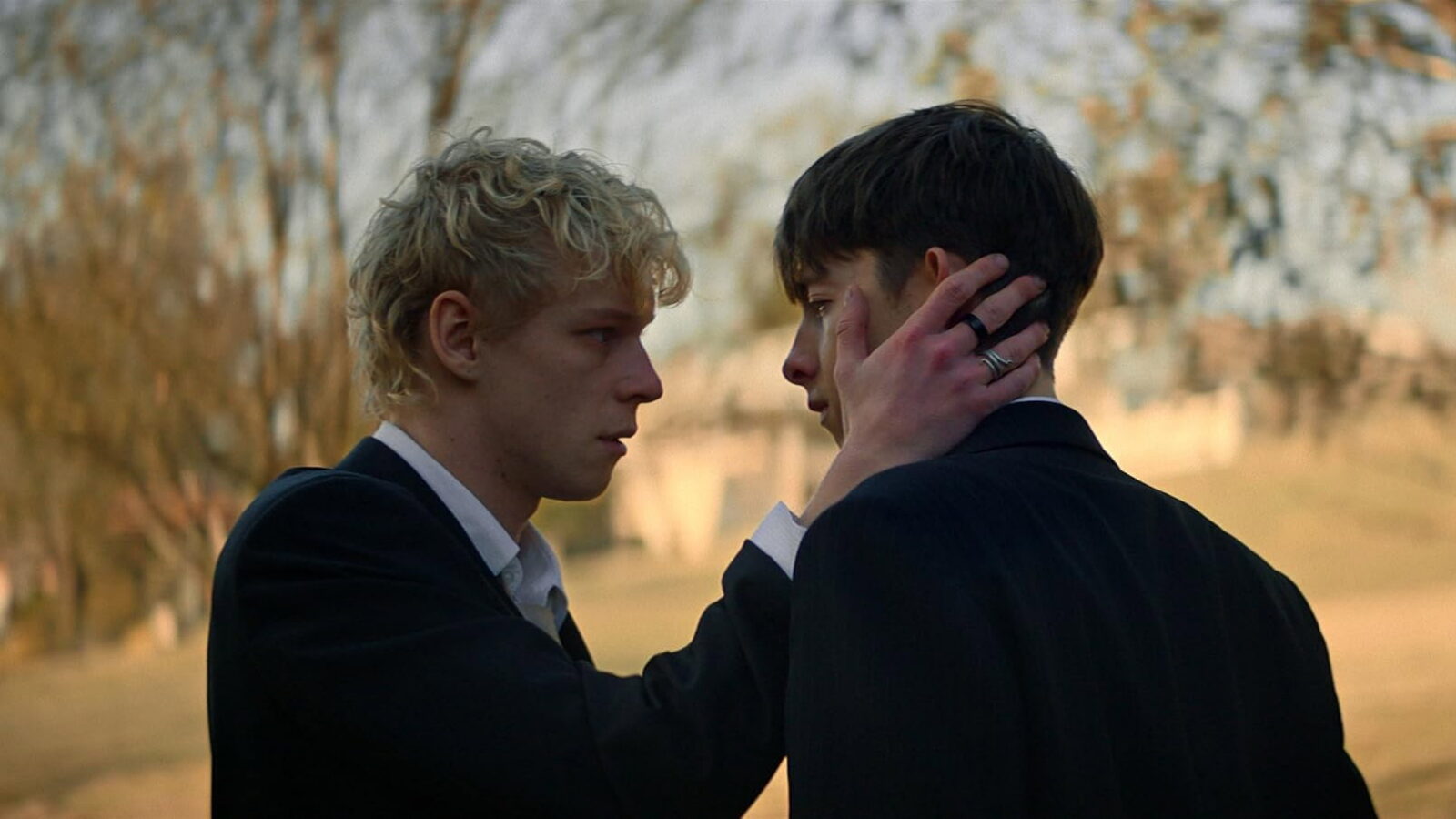
My review of Adrian Chiarella’s *Leviticus* (2026), a powerful Australian queer horror film that transforms religious repression, homophobia, and forbidden desire into a terrifying supernatural experience. Following two teenage boys pursued by an entity that assumes the appearance of those they desire most, the film explores how shame and social condemnation can turn intimacy into fear. More than a conventional horror story, *Leviticus* offers a disturbing and psychologically compelling examination of the consequences of internalized hatred and the belief that desire itself must be exorcised.

Enjoyed this review? Share it with others.

Continue Reading →

The Last House: A Family Drama Disguised as an Apocalyptic Thriller

Louis Leterrier’s The Last House begins with a simple but unsettling premise: one rainy day, houses suddenly become sealed, trapping everyone inside. No one can leave, and no one from outside can enter. The rain itself appears to be more than a natural phenomenon, because anything the inhabitants attempt to break—walls, windows, floors—is mysteriously restored to its original state. As the days pass, Wagner Moura’s family is forced to create new routines, ration supplies, and make increasingly difficult decisions while trying to understand what has happened to the world beyond their walls.

Enjoyed this review? Share it with others.

Continue Reading →

One Night Only: A Wildly Funny and Sexy Rom-Com

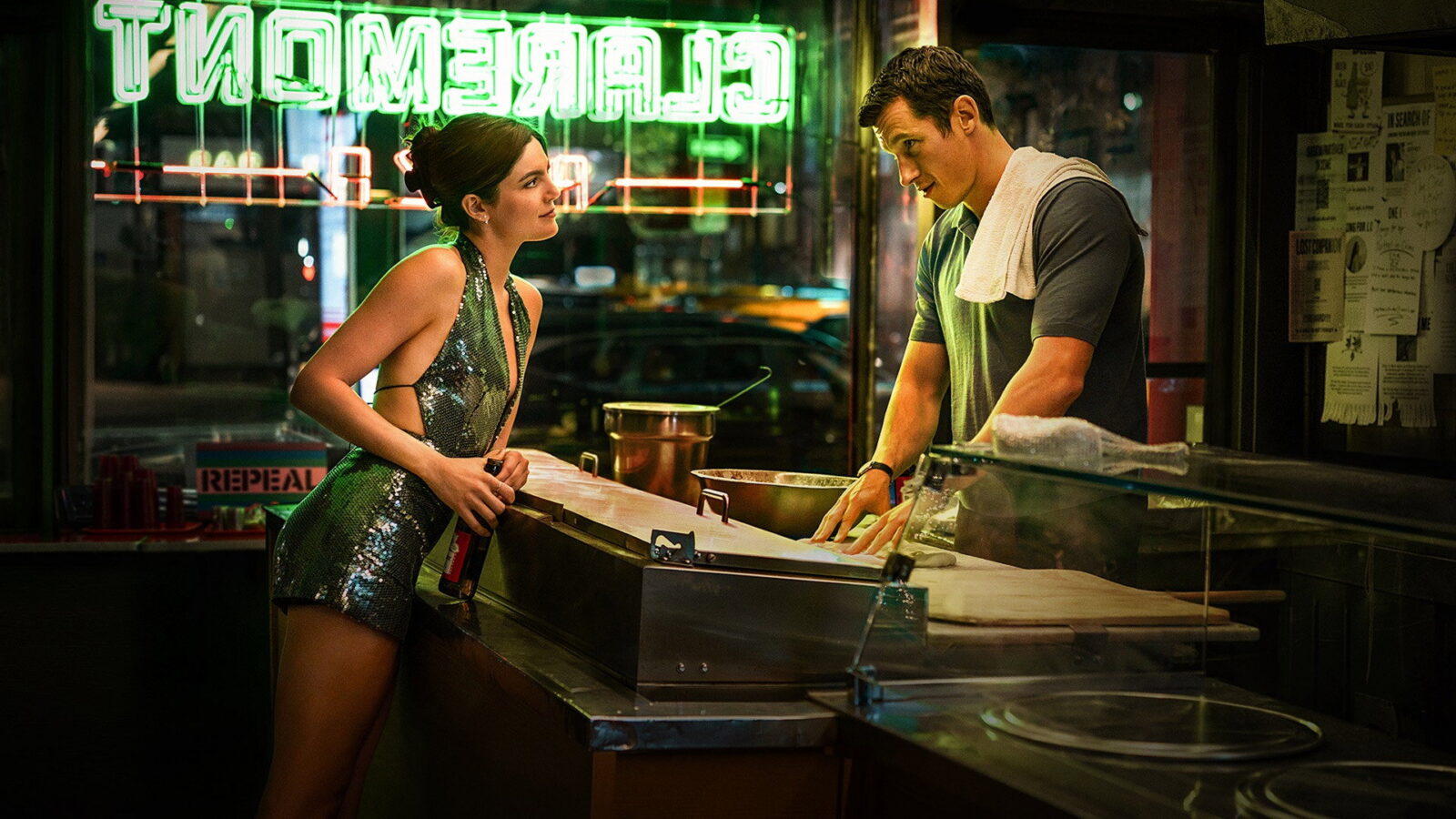
One Night Only may be one of the goofiest and most consistently funny romantic comedies in recent memory. Gluck embraces absurdity rather than trying to make the premise feel realistic, and the film benefits enormously from that choice. It is light, fast, playful, and genuinely entertaining, while Turner and Barbaro provide enough chemistry to keep the romance alive beneath the farce. Sometimes a title tells you everything you need to know—and One Night Only delivers exactly the wild, romantic, and very funny night it promises.

Enjoyed this review? Share it with others.

Continue Reading →

Streaming Summer Series: Crime, Action, Desire, and Dysfunction

Across four very different streaming series, action, crime, sexuality, violence, and institutional power collide with uneven results, from the efficient adrenaline of Elite Force (GIGN) to the squandered potential of Jogada de Risco, the disturbing moral darkness of Furious, and the unfocused erotic paranoia of The Shards.

Enjoyed this review? Share it with others.

Continue Reading →

Spider-Man: Brand New Day: More Romance Than Superhero Action

Spider-Man: Brand New Day pushes the franchise further away from the traditional superhero spectacle and toward something lighter, younger, and more openly shaped by teenage identity, romance, and self-acceptance. The familiar idea that “with great power comes great responsibility” remains present, but here it is filtered through a story about difference, control, and the pressure to define who you are in relation to institutions that claim to protect society while also seeking to regulate those who do not fit within its norms.

Enjoyed this review? Share it with others.

Continue Reading →