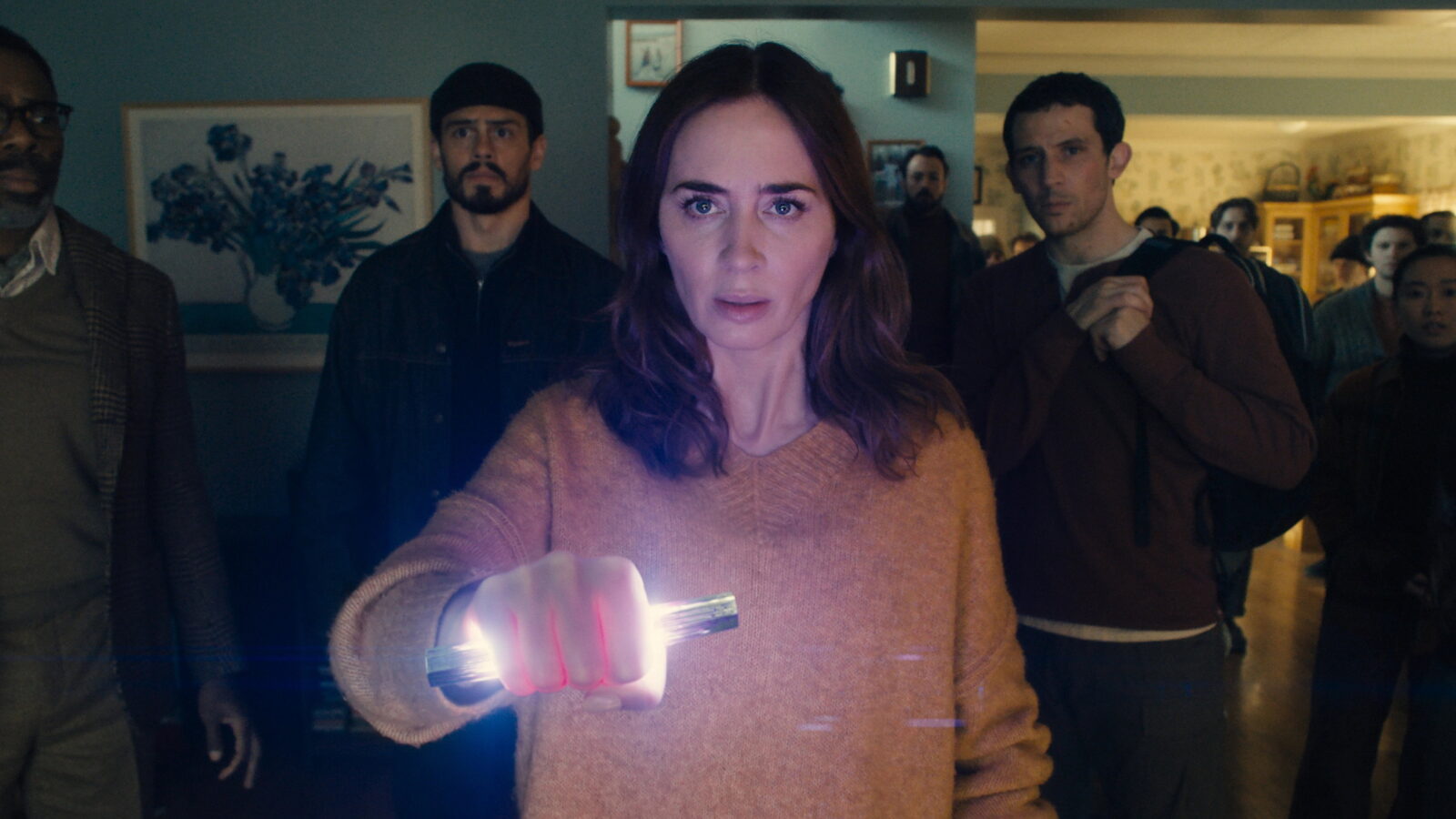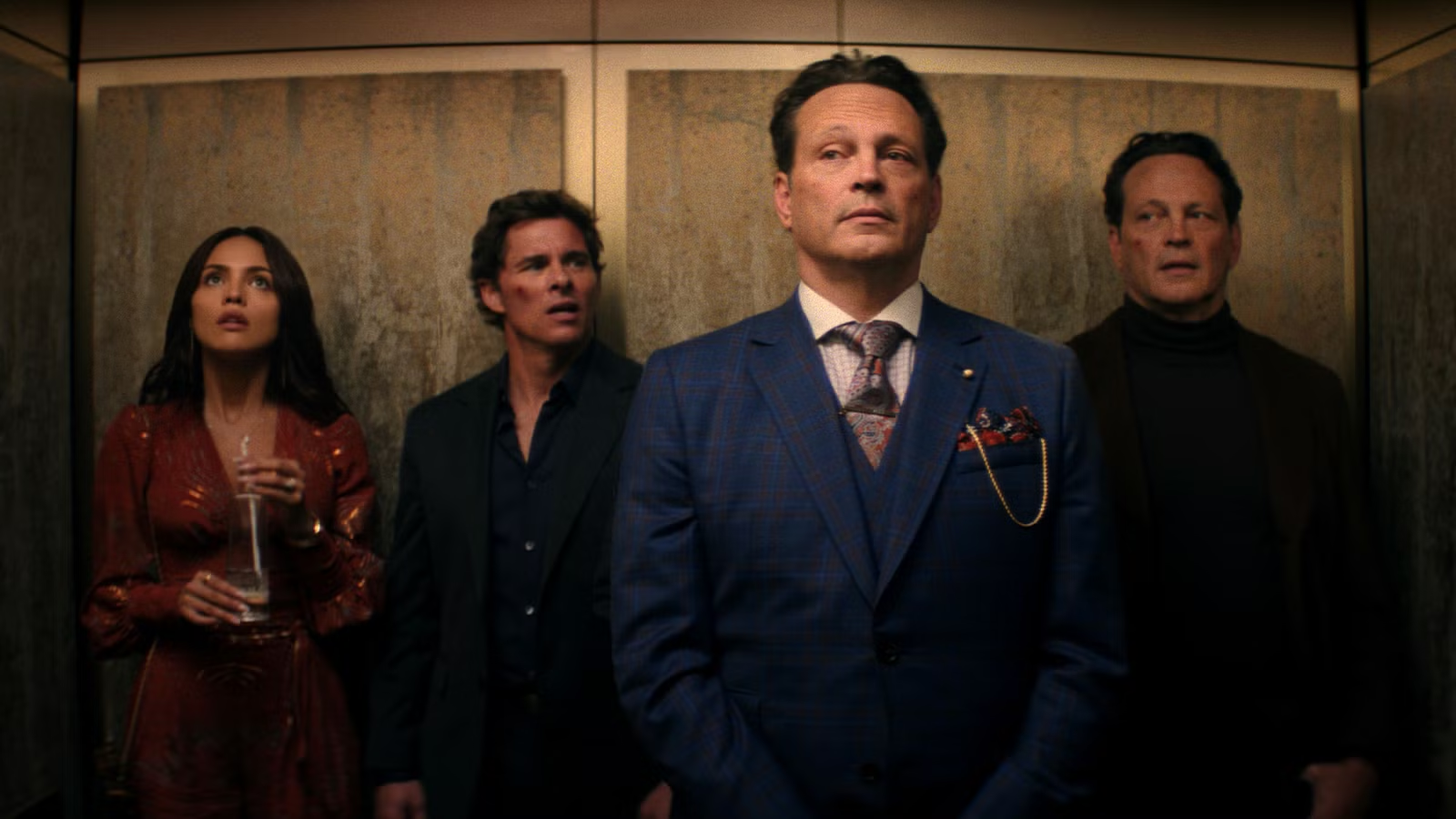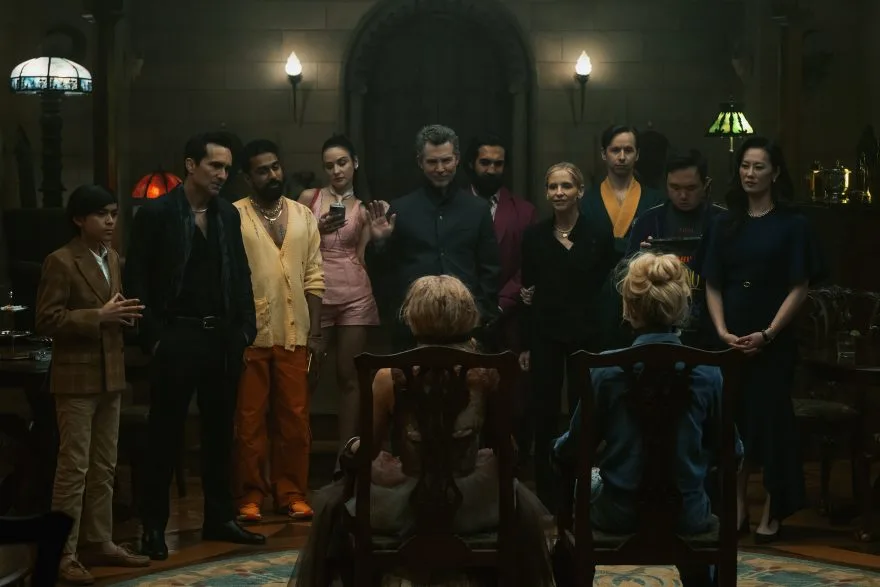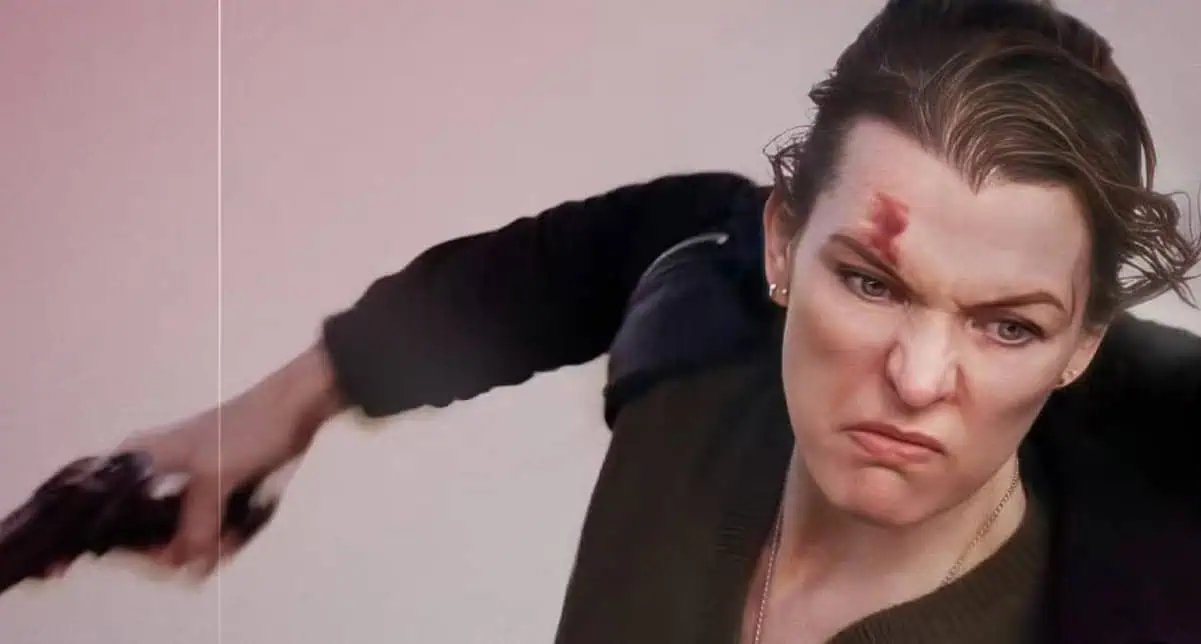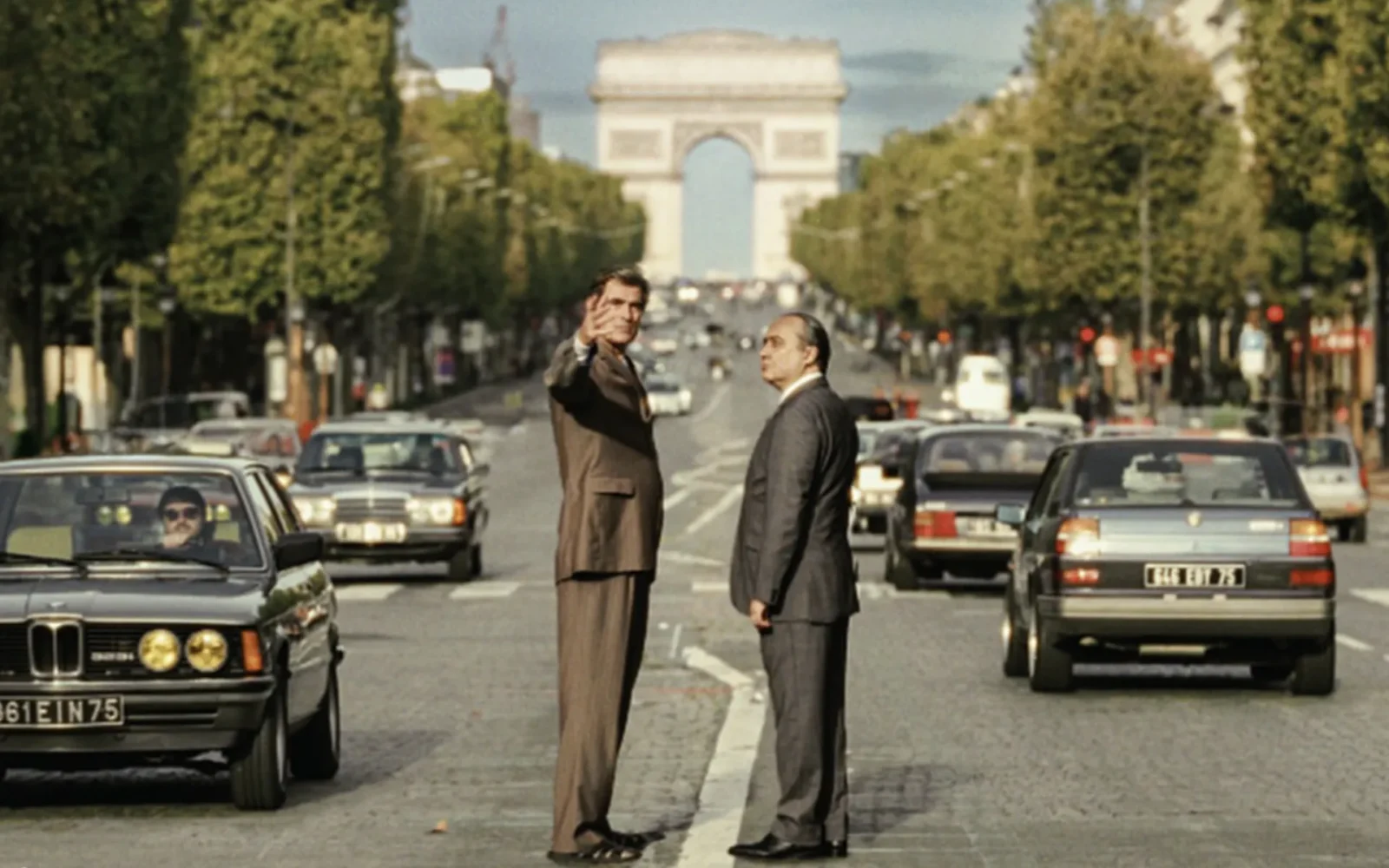
This week’s two new releases, Timur Bekmambetov’s Mercy and Sam Raimi’s Send Help, approach contemporary genre cinema through two familiar infrastructures of suspense: the tribunal and the survival scenario. Let me be clear, I am a huge fan of both directors! However, both films announce high-concept premises—one grounded in algorithmic justice, the other in workplace humiliation transposed into a desert-tropical-island revenge fantasy—yet each also reveals how quickly an appealing hook can be constrained by formula.
Perfectly a Strangeness (Alison McAlpine) and The girl who cried pearls (Chris Lavis & Maciek Szczerbowski) arrive to the 2026 Oscar conversation not by converging on a shared aesthetic program, but by staging two different propositions about cinema’s relation to knowledge. Taken together, these shorts suggest a productive polarity in contemporary Canadian screen culture: the documentary that becomes essay, and the fable that becomes ethics.
François Ozon opens The Stranger with the shock of Camus’s first confession—“J’ai tué un Arabe”—and then rewinds to the mother’s death, the wake, and the day that will become evidence.
Wonder Man intrigues more through its intention (shifting Marvel toward industry satire and social comedy) than through its execution at this stage: too slow, too scattered, and still lacking the center of gravity its title announces.
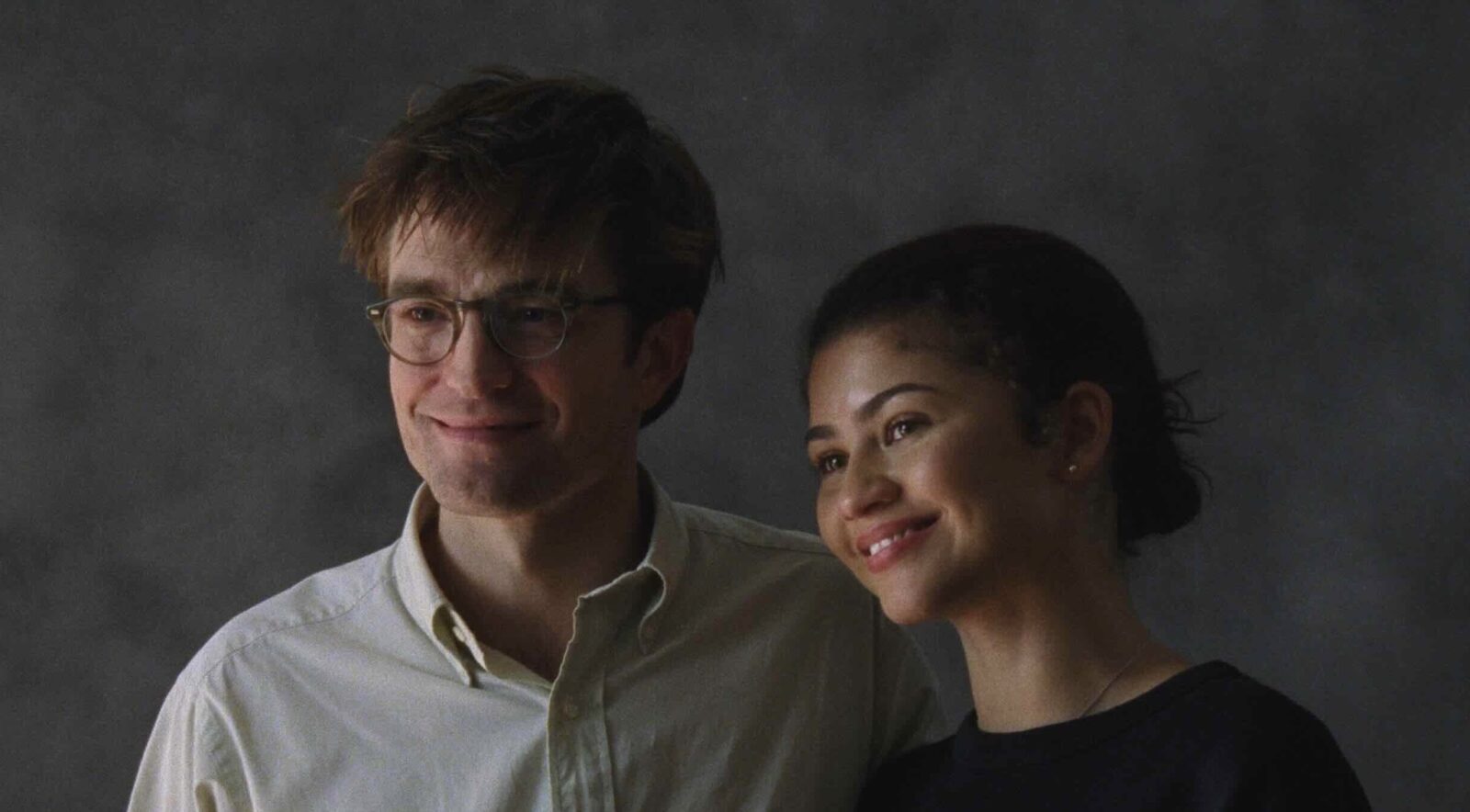
The film’s cinematography is its first decisive argument: the images are superbly calibrated to evoke the texture and tonal register associated with the French New Wave, not simply as pastiche but as a sustained aesthetic environment. The result is strikingly persuasive—so persuasive, in fact, that the viewing experience raises a central question the film itself seems to invite: is this an homage, or a quasi-ethnographic observation of an artistic “tribe,” and, if so, to what end?
Shannon favors clarity over flourish. The camera locates the game’s architecture—spacing, rotations, the small communications that make a set play work—alongside conversational scenes that index intergenerational memory and the persistence of trauma (Indian Residential Schools). Archival gestures (photos, local broadcasts, news clippings) are woven lightly rather than didactically; ambient sound from gyms and shorelines keeps the film rooted in place. The result is an ecology of images: country, community, and court read as one continuous field.
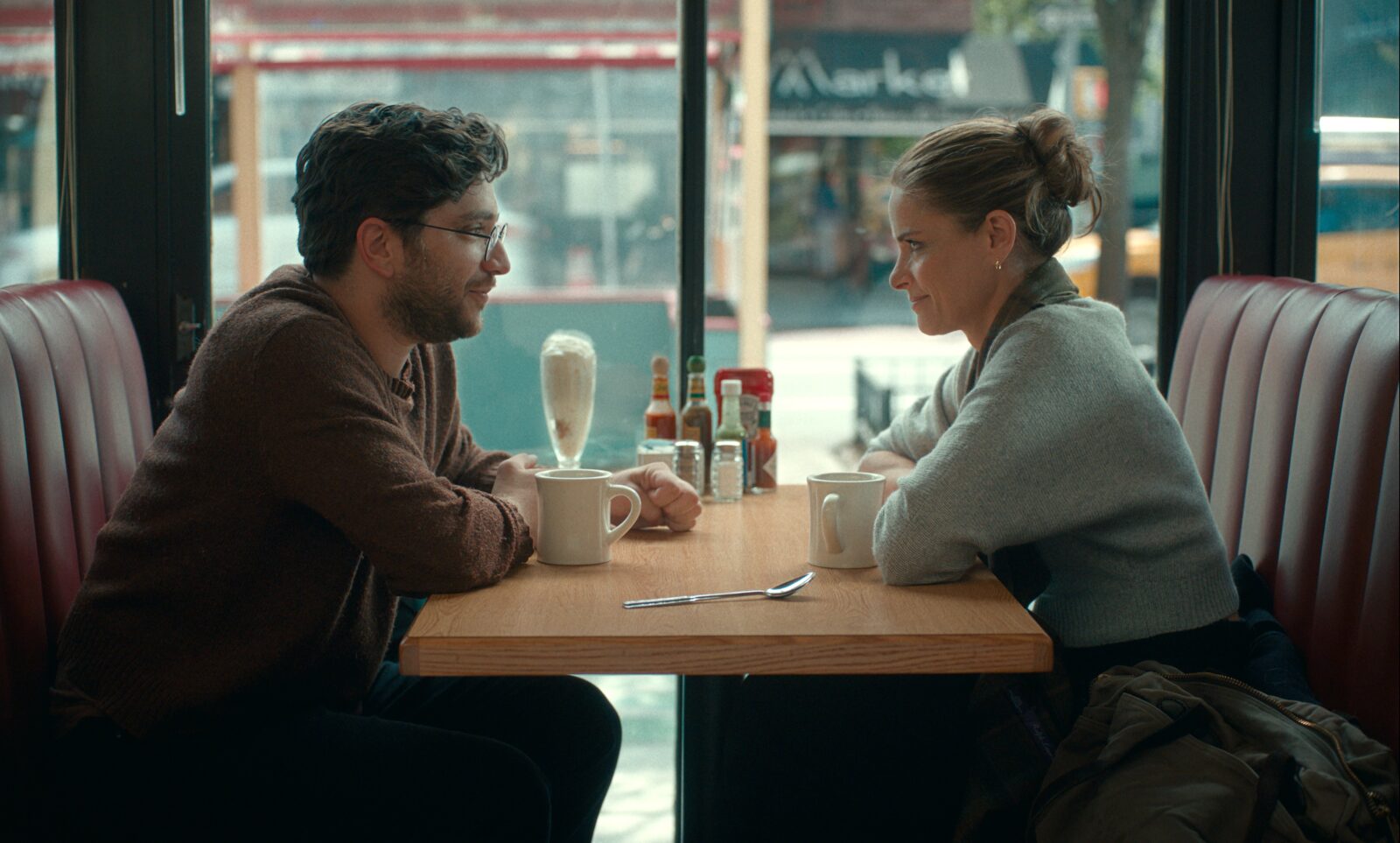
Bader and Blyth have easy, credible chemistry—the film’s chief asset—and the travelogue structure proves a smart adaptation choice. Instead of a single melodramatic rupture, we get a collage of small decisions (missed cabs, bad rentals, inside jokes) that shows how affection actually accumulates.
by Hudson Moura Father Mother Sister Brother—written and directed by Jim Jarmusch—embraces a deliberately raw, unadorned approach: a triptych of…
by Hudson Moura Jay Kelly (dir. Noah Baumbach) is most compelling when it treats its central Hollywood story as something slightly displaced—refracted…
The film moves with the measured tempo of a stage play—scenes arranged as chambers for voice, silence, and recollection—and proposes a simple but resonant thesis: sound is invisible yet physical; it touches us, and we touch it, as surely as breath troubles air.
by Hudson Moura Avatar: Fire and Ash shifts the series in a direction that’s both bold and uneasy. For two films,…
James L. Brooks returns to his home terrain—the workplace comedy of manners—and Ella McCay fits squarely in that lineage: quick, unshowy dialogue; ethical stakes embedded in institutional routine; an empathic camera for professionals negotiating ideals and pragmatism.
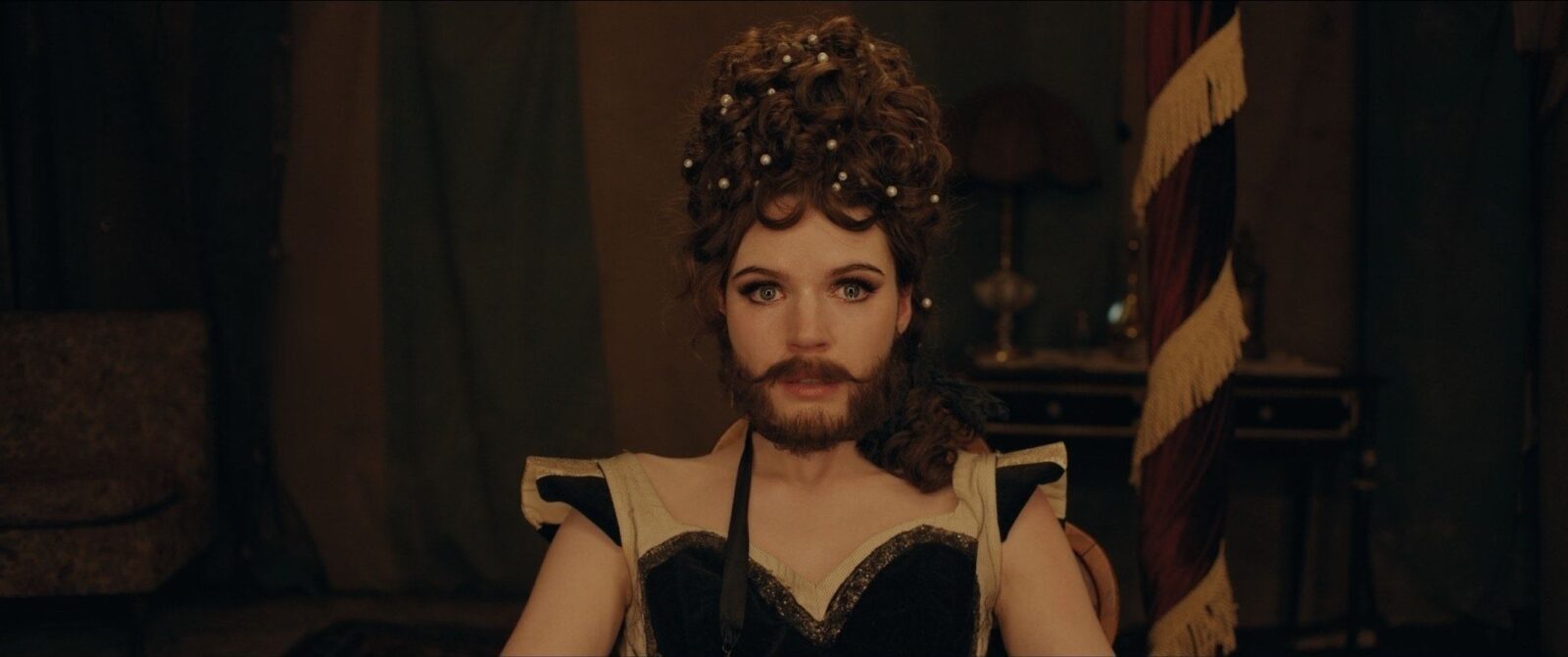
Fuller leans into a dioramic mise en scène, with meticulous color palettes, centered compositions, and handmade textures that recall Wes Anderson’s storybook control, Jean-Pierre Jeunet’s craft, and Michel Gondry’s tactile whimsy. Performance anchors the collage. Sloan gives Aurora a poised, unsettling watchfulness—both little girl and budding dramaturge of her own world—a revelatory performance. Mikkelsen plays the neighbor as a near-silent vector of violence whose competence edges, gradually, toward care. He’s a dark mirror of the “protector” Aurora craves. Sigourney Weaver is a mordant delight as a curt “madame” of contract killers, a queenpin who organizes death like a cotillion and steals every scene with a raised eyebrow.
Set in a Maison Maternelle, Jeunes Mères follows four interwoven stories of pregnant adolescents and very young mothers—Vanessa, Perla, Ariane, and Julie—balancing attachment, abandonment, and precarious responsibility. Eschewing cathartic payoffs, the Dardennes’ handheld realism traces everyday acts of solidarity and strain within cramped institutional spaces, where love, volatility, and structural pressures (absent fathers, addiction, poverty) collide. The result is an unsentimental, ethically attentive portrait of adolescent motherhood as ongoing labor rather than melodrama.
Algiers is a lean, earnest entry in the docu-procedural mode: formally assured in its urban cinematography and temporal pressure, intermittently hampered by thinly drawn character motives and genre clichés. When it trusts its spaces and its competing epistemologies—Sami’s force, Dounia’s analysis—it approaches something urgent. When it leans on familiar confrontations without clarifying their stakes, it wobbles. Even so, the film leaves a residue of hard questions about collaboration, gendered authority, and the civic cost of speed, which linger long after the countdown stops.
Freyne’s Eternity imagines the afterlife as a one-week junction where Joan must choose between Larry—the ordinary life built over sixty-five years (the “beach”)—and Luke—the preserved intensity of first love (the “mountain”). Guided by mordantly comic coordinators and a cinema-museum that screens her past, the film hovers between drama and comedy, sometimes diffusing its moral clarity amid a catalog of whimsical “worlds.” Yet, by reframing Casablanca’s duty-versus-desire calculus as self-authorship rather than geopolitics, it locates a quiet grace: eternity becomes not reward but the age, mood, and truth one is willing to inhabit, asking whether we choose the life we imagined or the life we faithfully lived.
Predator: Badlands recenters the franchise on Yautja subjectivity, opening with an opaque, hyper-Darwinian filicide that gestures toward myth and ethology but leaves the political and emotional stakes underdeveloped. Exiled to Genna—a lab-like killing ground—Dek’s arc gains momentum through his bond with Thia, a half-bodied synthetic whose wit, care, and tactical acumen reframe survival as collaboration; their alliance is complicated by her concealed mandate and a corporate clone-sister, Tessa, crystallizing the series’ critique of biopolitical engineering. Trachtenberg delivers vivid landscapes and kinetic set-pieces, yet the clan tragedy feels rushed and thematically thin. Most compelling is the film’s inversion of moral coordinates—the most “human” is a damaged robot, the most ethical hunter an alien—even as the franchise’s core mystique erodes: the Predator becomes a tender, emotionally legible hero, and the techno-sublime arsenal is traded for natural materials and animal allies, yielding a thoughtful but demystified, almost artisanal survivalism.
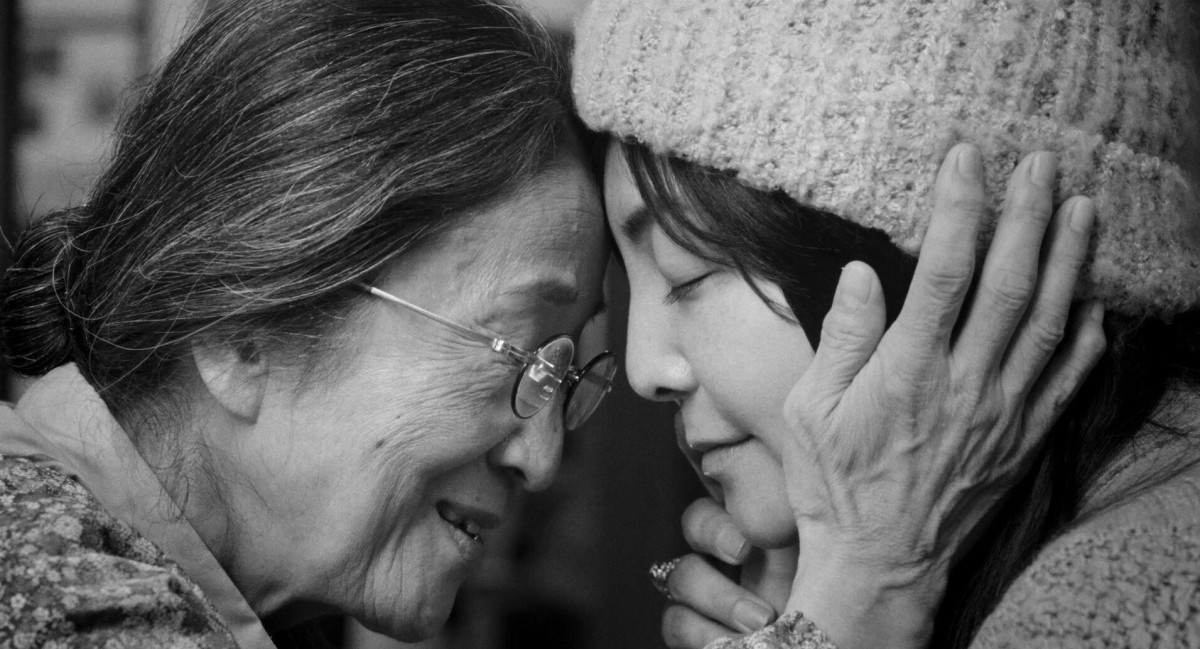
Léa Pool’s We’ll Find Happiness (On Sera Heureux) follows Reza and Saad, queer lovers and asylum seekers whose love story is literally put on trial by Canada’s refugee system, forcing them to expose, edit, or weaponize their intimacy to survive. The film is at its strongest when it shows the brutal absurdity of having to “prove” one’s sexuality to bureaucrats and traces the precarious journey through camps, borders, and administrative suspicion. But it leans heavily into melodrama and symbolic burden…
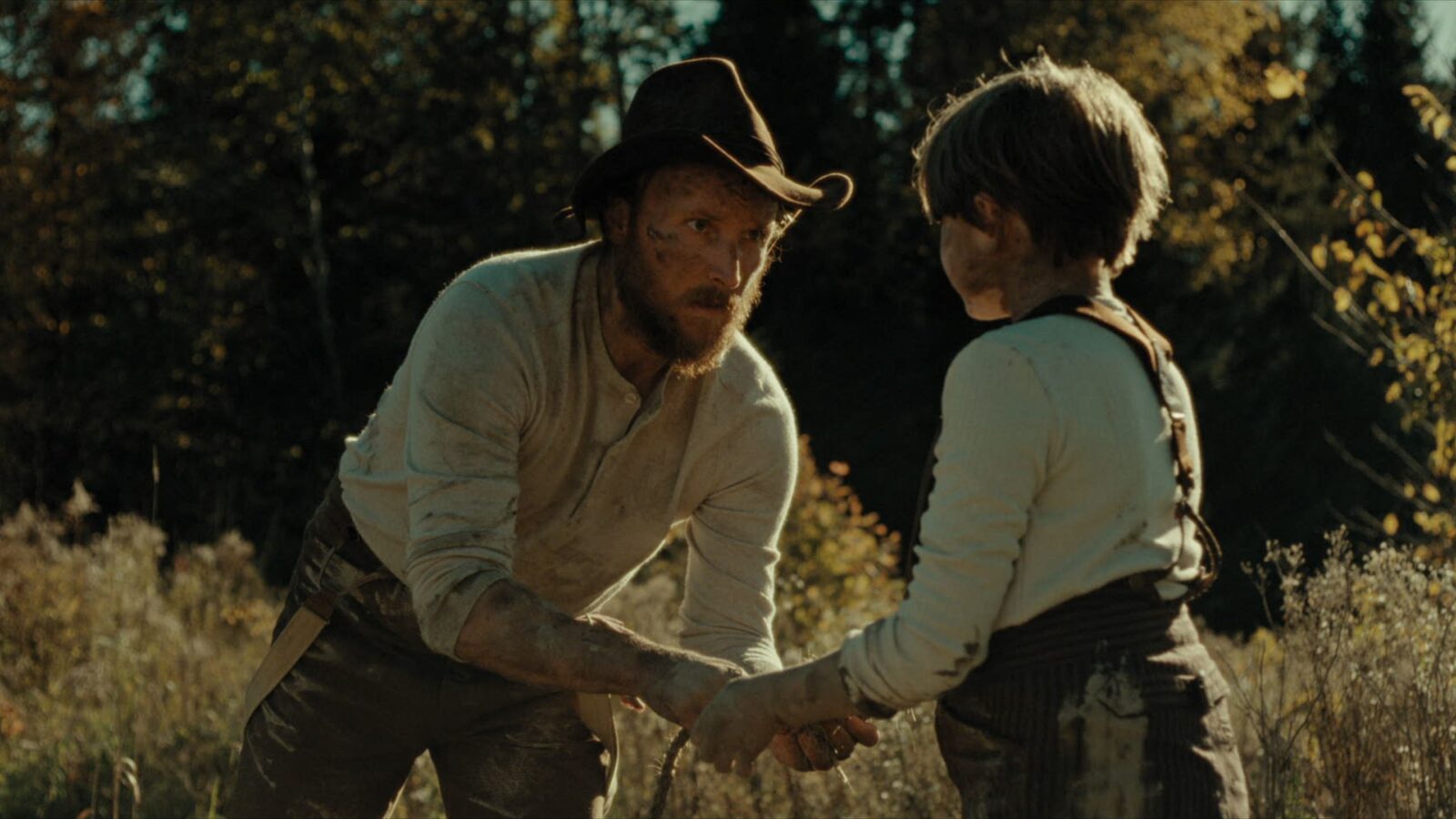
Before anything else, a clear warning: No Chains, No Masters contains repeated, graphic, and prolonged scenes of violence against Black bodies—whippings, branding, muzzling, animal-like treatment, executions—shown in close detail and with very little respite. For Afro-descendant viewers, especially those already carrying inherited or lived trauma around slavery and anti-Black violence, this is not a neutral “history lesson”: it can be overwhelming, triggering, and, at times, feels closer to an unbroken spectacle of suffering than to a space for mourning, resistance, or complex remembrance.
by Hudson Moura Dominik Moll’s Case 137 (Dossier 137) is not “about” the Gilets Jaunes so much as it is…
In The Thieving Magpie, Robert Guédiguian returns to his Marseille family—Ariane Ascaride, Jean-Pierre Darroussin, the working-class apartments and port-side streets—but knots them into one of his sharpest moral dilemmas. Maria, an overworked home-care aide with a good heart and an empty wallet, quietly steals small sums from the elderly people she tends in order to support her grandson, just as her daughter falls in love with the son of one of her clients.