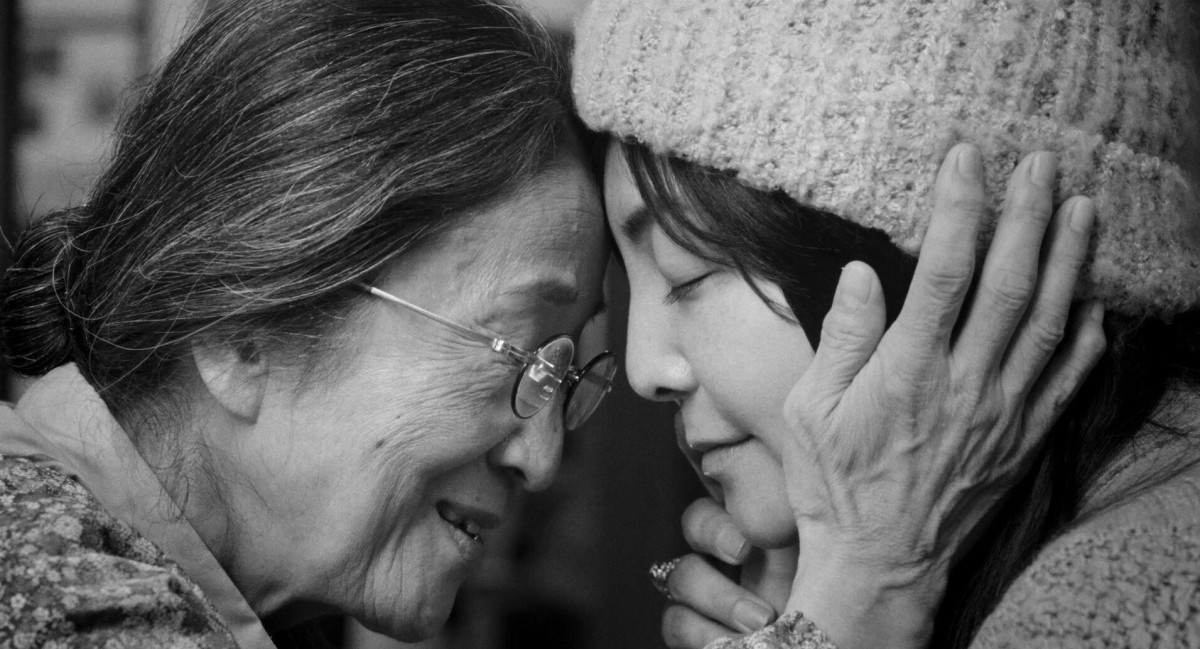
Akashi is an imperfect but sincere and thoughtfully directed film. Its exploration of mourning, family memory, and first love contains genuine emotional weight, while its visual treatment of time through colour and monochrome gives the story a distinctive texture. The direction shows sensitivity, and the Japanese cast brings depth, restraint, and authenticity to the film’s most affecting moments. Although the screenplay leans too heavily on dialogue and Mayumi Yoshida’s casting as Kana creates some distance within the film’s emotional world, Akashi still emerges as a work of recognizable delicacy and earnestness.
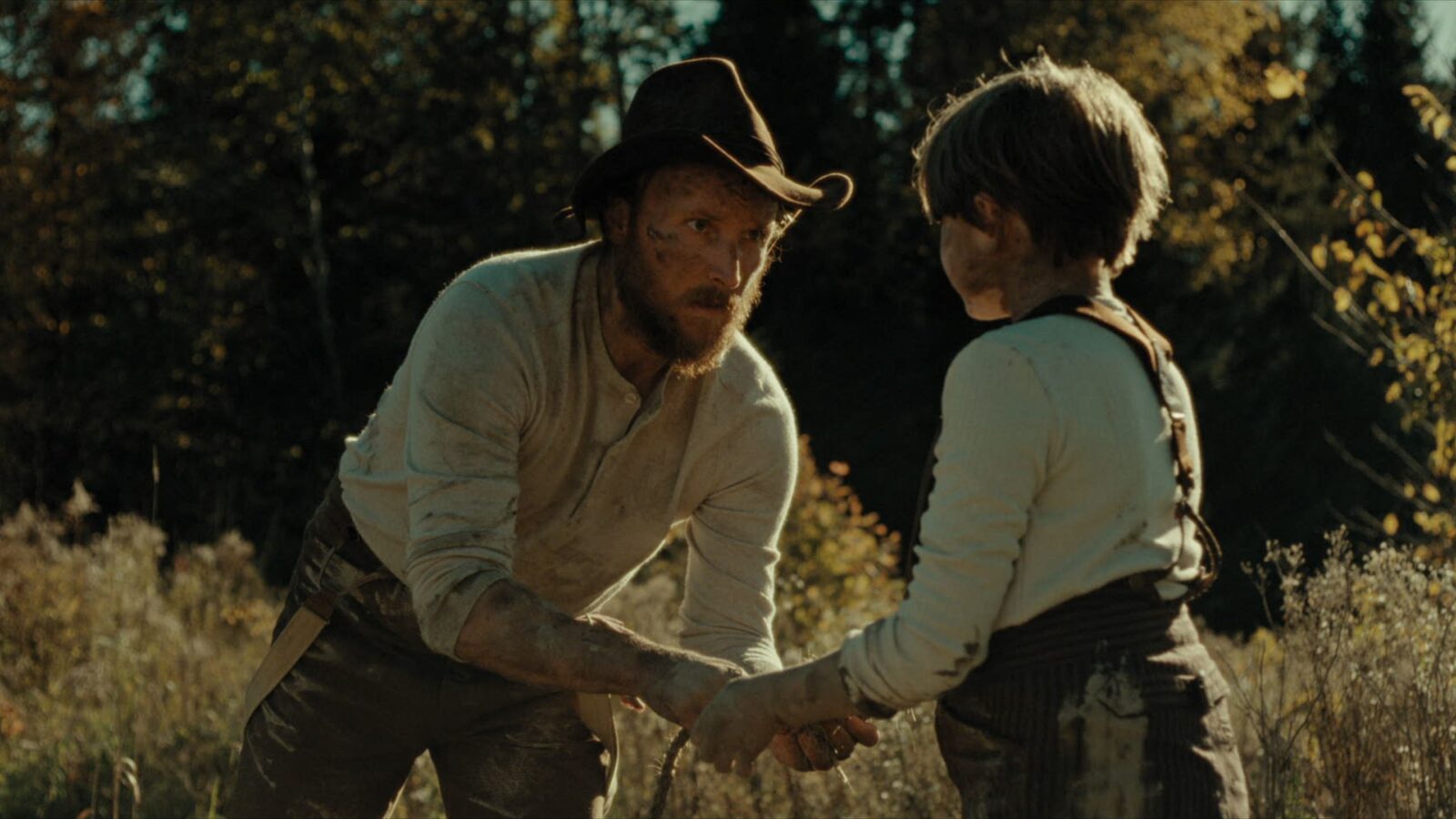
A Breed Apart contains the outline of a meaningful story about grief, land, and the fragile bond between father and son, but it never fully transforms those ideas into a gripping or emotionally grounded film. Its premise suggests a drama of hardship and attachment, yet the weak script, limited action, uneven performances, and unconvincing visual details prevent it from achieving the depth or intensity it seems to seek. What remains is a film with interesting thematic possibilities, but one that feels underdeveloped in execution.
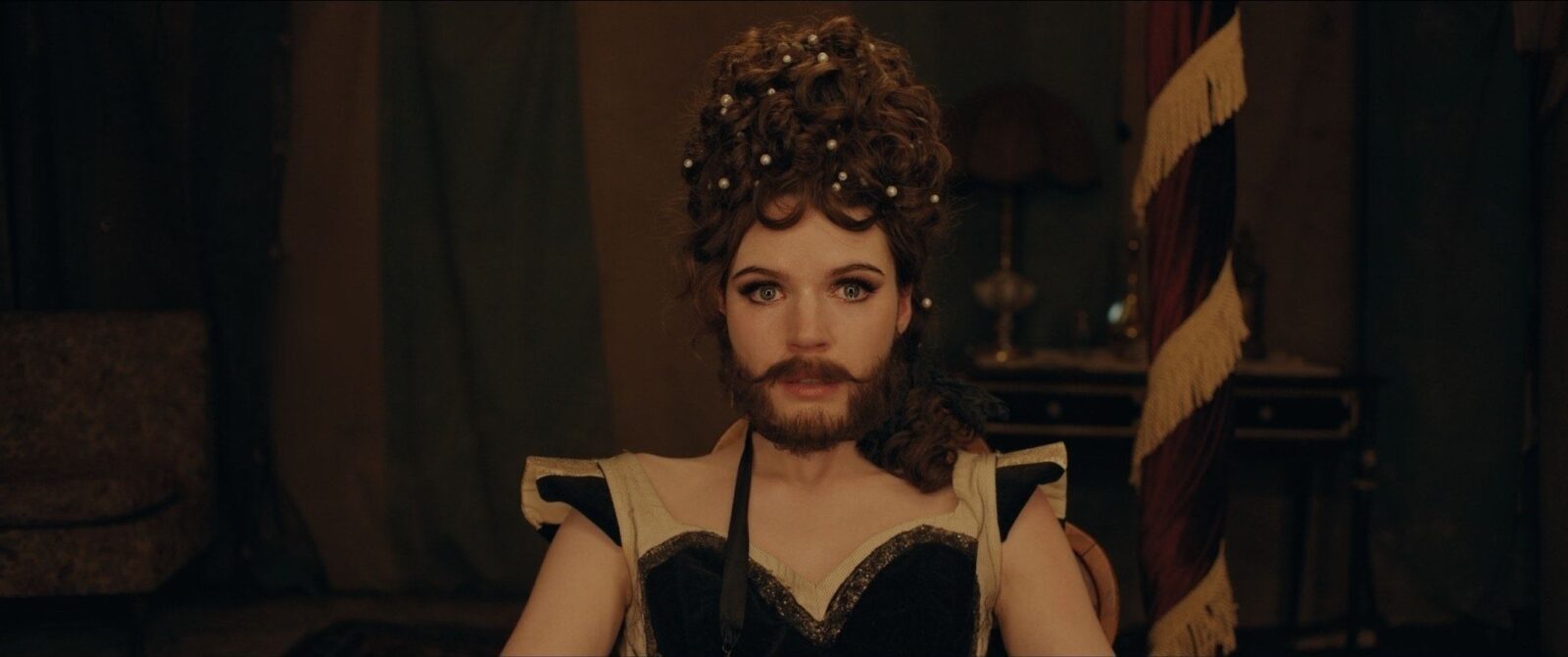
Jody Wilson’s film is therefore both entertaining and meaningful, a vibrant coming-of-age tale about learning how to live with a body and an identity that society insists on treating as other.
In aggregate, the shorts reveal the festival’s strongest achievement: they treat “Canadian cinema” not as a single identity, but as a set of forms—documentary, fable, performance, social realism—through which Canadian filmmakers test how much complexity can be carried in a brief duration. At its best, this short-film programme does exactly what the anniversary rhetoric promises: it asks audiences to look up, lean in, and recognize that the boldest ideas in a festival are often the ones that arrive in the smallest packages.
Khatami’s self-description as an orphan or nomadic filmmaker, together with the film’s Canada–France–Poland co-production context, positions cinema as a space of relative freedom—one where the work need not “answer” in advance to national expectation or identity branding. This stance also underwrites the film’s refusal to be reduced to an “ethnic” label as well as a genre film: even as it incorporates Turkish cultural textures with remarkable density, it aims at something more structurally legible—a study of how violence becomes tradition, how familial memory hardens into an inheritance, and how form itself (tableaux and close-ups; shifts from brightness to darkness; the strategic withholding of a guiding musical score) can render that inheritance visible without presuming to resolve it as a linear storyline.
Perfectly a Strangeness (Alison McAlpine) and The girl who cried pearls (Chris Lavis & Maciek Szczerbowski) arrive to the 2026 Oscar conversation not by converging on a shared aesthetic program, but by staging two different propositions about cinema’s relation to knowledge. Taken together, these shorts suggest a productive polarity in contemporary Canadian screen culture: the documentary that becomes essay, and the fable that becomes ethics.
Shannon favors clarity over flourish. The camera locates the game’s architecture—spacing, rotations, the small communications that make a set play work—alongside conversational scenes that index intergenerational memory and the persistence of trauma (Indian Residential Schools). Archival gestures (photos, local broadcasts, news clippings) are woven lightly rather than didactically; ambient sound from gyms and shorelines keeps the film rooted in place. The result is an ecology of images: country, community, and court read as one continuous field.
by Hudson Moura Ricardo Trogi’s 1995 bursts with frenetic energy, brilliantly capturing the chaotic personality of its main character—Trogi himself—portrayed…