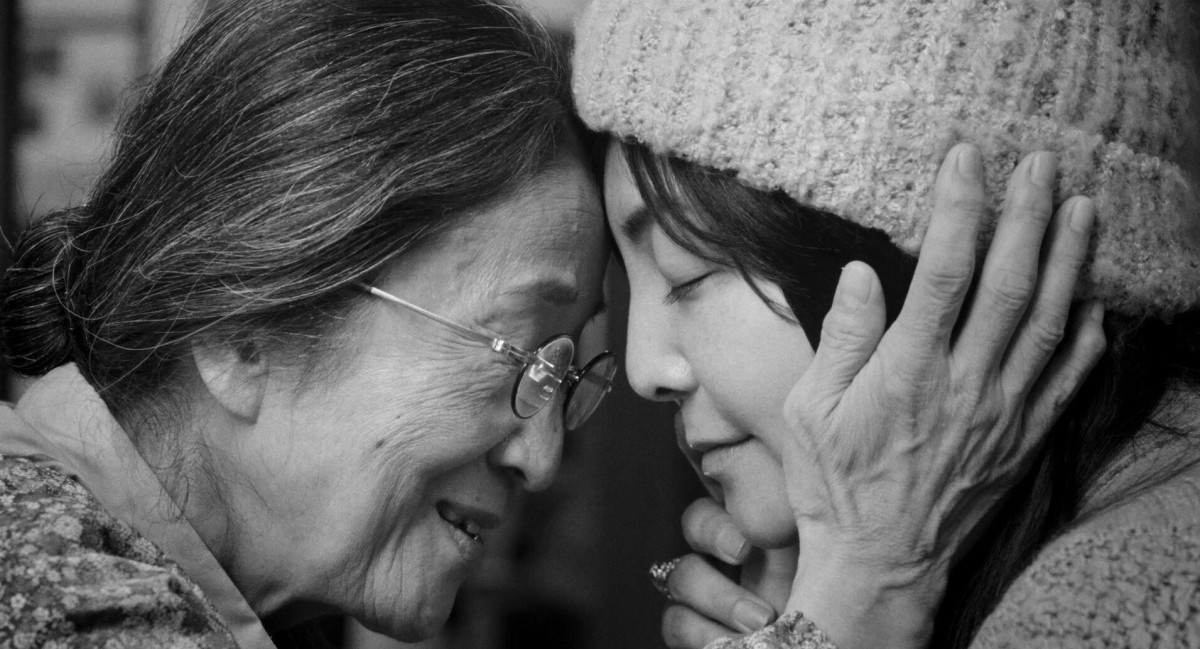
Akashi is an imperfect but sincere and thoughtfully directed film. Its exploration of mourning, family memory, and first love contains genuine emotional weight, while its visual treatment of time through colour and monochrome gives the story a distinctive texture. The direction shows sensitivity, and the Japanese cast brings depth, restraint, and authenticity to the film’s most affecting moments. Although the screenplay leans too heavily on dialogue and Mayumi Yoshida’s casting as Kana creates some distance within the film’s emotional world, Akashi still emerges as a work of recognizable delicacy and earnestness.
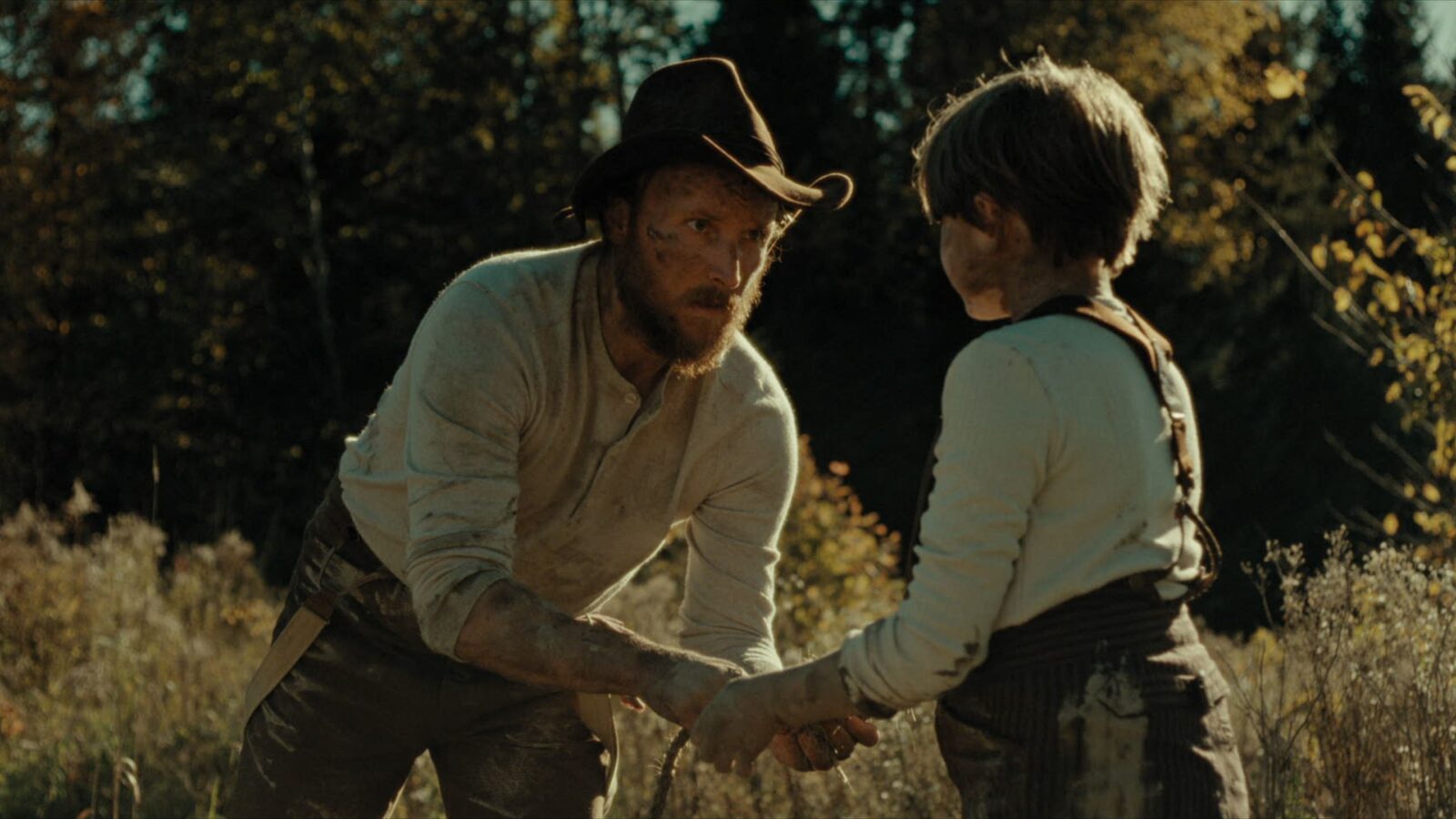
A Breed Apart contains the outline of a meaningful story about grief, land, and the fragile bond between father and son, but it never fully transforms those ideas into a gripping or emotionally grounded film. Its premise suggests a drama of hardship and attachment, yet the weak script, limited action, uneven performances, and unconvincing visual details prevent it from achieving the depth or intensity it seems to seek. What remains is a film with interesting thematic possibilities, but one that feels underdeveloped in execution.
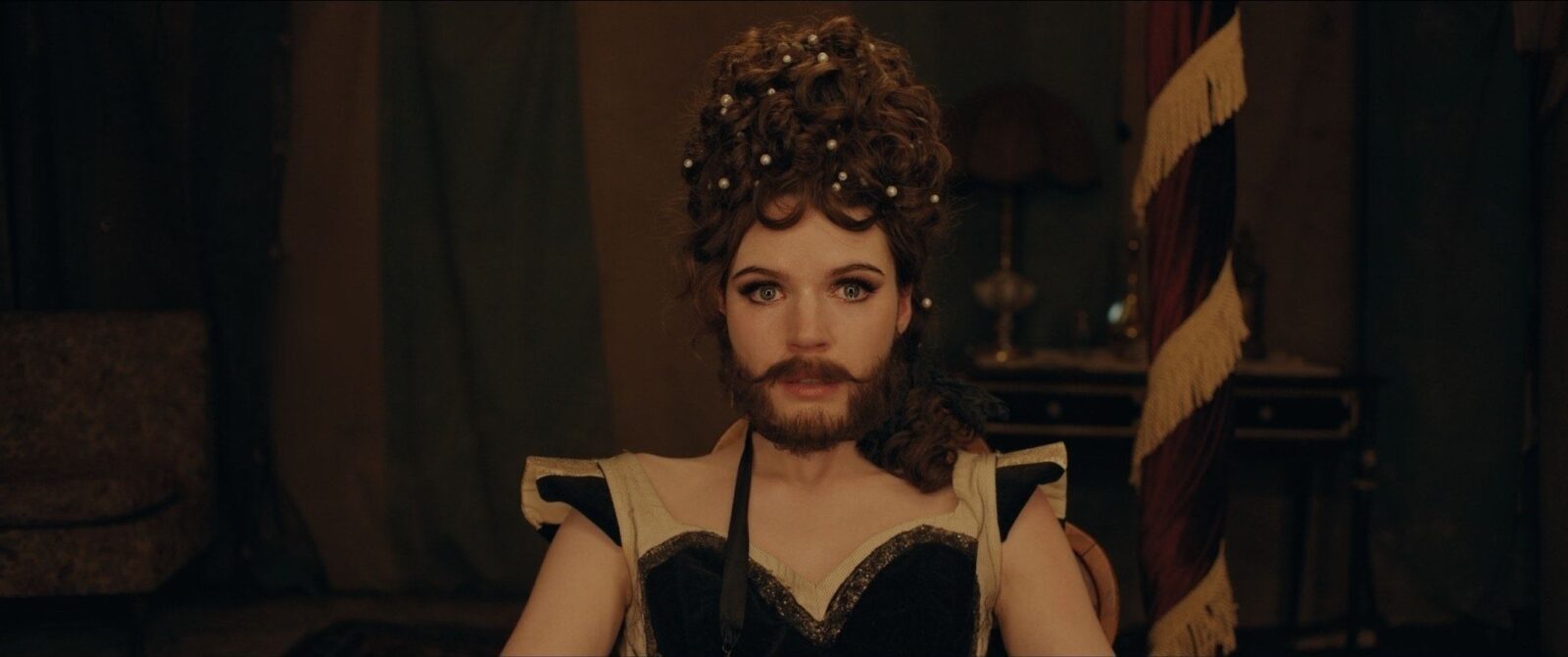
Jody Wilson’s film is therefore both entertaining and meaningful, a vibrant coming-of-age tale about learning how to live with a body and an identity that society insists on treating as other.
In aggregate, the shorts reveal the festival’s strongest achievement: they treat “Canadian cinema” not as a single identity, but as a set of forms—documentary, fable, performance, social realism—through which Canadian filmmakers test how much complexity can be carried in a brief duration. At its best, this short-film programme does exactly what the anniversary rhetoric promises: it asks audiences to look up, lean in, and recognize that the boldest ideas in a festival are often the ones that arrive in the smallest packages.