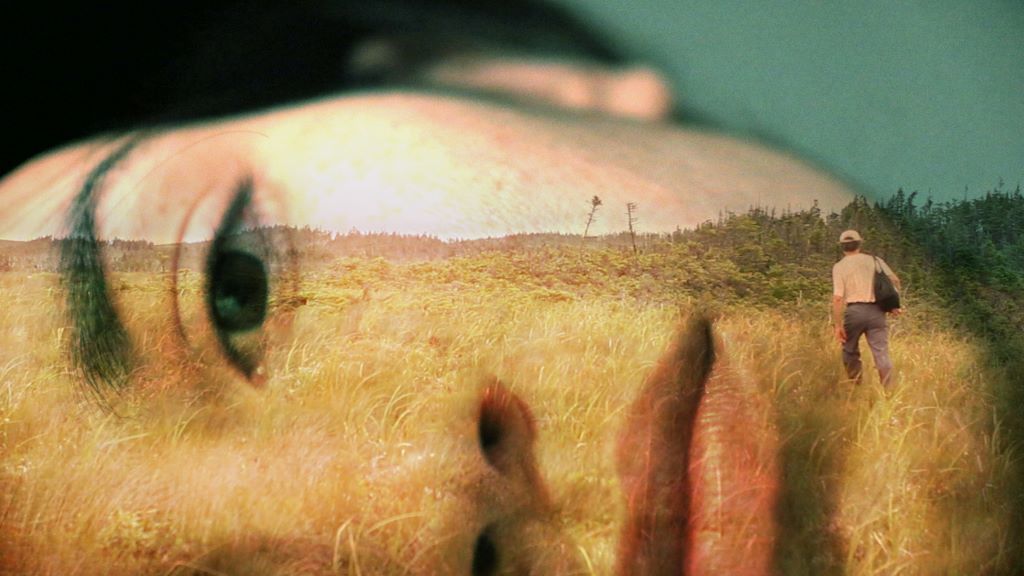
Celebrating its 30th anniversary, the Toronto Reel Asian International Film Festival (November 11–21, 2026) showcases the diversity of Asian and Asian diasporic cinema. Explore my capsule reviews of selected films, examining their cinematic approaches, cultural perspectives, and explorations of identity, migration, memory, and belonging.
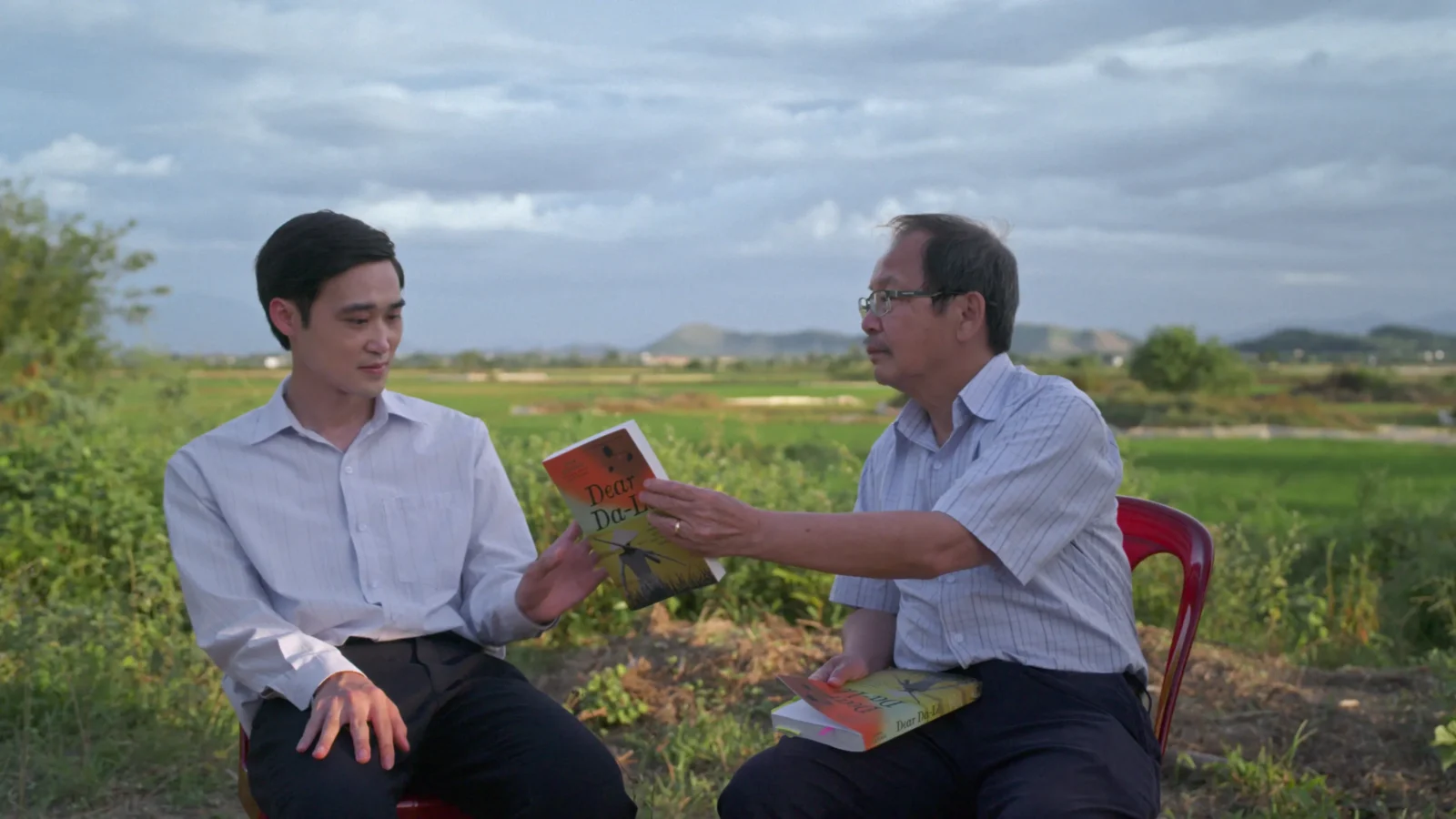
In Ba’s Book (2026), filmmaker Ashley Da-Lê Duong returns to Vietnam with her father to reconstruct a family history marked by war, exile, and silence. Combining documentary footage, archival images, and dramatized reenactments, the film transforms a father’s memoir into an intimate exploration of memory and intergenerational communication. Although its historical context remains limited, its innovative approach to reconstructing the past is particularly compelling. Opening Night Gala at the 30th Toronto Reel Asian International Film Festival.
Rating: 4.5/5
In *Everest: The Other Side* (2026), directors Jimmy Chin and Elizabeth Chai Vasarhelyi follow ski mountaineer Jim Morrison’s extraordinary quest to descend Everest’s dangerous North Face. Combining breathtaking IMAX imagery with an emotionally powerful story of grief, ambition, and persistence, the documentary reveals the human motivations behind an almost impossible challenge. Although its conventional television-style storytelling limits its cinematic ambitions, the film remains a remarkable and deeply moving adventure.
Rating: 3.8/4
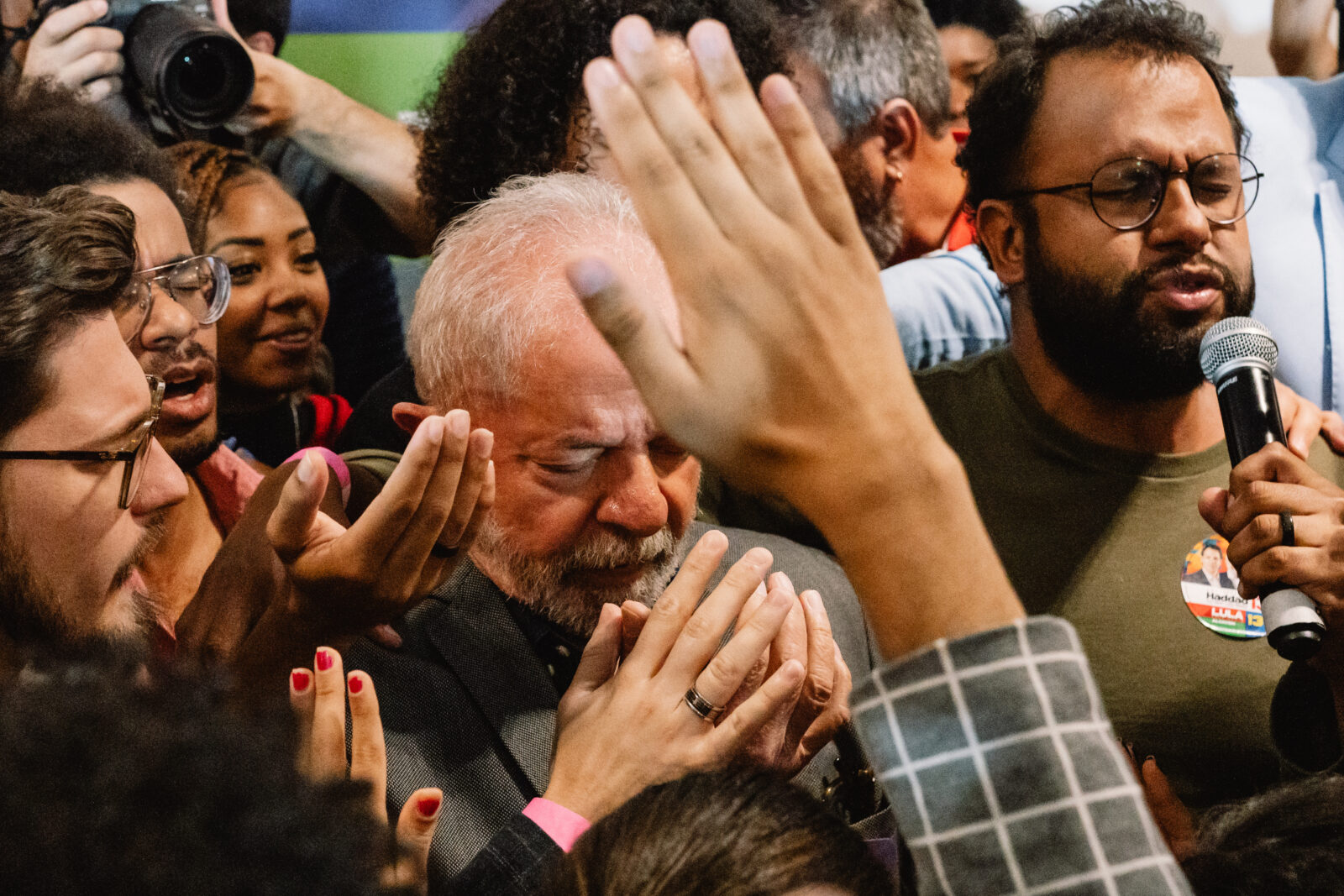
Susanne Rostock’s *Following Harry* explores the extraordinary political legacy of Harry Belafonte and his influence on generations of artists and activists. Moving from the civil rights movement to contemporary struggles against racism and injustice, the documentary emphasizes solidarity, nonviolent resistance, and collective responsibility. Although its celebratory approach leaves important questions unanswered about the personal and professional costs of Belafonte’s activism, the film offers a powerful reminder that the struggle for social justice remains unfinished.
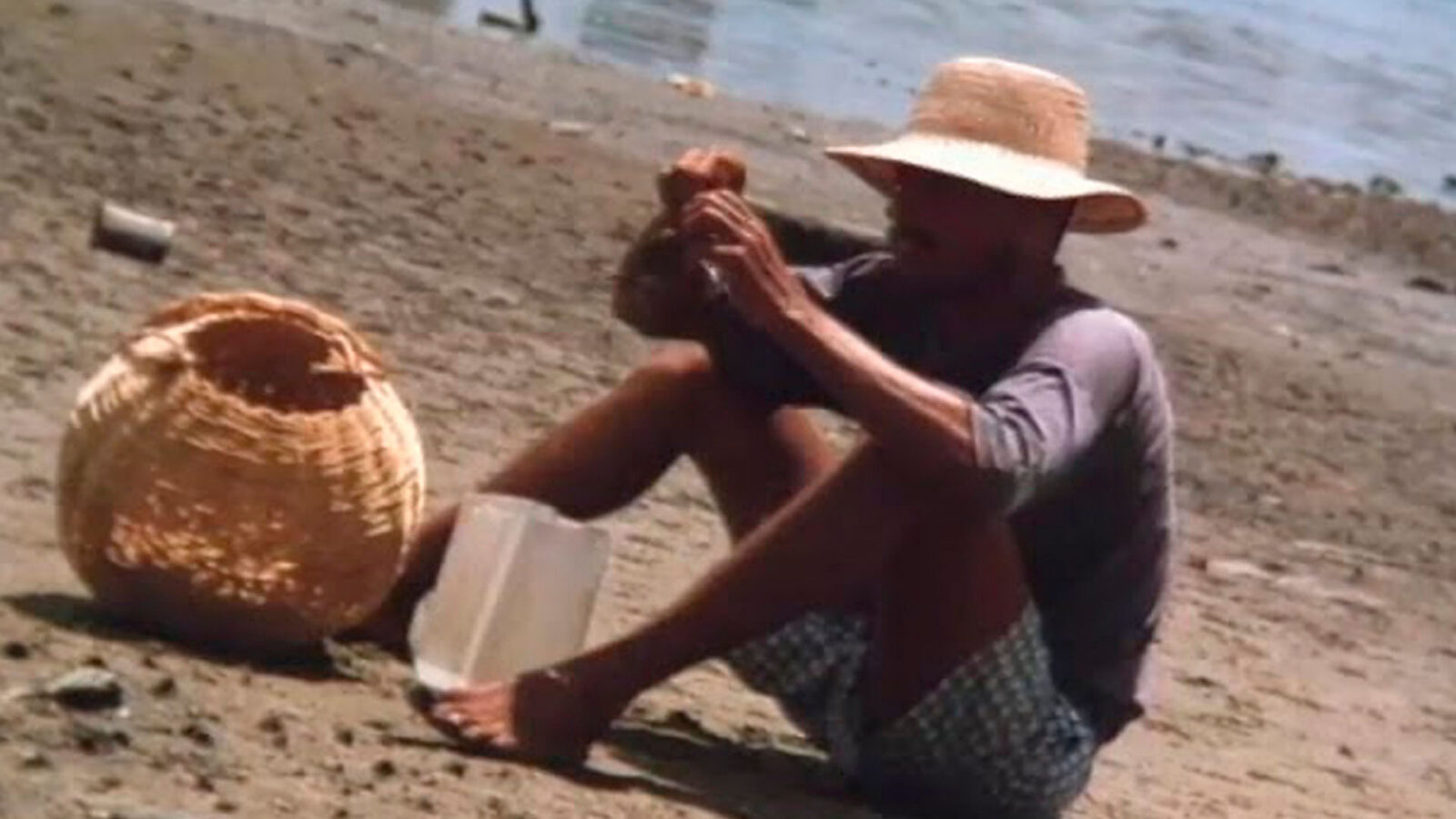
My review of Kátia Mesel’s Recife de Dentro pra Fora (1997), a remarkably beautiful short film that transforms the Capibaribe River into a poetic portrait of Recife’s cultural identity, social inequalities, and environmental struggles. Inspired by João Cabral de Melo Neto’s O Cão sem Plumas, the film brings together powerful imagery, poetry, and the voices of Geraldo Azevedo, Elba Ramalho, and Zé Ramalho. Recently restored in 4K and presented at the Brazil Film Fest Toronto 2026, the film stands as both a declaration of love for Recife and an important work of Pernambuco’s cinematic and cultural memory.
Hot Docs 2026 emerges as a festival where documentary cinema proves its continuing power to confront the present, revisit the past, and reclaim voices too often marginalized or distorted. Through films that move between global crises and intimate histories, the festival affirms documentary not only as a form of record, but as a vital practice of inquiry, resistance, and cultural memory.
A tender, unsentimental portrait in which Calvin Liu turns his camera toward his father, a 58-year-old Chinese immigrant motel owner in Gaspésie, and lets work, habit, and landscape speak in place of speeches.
Colin Hanks signs a warm, craft-conscious portrait that follows John Candy from his Toronto’s vanished childhood cinema and SCTV days to Hollywood stardom and home life, pairing sharp testimonies with clips that show—rather than tell—his generosity, timing, and enduring charm.
As North America’s largest documentary film festival unfolds from April 25 to May 5, I’ll cover a selection of standout…
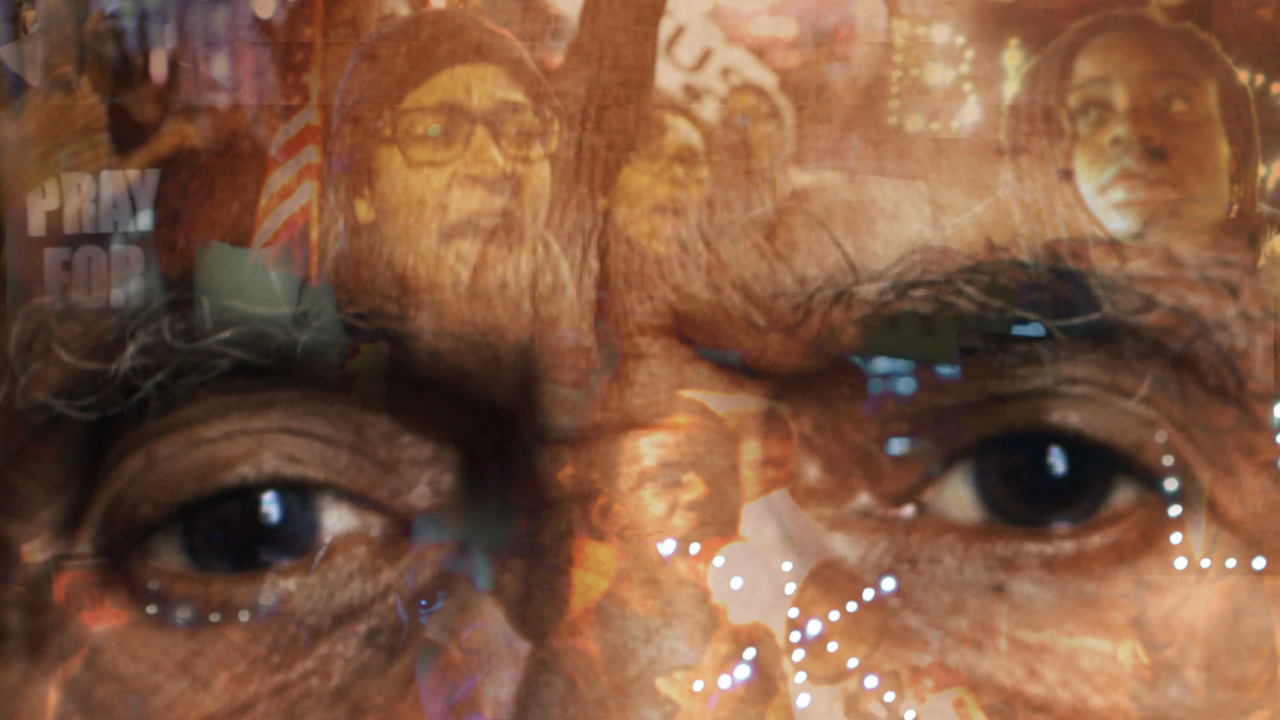
by Hudson Moura In Apocalypse in the Tropics, Petra Costa continues her cinematic inquiry into Brazil’s fragile democratic fabric, this…
by Hudson Moura In the tradition of Canadian diasporic first-person films, filmmakers often delve into their experiences of exile and…
by Brenn Robinson
Documentary filmmaking plays a vital role in the creating and spreading of awareness and action to help combat social, political, and global issues. The recent emergence of wide-spread alarm for the earth’s rapidly changing climate has given documentary filmmakers involved with the issue, an opportunity to reach a far broader audience than ever before. Anthropocene: The Human Epoch, directed by Jennifer Baichwal, Nicholas de Pencier, and Edward Burtynsky, is the third film in a trilogy that explores the severe and detrimental impacts that humanity continues to have on the earth and its natural systems and species.
by Alexandra Dalangin and Faatimah Saleji
Sexual abuse. It is a repulsive global issue that has yet to be resolved as the number of unjust cases continues to rise, permanently affecting the lives of many in the process. It leaves physical and mental scars most prominently on women and girls which result in health complications, a loss of trust, and a sense of panic that burdens their ability to grow on a more emotional level. Filmmakers tend to shy away from creating films centered around sexual abuse as it is a highly sensitive topic that is labeled as “uncomfortable” and “distressing” to portray, especially when mainstream Hollywood box office hits are popularized amongst the moviegoing audience.
by Bang Yan Ma
3.8 million years ago the first rains created the oceans that spread themselves across a primordial Earth, establishing itself as one of the oldest most primeval attributes of our planet. It birthed life upon the planet through single-celled organisms, stood by through the rise and fall of the dinosaurs, and is witnessing the evolution of hominins into modern humans. The Anthropocene Epoch, the most recent geological epoch, designates the beginning of which humans had started to have a significant impact on the planet, both positive or negative. Domestication, the Holocene Extinction, Nuclear Fission, Climate Change, are all major impacts that humans have had on the planet, and although impressive, are nothing compared to the planet-wide mass extinction events that nature has forced upon the planet.
by Alina Snisarenko Introduction The Edge of Democracy is a documentary film that integrates the personal with the political in…
by Ronen Tsyrlin Introduction: The rise and fall of political figures have been widely documented in Hollywood cinema. The constant…
by Sara Sidheri I. Introduction The Edge of Democracy (2019), directed by Petra Costa, is a documentary of the political…
The famous Crazy Horse in Paris is billed as the best nude act in the world. A combination of Vegas…