One of the film’s strengths is that it fully justifies its title. Grogu has a much more influential role here than in much of the series, and the relationship between him and Din Djarin becomes one of the film’s central pleasures. The dynamic is subtly rebalanced: it is no longer only the older protector caring for the child, but also, in some sense, the young caring for the old. This gives the film warmth and emotional continuity, and it confirms that the bond between the two characters remains the beating heart of the franchise.
Hot Docs 2026 emerges as a festival where documentary cinema proves its continuing power to confront the present, revisit the past, and reclaim voices too often marginalized or distorted. Through films that move between global crises and intimate histories, the festival affirms documentary not only as a form of record, but as a vital practice of inquiry, resistance, and cultural memory.
The Devil Wears Prada 2 is watchable largely because of its cast, and especially because Emily Blunt keeps its wit alive whenever she appears. But as a sequel, it feels too safe, too predictable, and too dependent on memory. It brings back the icons, but not quite the bite.
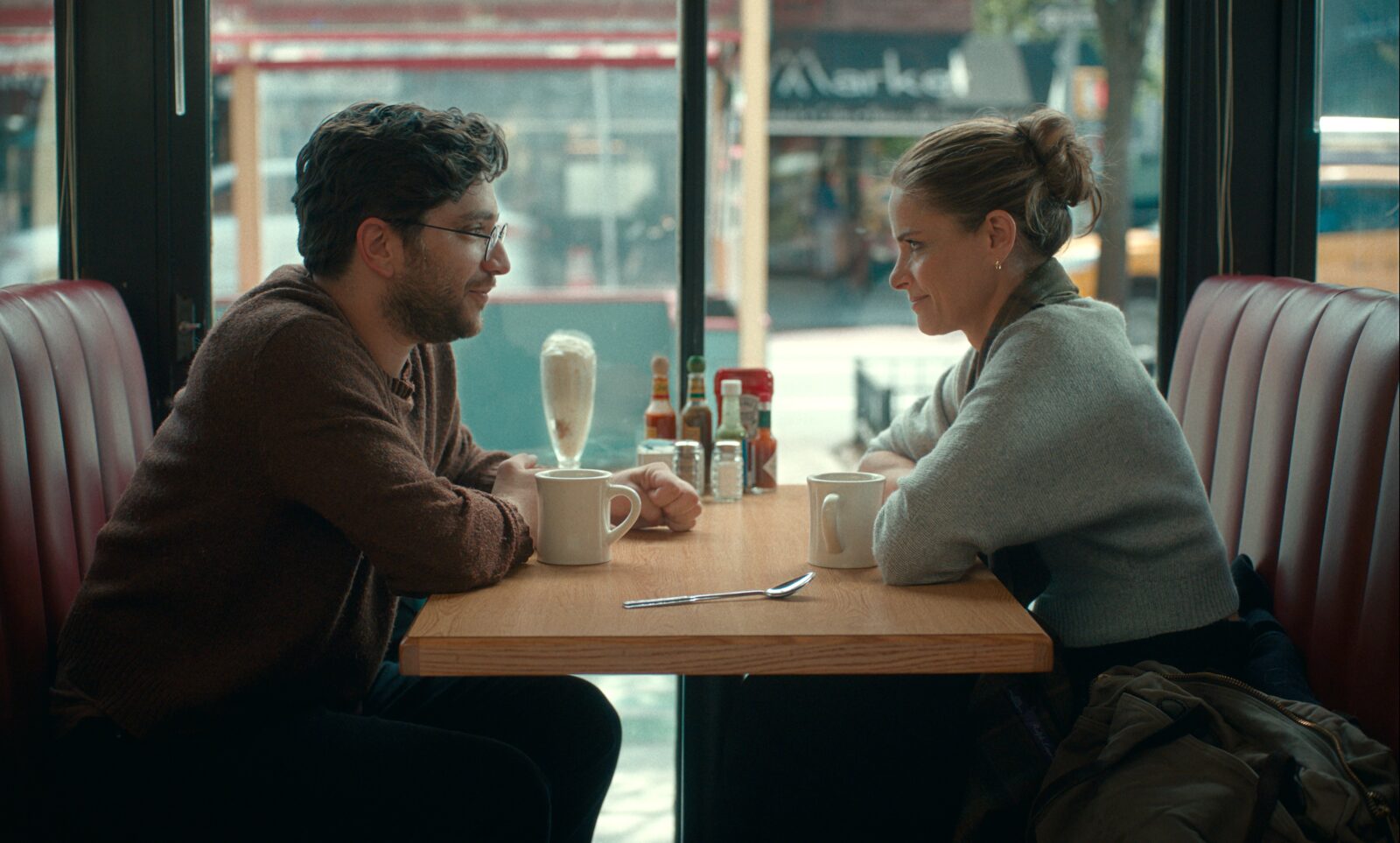
Fantasy Life is an imperfect but charming film, shaped by an appealing central performance and a strong ensemble. Its portrait of depression, anxiety, emotional immaturity, and fragile connection is often compelling, even if its script and seasonal structure do not always fully support its ambitions. Matthew Shear’s work is consistently engaging, and the film finds much of its value in the tension between light comedy and personal struggle. It may not be fully polished, but it has enough tenderness, intelligence, and good performances to make its awkwardness part of its appeal.
What makes the film compelling is precisely this tonal balance. It never abandons the pleasures of romantic comedy and relational drama, but it gradually infuses them with discomfort, uncertainty, and emotional volatility. The result is a film that is both entertaining and perceptive, one that captures how intimacy can move rapidly from warmth to estrangement, from play to revelation, from trust to doubt.
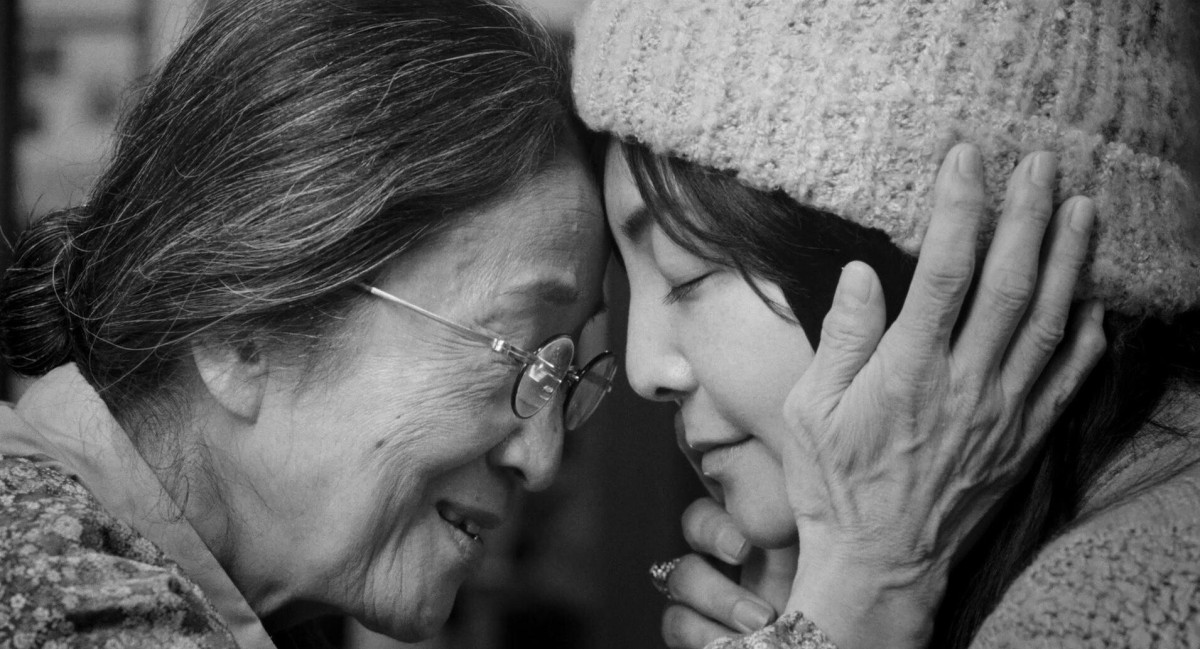
Akashi is an imperfect but sincere and thoughtfully directed film. Its exploration of mourning, family memory, and first love contains genuine emotional weight, while its visual treatment of time through colour and monochrome gives the story a distinctive texture. The direction shows sensitivity, and the Japanese cast brings depth, restraint, and authenticity to the film’s most affecting moments. Although the screenplay leans too heavily on dialogue and Mayumi Yoshida’s casting as Kana creates some distance within the film’s emotional world, Akashi still emerges as a work of recognizable delicacy and earnestness.
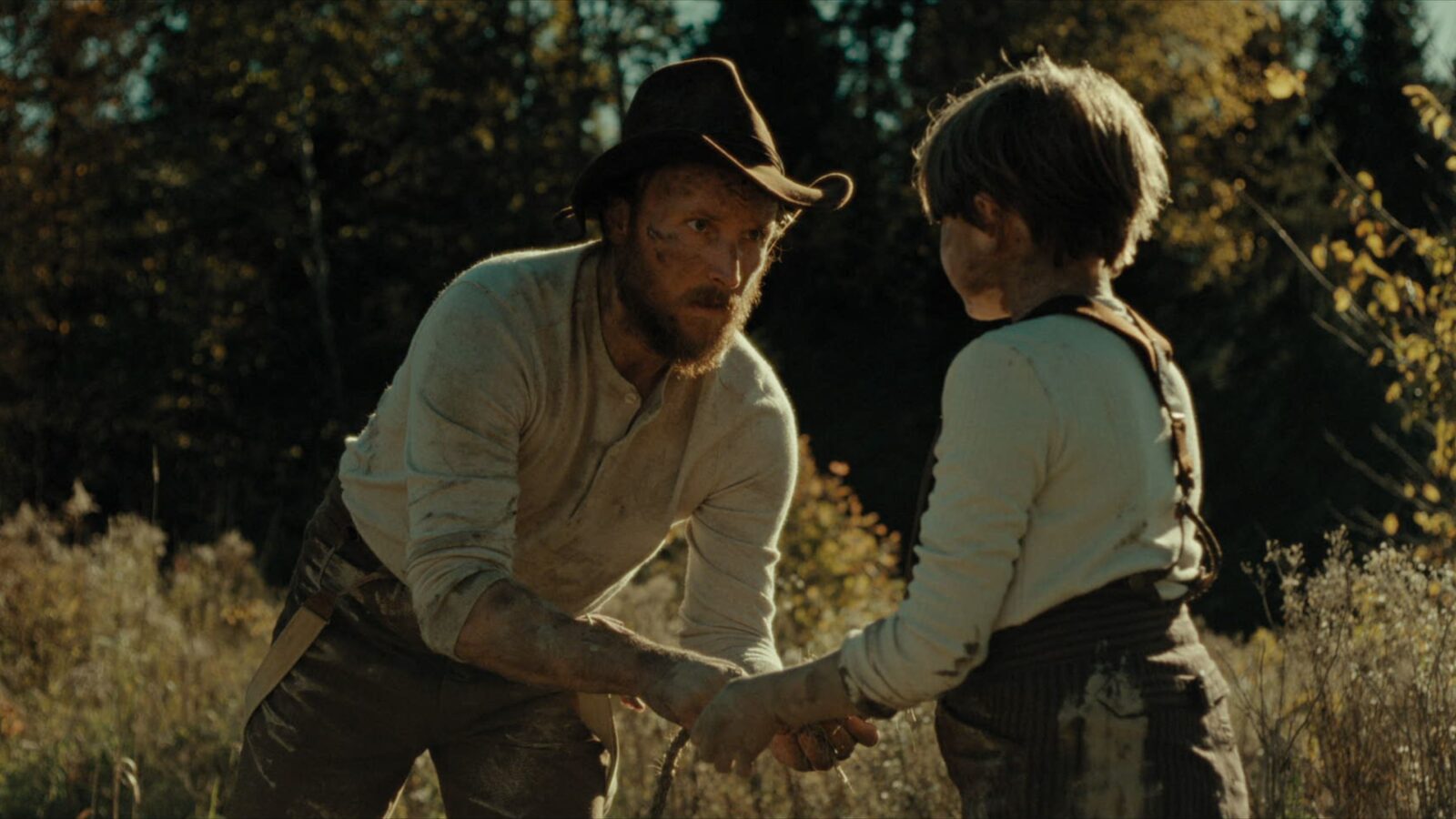
A Breed Apart contains the outline of a meaningful story about grief, land, and the fragile bond between father and son, but it never fully transforms those ideas into a gripping or emotionally grounded film. Its premise suggests a drama of hardship and attachment, yet the weak script, limited action, uneven performances, and unconvincing visual details prevent it from achieving the depth or intensity it seems to seek. What remains is a film with interesting thematic possibilities, but one that feels underdeveloped in execution.
It Comes In Waves is a sincere and often powerful film about the afterlife of genocide, displacement, and familial trauma. Its atmosphere is intensely oppressive, its thematic focus urgent, and its formal choices are effective in conveying anguish and entrapment. At times, however, this intensity becomes excessive, making parts of the film feel almost tiring over the course of more than an hour. If some performances and relationships lack the depth needed to fully realize the emotional complexity of the material, the film nevertheless remains a serious and affecting attempt to give form to the ongoing reverberations of historical violence..
Jody Wilson’s film is therefore both entertaining and meaningful, a vibrant coming-of-age tale about learning how to live with a body and an identity that society insists on treating as other.
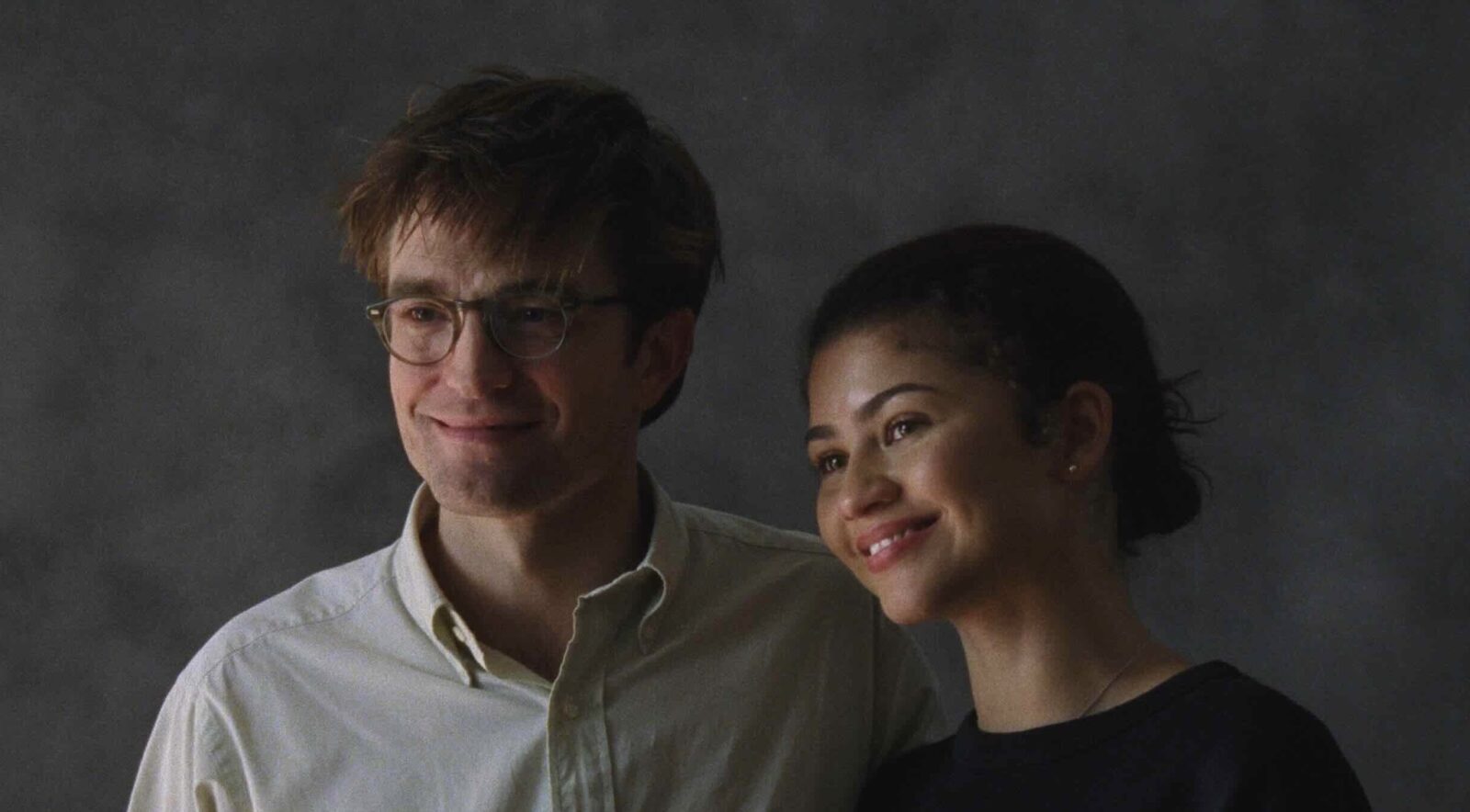
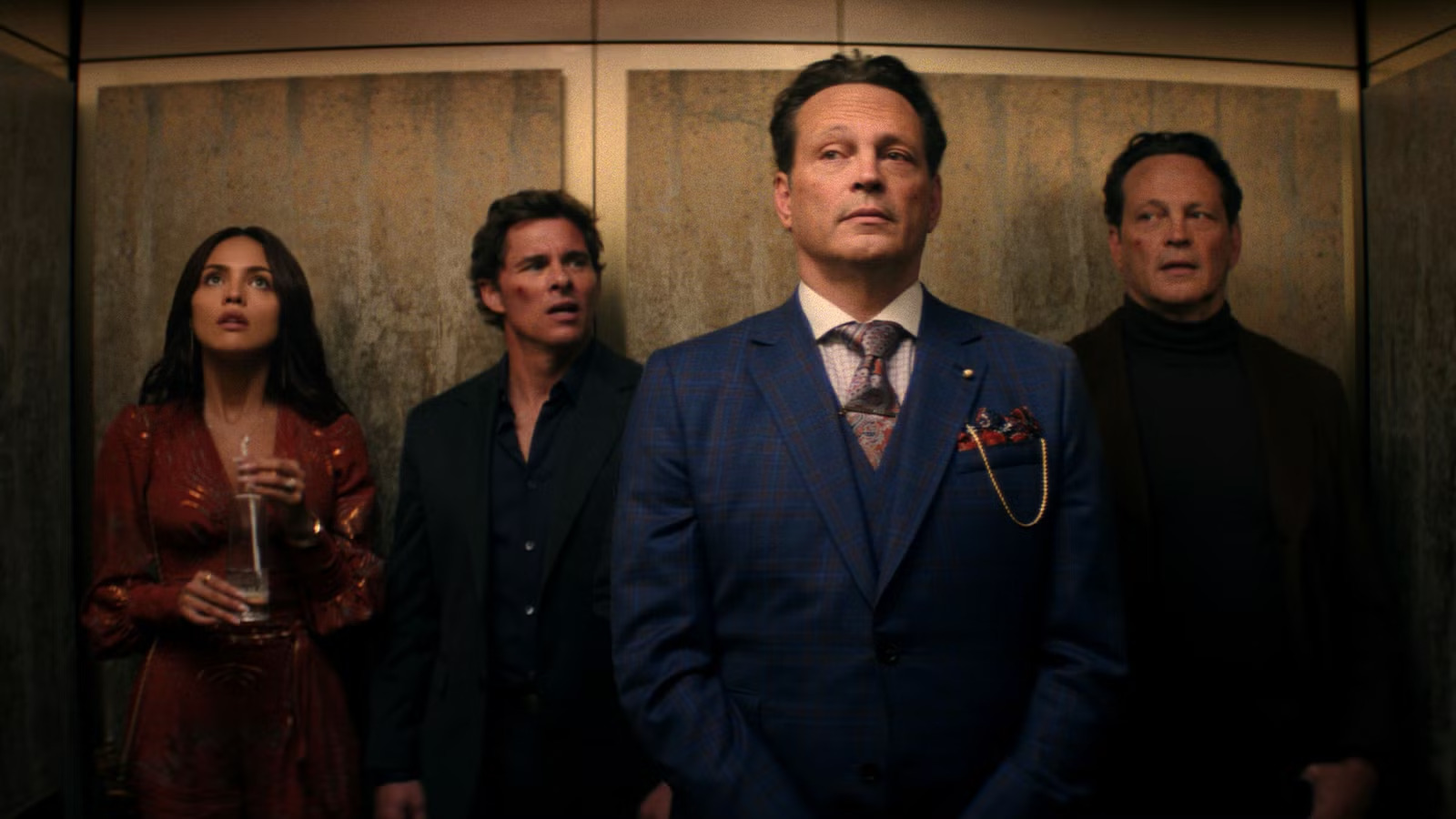
Mike, Nick Nick and Alice (written and directed by BenDavid Grabinski) is built around a potentially useful gimmick—time, doubles, and underworld confusion—but the film rarely converts that premise into sustained pleasure or coherent tension. Structured around “the party” and its aftermath, it leans heavily on the energy of endless bickering, yet the repeated fighting quickly becomes predictable rather than dynamic: noise replaces rhythm, and irritation substitutes for escalation.
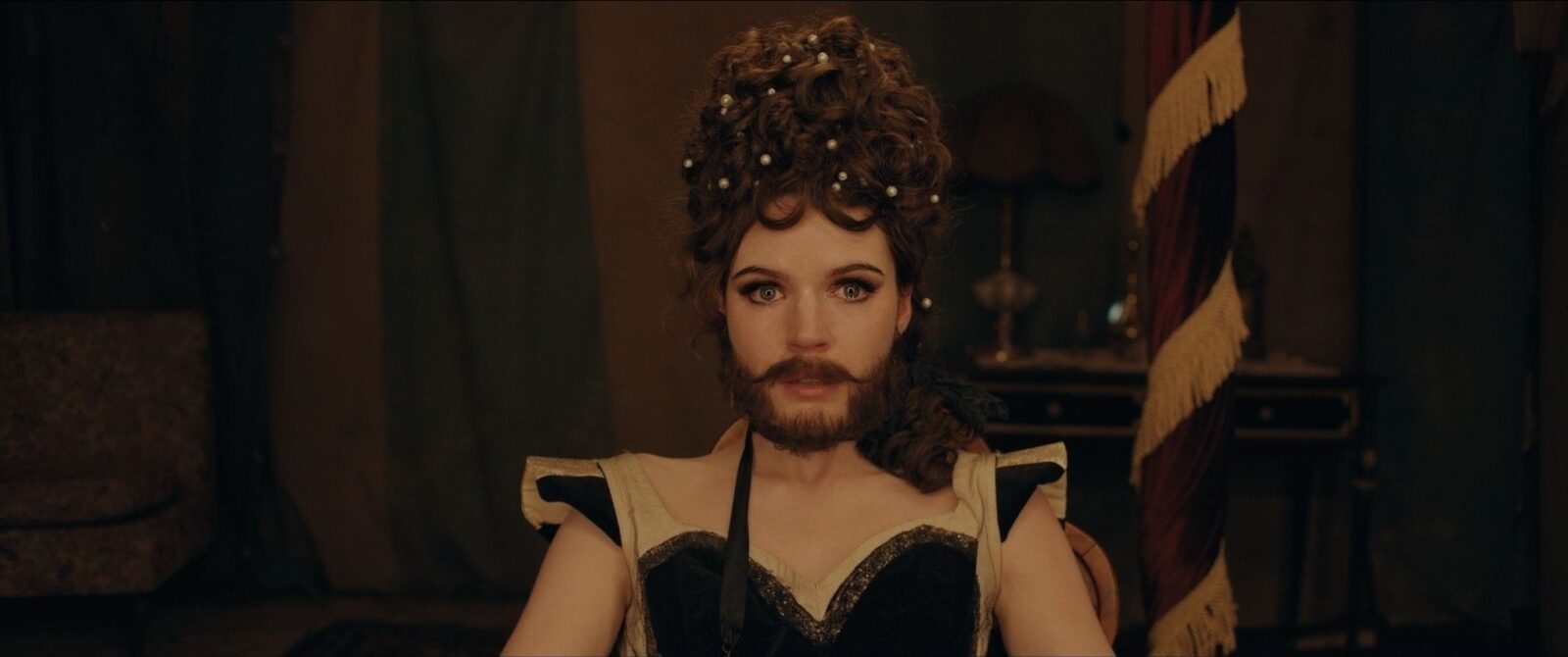
Celebrating its 20th anniversary under the theme “Eyeballs Up,” the Canadian Film Fest 2026 showcases the diversity and creative vitality of Canadian cinema. From inventive shorts and Indigenous filmmaking to intimate dramas, documentaries, and genre experimentation, the festival offers a rich panorama of contemporary storytelling. Hudson Moura examines the festival’s short-film programmes alongside reviews of three feature films: *A Breed Apart*, *Akashi*, and *The Bearded Girl*.
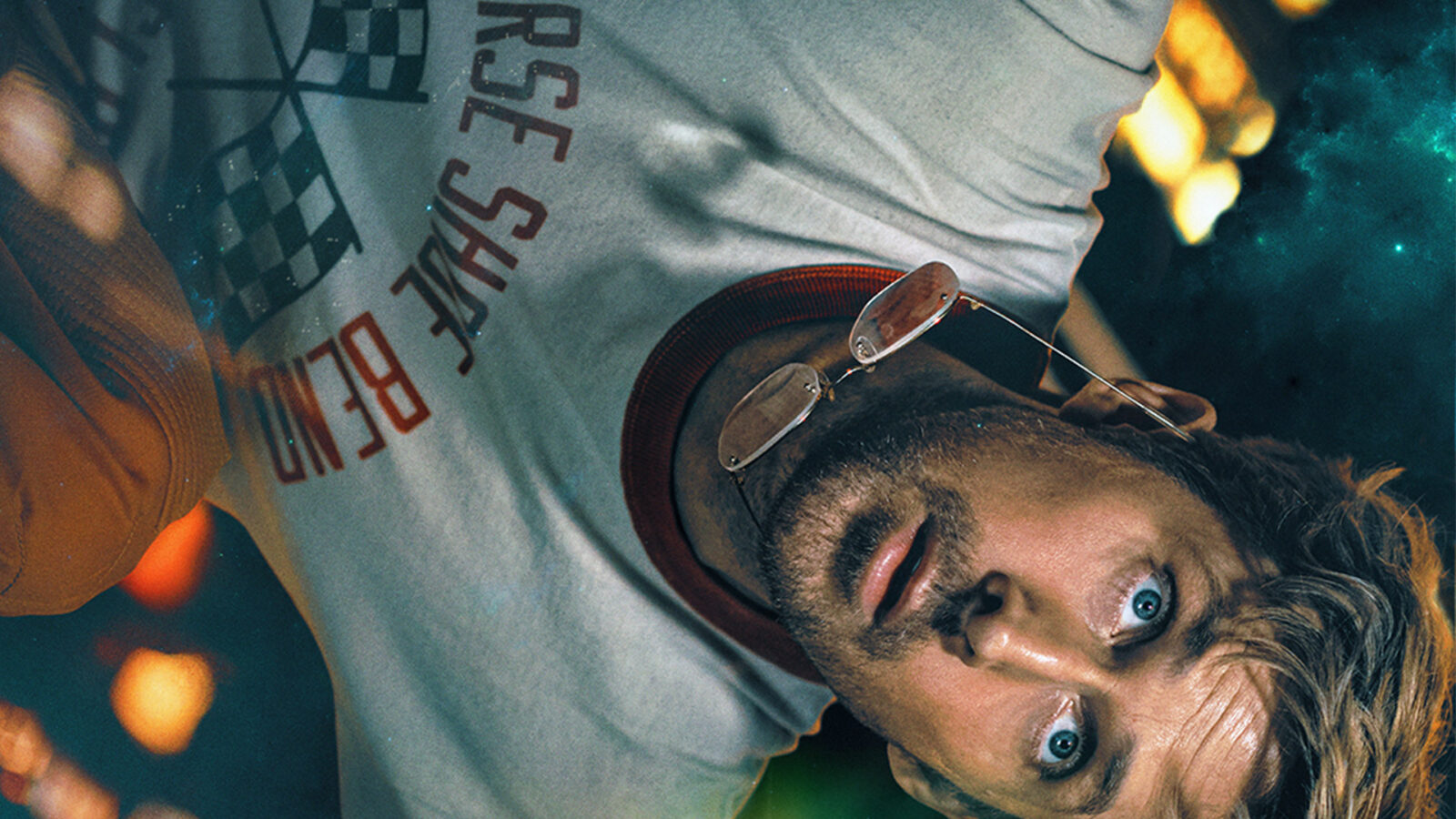
Project Hail Mary is both entertaining and quietly philosophical, particularly in its reflection on otherness, human expectations, and the limits—and possibilities—of technology. It does not drift into the mystical or transcendental; its questions remain anchored in ethics, cooperation, and survival. What lingers most is the film’s insistence that a mission of planetary scale can still be carried by the fragile, persuasive drama of one person learning—slowly and painfully—what responsibility might demand.
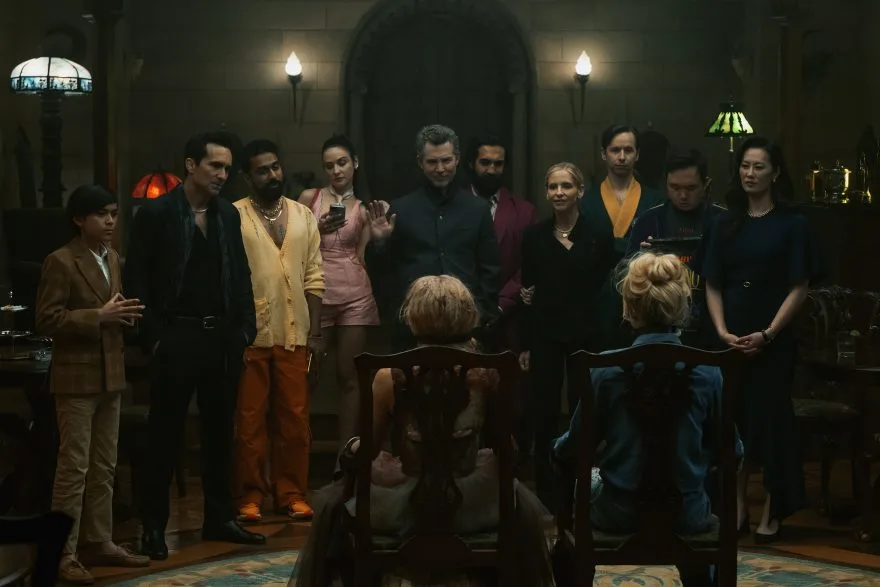
The film is less interested in being genuinely scary than in sustaining a particular genre cocktail: gore plus dark humour plus chase mechanics. Its pleasures are visceral and comedic rather than suspenseful.
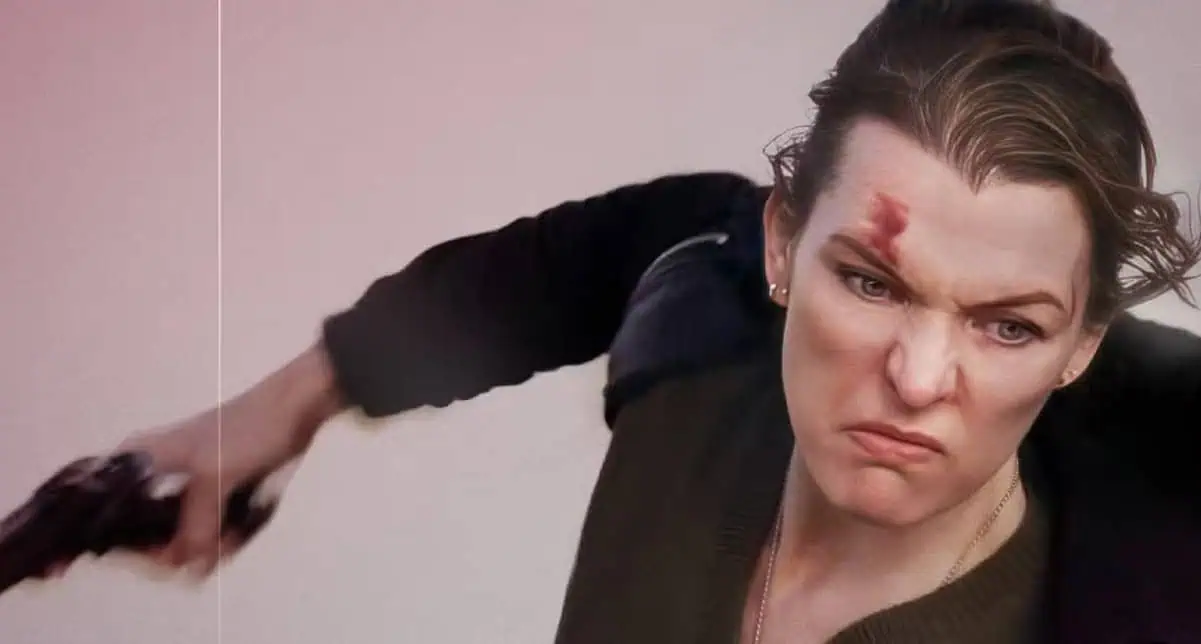
The film’s most distinctive—if not fully original—device is Nikki’s voice-over, in which she articulates thoughts, tactics, and a kind of soldierly methodology. It adds a marginal layer of character interiority and technique, functioning like a procedural annotation to the action.
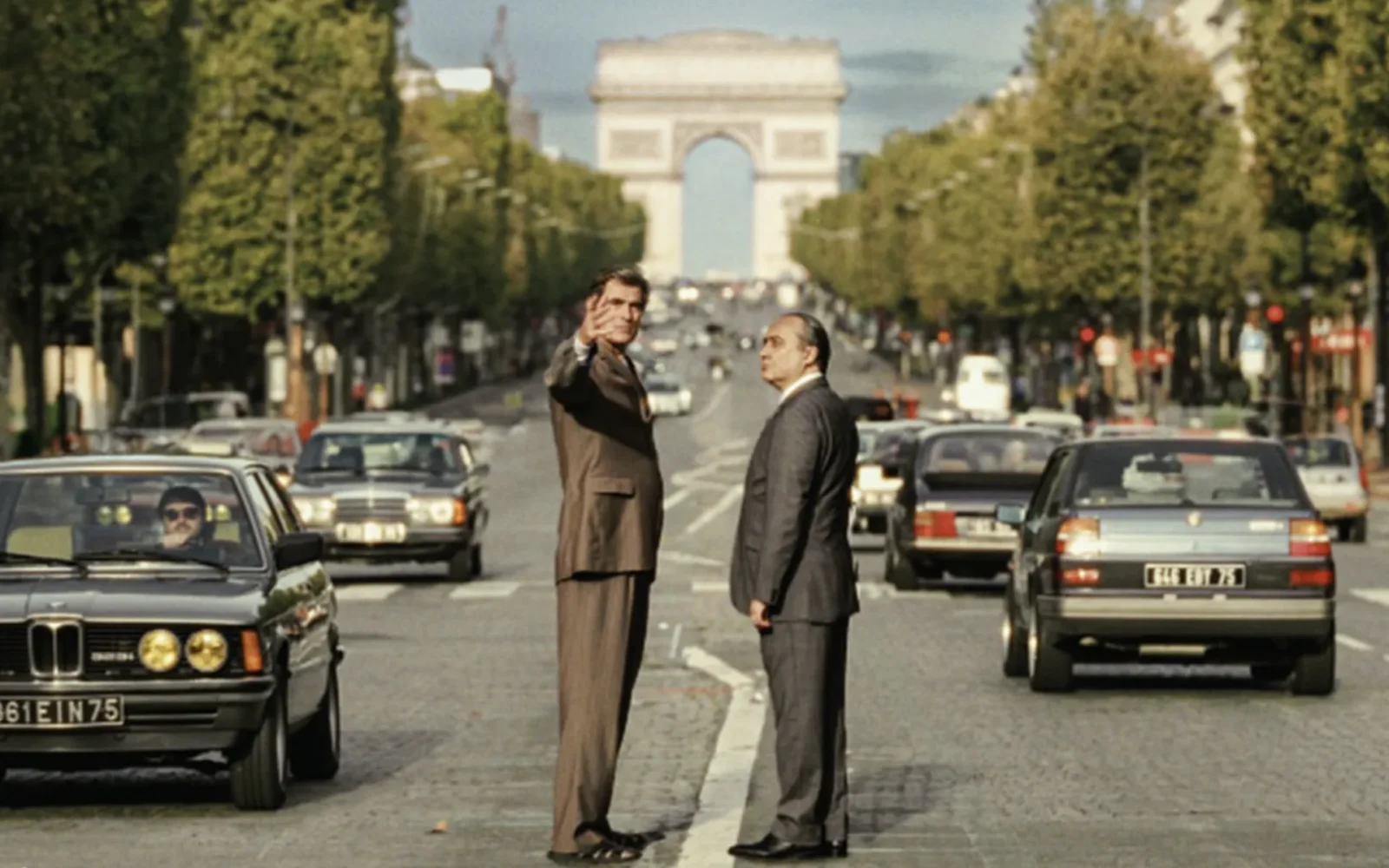
What gives The Unknown of the Grande Arche its resonance is its insistence that this is not merely a period tale. The film’s conclusion is implicit throughout: some conflicts do not change. In any era, the artist’s dream collides with the same enduring forces—politics, industry, finance—and the larger the public project, the more brutally those forces assert themselves.
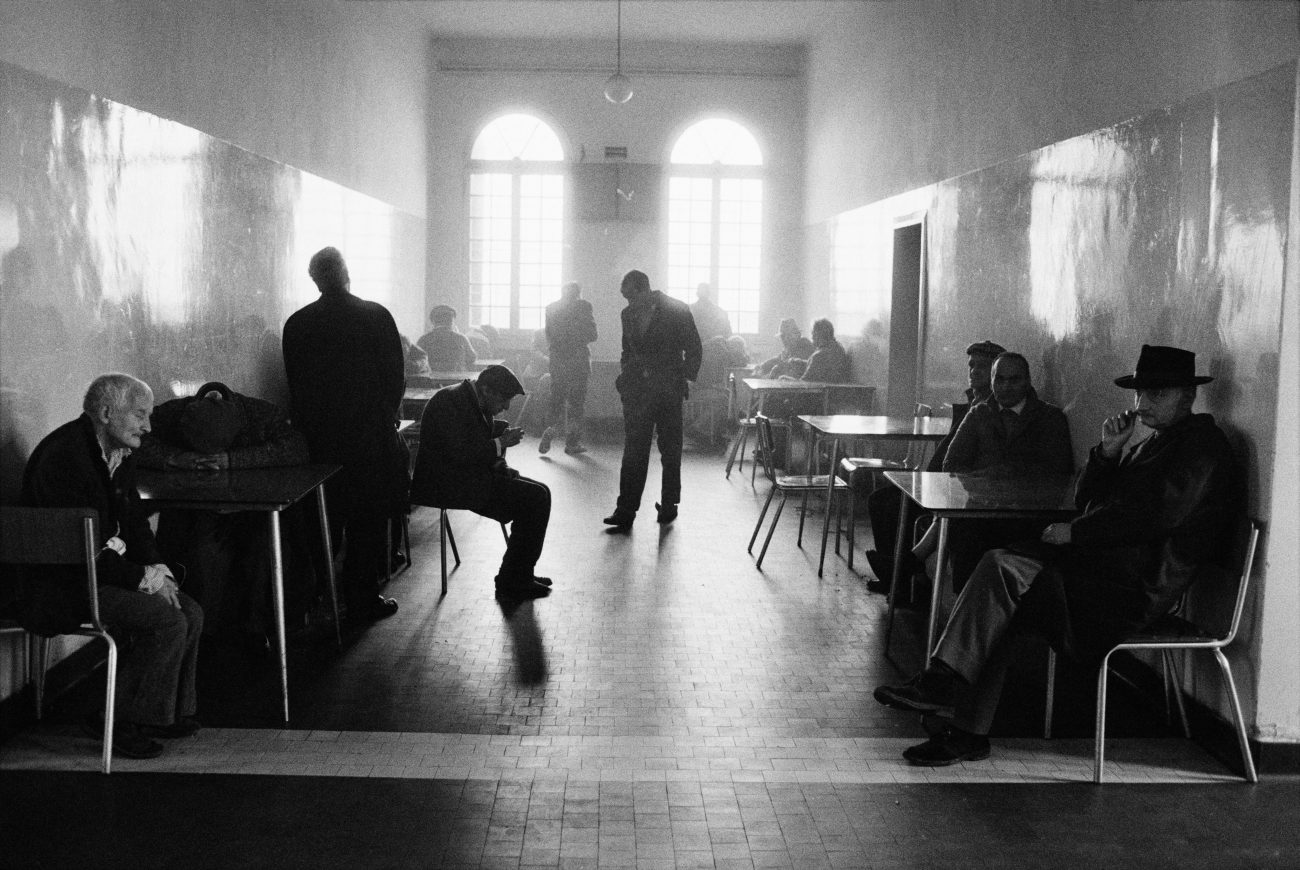
Seen as a whole, the retrospective clarifies Depardon’s singular achievement: he turns observation into a form of thinking—cinema as attentive presence, as social description, as an ethics of time.
Scream 7 is unlikely to disappoint franchise fans, because it delivers the familiar ingredients with enough energy and self-awareness to keep the machinery running: media satire, nostalgia, meta-theory, and the enduring thrill of a mask that can belong to anyone.
Dreams critiques privilege effectively, but it does so from a position that never quite identifies with—or fully explains—the social ecosystem it stages, suggesting that this sphere of wealth is less Jennifer’s (Jessica Chastain) lived world than an apparatus she wields. Isaac Hernández is especially compelling—his physical credibility as a dancer and his Spanish-speaking presence ground Fernando’s vulnerability without reducing him to innocence. The result is a film that is less interested in romance than in domination: an unsparing portrait of how privilege can convert desire into ownership, and how the language of love can become one more instrument for denying another person’s individuality and becomes our ideally object of desire and satisfaction.
Crime 101 deserves more credit than it is likely to receive in the crowded marketplace of action releases. Layton, whose earlier work already showed a talent for staging real-world systems with narrative finesse, orchestrates this ensemble with cleverness and restraint, delivering a film that is both satisfyingly watchable and formally distinctive. It is a rare genre piece in which the camera and the soundtrack do not merely accompany the thrill—they are the thrill.
The film’s poster is an apt visual correlative of its central tension: two figures sharing the same city and the same frame, yet inhabiting different moments of that space-time. Their proximity suggests intimacy, but the subtle fracture running through the image—separating them even as they face one another—registers a quieter distance of gaze, posture, and emotional temperature. It captures what Midwinter Break traces with such precision: a long marriage in which partners remain physically together while moving along divergent interior timelines, each carrying a private crisis the other can only partially perceive.
Khatami’s self-description as an orphan or nomadic filmmaker, together with the film’s Canada–France–Poland co-production context, positions cinema as a space of relative freedom—one where the work need not “answer” in advance to national expectation or identity branding. This stance also underwrites the film’s refusal to be reduced to an “ethnic” label as well as a genre film: even as it incorporates Turkish cultural textures with remarkable density, it aims at something more structurally legible—a study of how violence becomes tradition, how familial memory hardens into an inheritance, and how form itself (tableaux and close-ups; shifts from brightness to darkness; the strategic withholding of a guiding musical score) can render that inheritance visible without presuming to resolve it as a linear storyline.