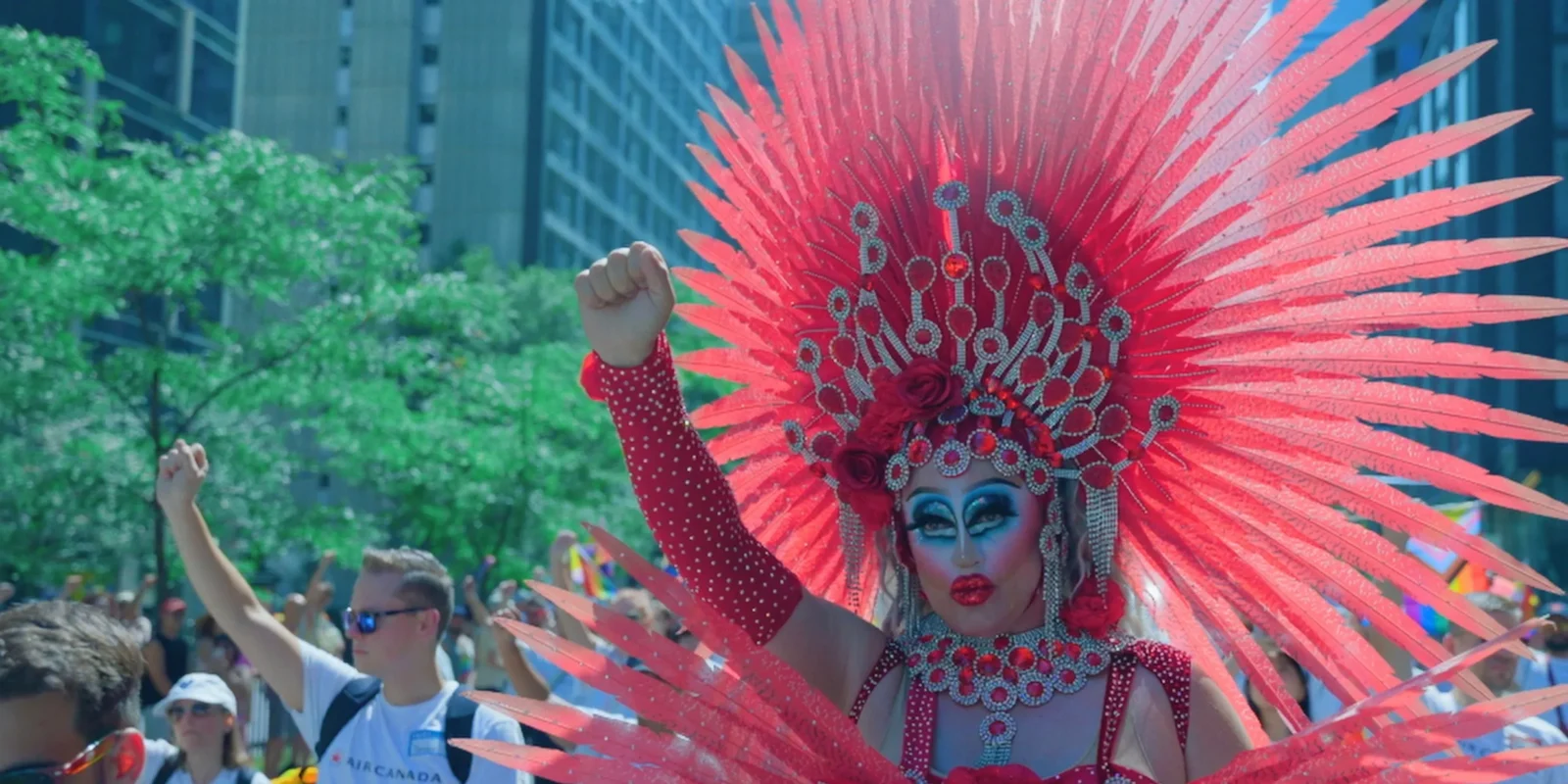
My review of Guga Paes and Cainã Souza’s D’un autre monde: Moh Dafok, a colourful, funny, and beautifully produced portrait of a Brazilian drag queen who transforms Montréal into her personal stage. Dynamic images, animation, humour, and Moh Dafok’s extraordinary charisma make the short immediately engaging, even as its promise to reveal the person behind the extravagant persona remains tantalizingly unfulfilled.
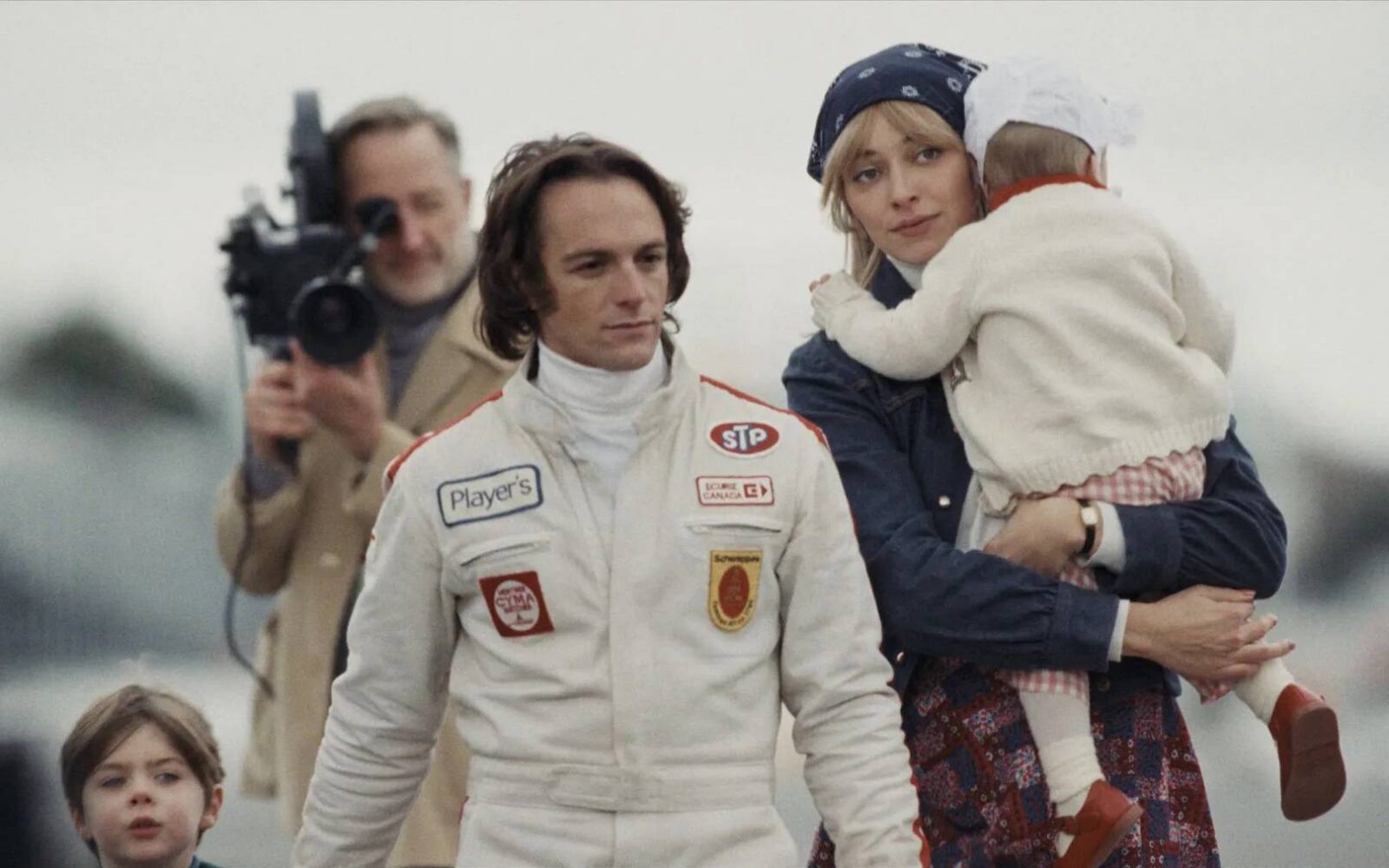
Villeneuve: The Rise of a Legend traces Gilles Villeneuve’s early years, from snowmobile racing and financial struggle to the threshold of Formula 1. Yan Lanouette Turgeon delivers a polished and accessible Quebec biopic, anchored by Rémy Goulet and Rosalie Bonenfant, even if its portrait remains more precise than psychologically adventurous.
by Hudson Moura TIFF’s Short Cuts 2026 Programme 01 brings together six films that are very different in tone and form, but…
The film’s strongest decision is to remain almost completely attached to Stan’s point of view. Rather than approaching the hospital through doctors or medical staff, as so many medical dramas do, L’autre stays with the patient’s unstable perception, shaped by a confusing mixture of fear, pain, medication, vulnerability, and anxiety. Stan is immobilized, heavily medicated, struggling to adapt to his prosthesis, and gradually becoming less certain about what is happening around him. Morphine, nightmares, hallucinations, and physical suffering begin to distort his perception, making the hospital itself increasingly difficult to read.
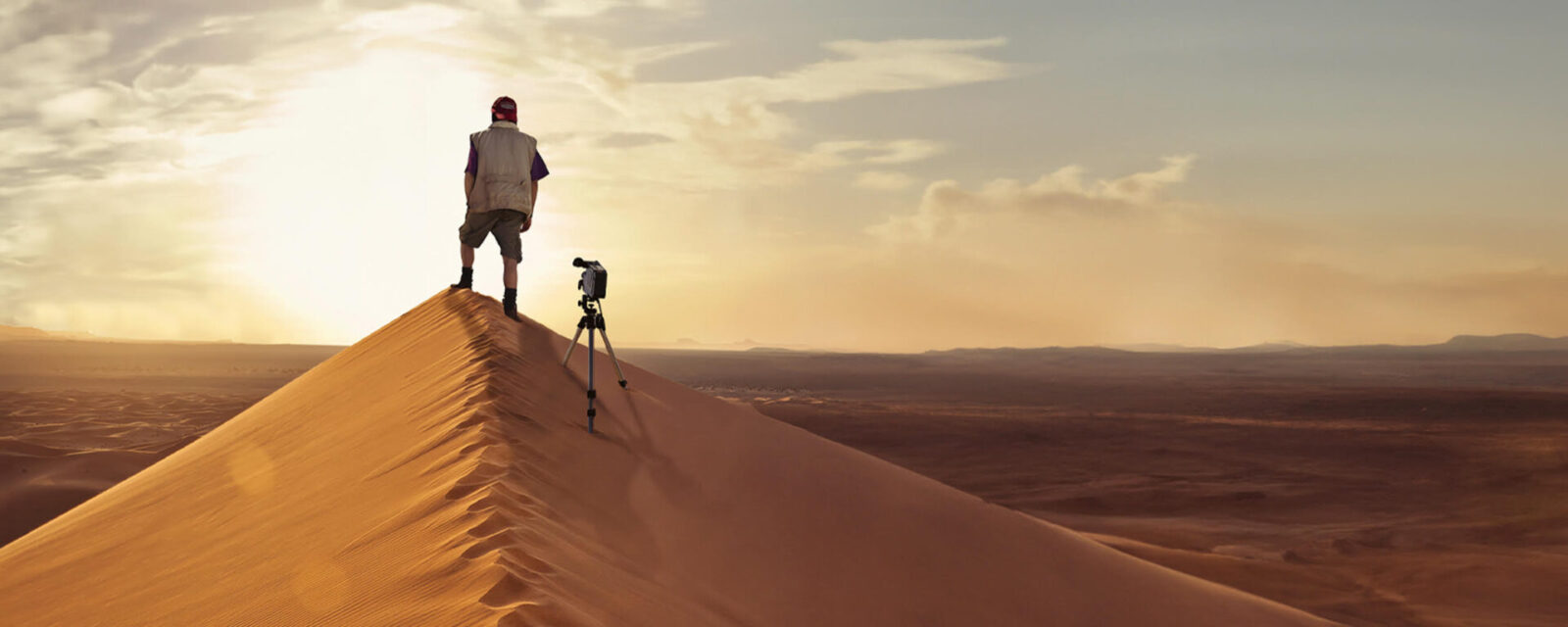
A tender, unsentimental portrait in which Calvin Liu turns his camera toward his father, a 58-year-old Chinese immigrant motel owner in Gaspésie, and lets work, habit, and landscape speak in place of speeches.
A soft, luminous midlife love story, *Montréal ma belle* (*Montreal My Beautiful*) follows Feng Xia (a superb Joan Chen), a 54-year-old Chinese immigrant in Montréal whose encounter with a younger Québécoise woman awakens long-suppressed desire and self-determination. Xiaodan He films her with rare dignity and sensuality, offering a tender love letter to both woman and city, even if the cross-cultural tensions remain more beautified than fully explored.
by Hudson Moura Throughout Peak Everything (Amour Apocalypse) Anne Émond saturates the narrative with what we could call an immanent critique of wellness:…
by Hudson Moura With Menteuse, Émile Gaudreault returns to the comic universe he knows best: ordinary Québécois characters whose small, everyday…
by Hudson Moura Co-written by director Mathieu Denis, The Cost of Heaven (Gagne ton ciel, Québec, 2025) is a taut,…
by Hudson Moura In Two Women, Chloé Robichaud offers a gently subversive and emotionally intelligent portrait of female desire, intimacy, and…
by Hudson Moura Sophie Desrape’s Shepherds (Bergers, 2024) opens with a striking juxtaposition: the immaculate whiteness of the Alpine peaks set against…
by Hudson Moura In The Hidden Woman (La femme cachée), director Bashir Bensaddek takes viewers on a deeply emotional journey, gradually revealing…
by Hudson Moura Léa Pool, one of the most esteemed directors in Quebecois cinema, returns with a powerful adaptation of…
by Hudson Moura At its core, Tell Me Why These Things Are So Beautiful (Dis-moi pourquoi les choses sont si belles) is…
by Hudson Moura Ricardo Trogi’s 1995 bursts with frenetic energy, brilliantly capturing the chaotic personality of its main character—Trogi himself—portrayed…