Netflix’ Habeas Corpus: Legal Drama in a Brazil Questioning Its Justice System

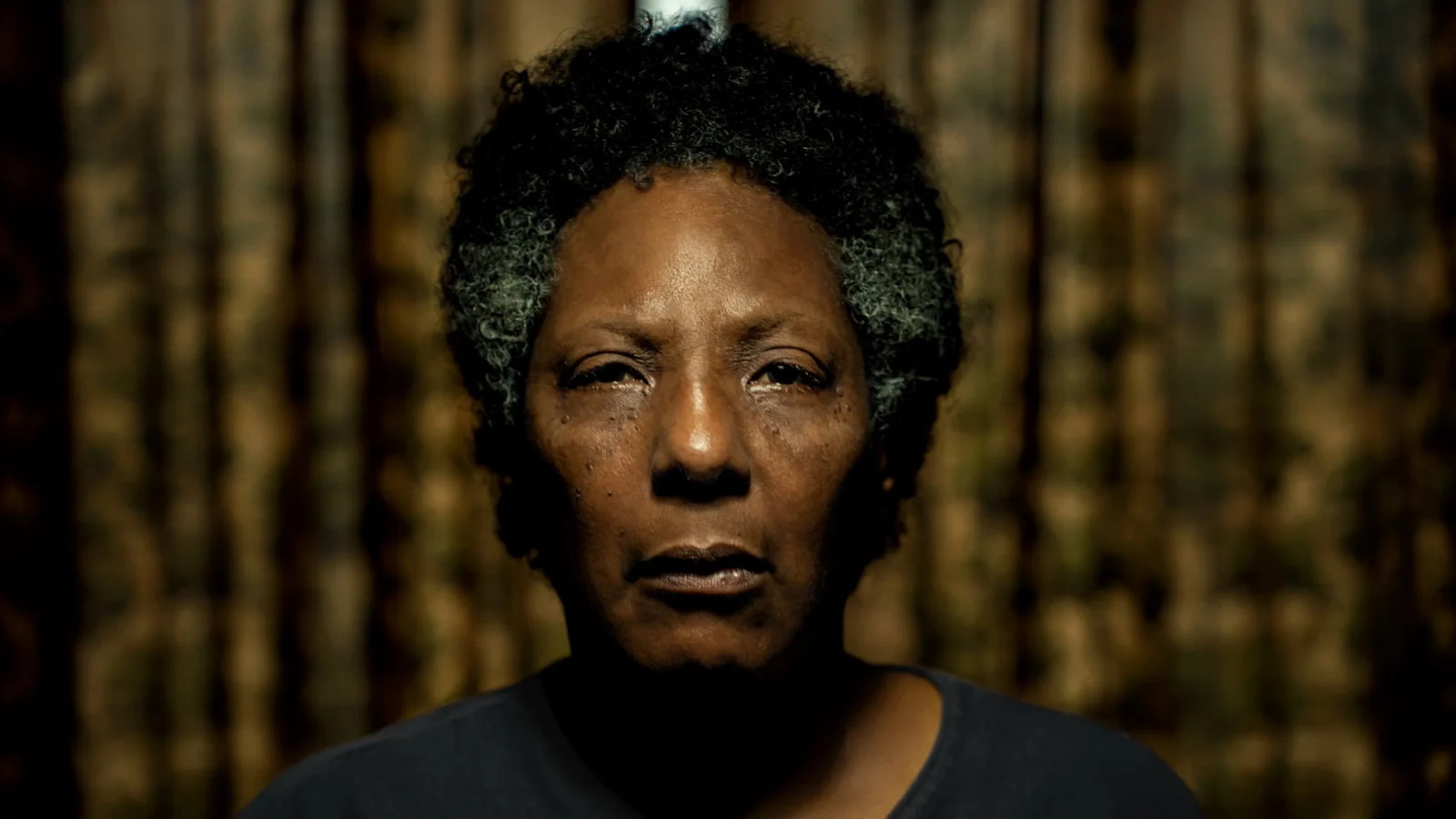
Habeas Corpus is an intense, technically efficient series with strong cultural relevance. Its greatest achievement is bringing the courtroom drama into a distinctly Brazilian context through a social issue of real urgency: wrongful convictions, procedural failures, and the fragility of trust in the justice system. That subject feels particularly timely in Brazil today, at a moment when the Supremo Tribunal Federal (STF) itself is under intense public scrutiny amid allegations, internal disputes, questions surrounding judicial conduct, and highly contentious proceedings broadcast live on television. In this context, a series about failures within the judiciary acquires a resonance that goes well beyond its individual cases: it inevitably speaks to a society increasingly questioning how justice is exercised, represented, and trusted.
Continue Reading →

TIFF26′ Possible Love: Rich in Themes, but Struggling to Build Dramatic Momentum

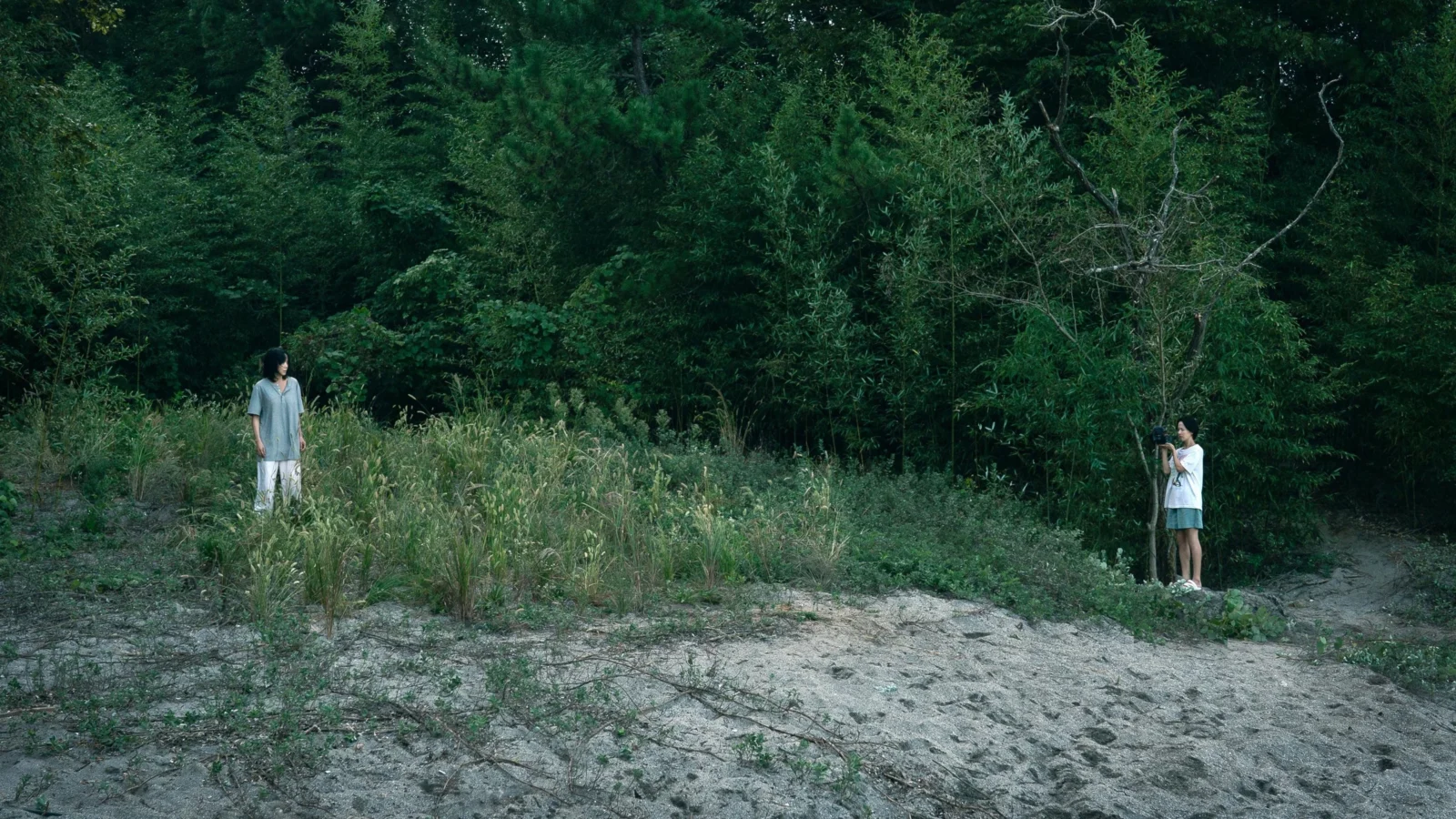
Written and directed by Lee Chang-dong, Possible Love contains many of the elements of a potentially fascinating film: class, marriage, labour conflict, trauma, envy, grief, and the uneasy relationship between private pain and public representation. Its central setup is strong. Ho-seok (Sul Kyung-gu) and Mi-ok (Jeon Do-yeon) are trying to move on from the trauma of a disastrous labour dispute when they are approached by Ye-ji (Cho Yeo-jeong), an ambitious and rich documentary filmmaker whose project gradually draws them into the orbit of her and her wealthy husband, Sang-woo (Zo In-sung).

Continue Reading →

TIFF26′ On Behalf of My Son: Grief, Guilt, and the Impossible Gesture of Asking Forgiveness

Written and directed by Gabriel Martins, On Behalf of My Son (Vicentina Pede Desculpas) begins with a deceptively simple gesture: Vicentina travels across the city, going from home to home to apologize to the families of people whose lives were destroyed by her son. From this premise, Martins constructs an extraordinarily dense drama about grief, responsibility, guilt, forgiveness, and the limits of human connection. The Portuguese title is particularly significant—Vicentina Pede Desculpas, literally “Vicentina apologizes”—because the act of asking forgiveness is not merely the narrative device that moves the film forward; it is its moral and emotional centre.

Continue Reading →

Call My Agent! The Movie: Life After ASK, with the Same Delightful Chaos

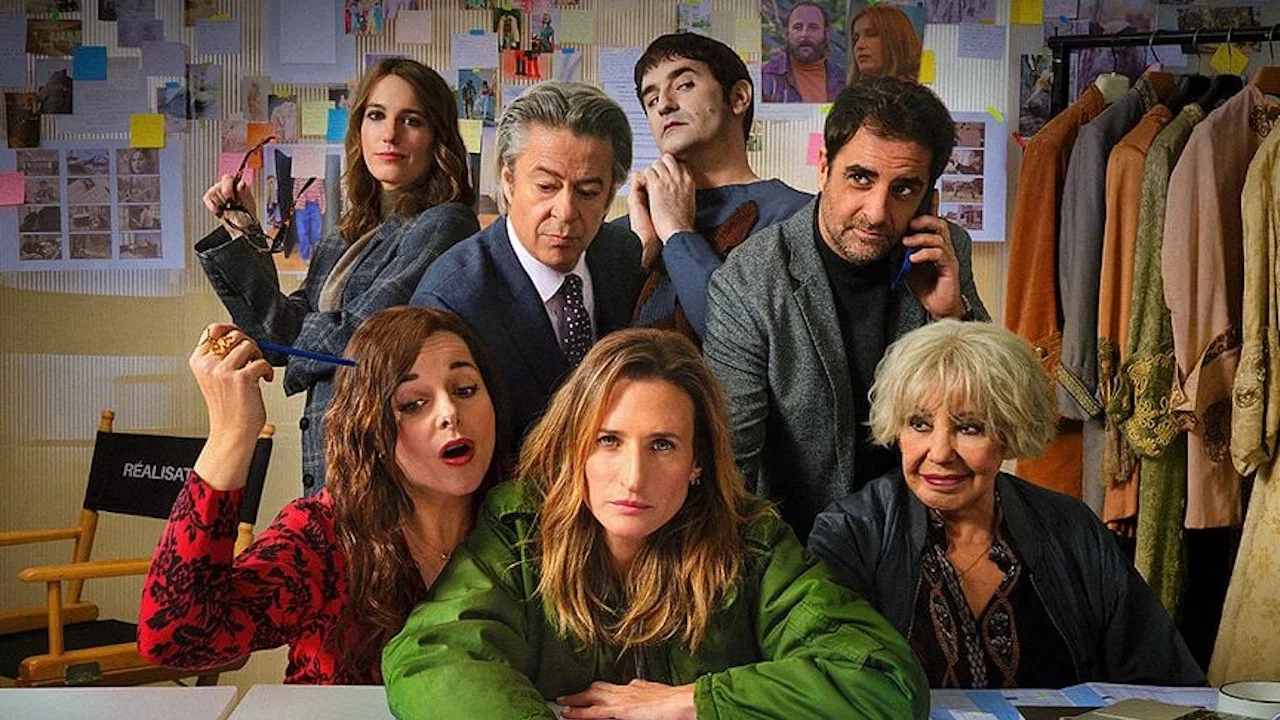
For viewers who followed Call My Agent! through its four seasons, the movie provides something deceptively simple but emotionally satisfying: an answer to the question “What happened to them after ASK?” Rather than merely exploiting nostalgia, Herrero allows the characters to continue living, failing, fighting, and reinventing themselves. The surroundings have changed, but the delightful human disorder has not.

Continue Reading →

The Last House: A Family Drama Disguised as an Apocalyptic Thriller

Louis Leterrier’s The Last House begins with a simple but unsettling premise: one rainy day, houses suddenly become sealed, trapping everyone inside. No one can leave, and no one from outside can enter. The rain itself appears to be more than a natural phenomenon, because anything the inhabitants attempt to break—walls, windows, floors—is mysteriously restored to its original state. As the days pass, Wagner Moura’s family is forced to create new routines, ration supplies, and make increasingly difficult decisions while trying to understand what has happened to the world beyond their walls.

Continue Reading →

Streaming Summer Series: Crime, Action, Desire, and Dysfunction

Across four very different streaming series, action, crime, sexuality, violence, and institutional power collide with uneven results, from the efficient adrenaline of Elite Force (GIGN) to the squandered potential of Jogada de Risco, the disturbing moral darkness of Furious, and the unfocused erotic paranoia of The Shards.

Continue Reading →

People We Meet on Vacation: a comfort-romcom that (happily) lives inside its clichés

Bader and Blyth have easy, credible chemistry—the film’s chief asset—and the travelogue structure proves a smart adaptation choice. Instead of a single melodramatic rupture, we get a collage of small decisions (missed cabs, bad rentals, inside jokes) that shows how affection actually accumulates.

Continue Reading →