POL128 · Toronto Metropolitan University
Cinema, Politics & Critical Perspectives
Cinema does more than represent political events or communicate political messages. Through images, sound, narrative, and cinematic form, films construct, negotiate, and sometimes challenge political meanings. They may reinforce dominant ideologies, question established values, or reveal contradictions within contemporary societies.
Politics & Film explores the relationships between cinema, political life, and culture across different genres, traditions, and historical contexts. From drama, documentary, and political thrillers to horror, comedy, and science fiction, the course considers how films engage with questions of power, ideology, justice, identity, representation, and social change. Rather than treating films simply as illustrations of political issues, it approaches cinema as an artistic and cultural practice in which aesthetic choices and political meanings are closely interconnected.
Analyzing Films
A central objective of the course is learning how to analyze films critically. Students are encouraged to move beyond plot summaries and personal impressions to examine how cinematography, mise-en-scène, editing, sound, and narrative shape cinematic meaning. Through screenings, readings, discussions, and academic research, they develop the analytical and writing skills necessary to formulate arguments, interpret cinematic works, and connect their observations with scholarship in film studies and political science. Particular attention is also given to the role of spectatorship and how our own experiences and perspectives influence the interpretation of films.
More on Film Analysis ↗
About the Course
For more than a decade, I have taught and continually refined my approach to Politics & Film, drawing on my interdisciplinary work in cinema, media, politics, and cultural studies. The course has evolved alongside changing cinematic, political, and cultural landscapes, incorporating new perspectives while maintaining a strong emphasis on critical film analysis, intellectual independence, and academic inquiry. At its core is a commitment to encouraging students to become thoughtful, critically engaged spectators, capable of developing informed interpretations and independent arguments about cinema and its relationship to society.
The Scope of Cinema
Across Genres, Cultures & Perspectives
Politics & Film embraces a broad and inclusive understanding of cinema, exploring films across genres, national cinemas, and cultural traditions, while engaging with diverse ethnic, racial, gender, sexual, and social identities and perspectives. From mainstream entertainment to independent and international filmmaking, the course encourages students to recognize how political and cultural meanings emerge in films well beyond those explicitly concerned with political subjects.
This selection features films offered as subjects for student essays in previous editions of Politics & Film. It does not represent the current course screening programme.
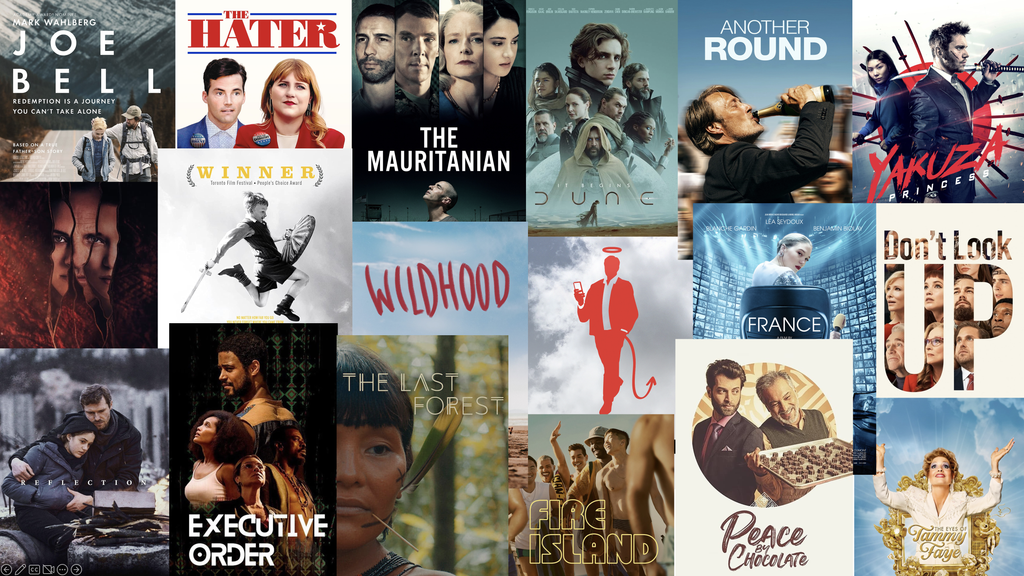
Explore Politics & Film on Letterboxd
Explore my curated selection of films engaging with politics, society, power, identity, and cultural representation across genres and national cinemas.
Explore the Politics & Film List on Letterboxd ↗
For Enrolled Students
The complete course syllabus, instructional materials, readings, screenings, assignments, and academic announcements are available exclusively through Toronto Metropolitan University’s D2L Brightspace learning platform.
Additional Student Resources
Explore additional resources on film analysis, academic writing, and scholarly research through my Teaching & Student Resources page.