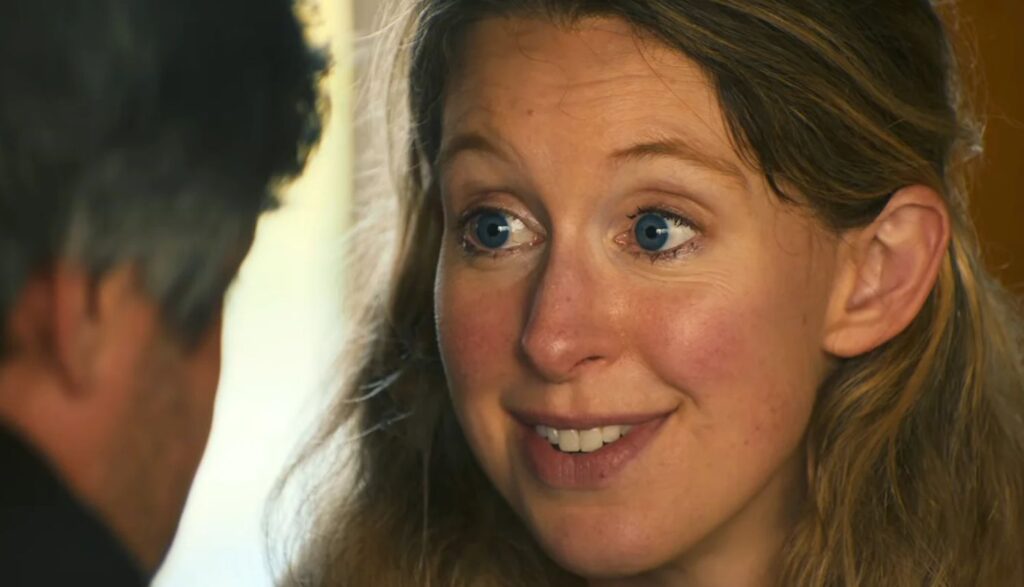
In You Can See Everything (2026), Nathan Fielder and Lance Oppenheim document Elizabeth Holmes in the final days before her imprisonment, only to turn the filmmaking process itself into the principal narrative. Through negotiations over access, consent, money, and representation, the documentary examines the unstable boundaries between authenticity and performance. Featuring Billy Evans and Amanda Seyfried, this provocative, self-reflexive work raises questions about documentary ethics, cinematic construction, and the meaning of truth. Its central paradox: seeing everything does not necessarily mean knowing what is true.