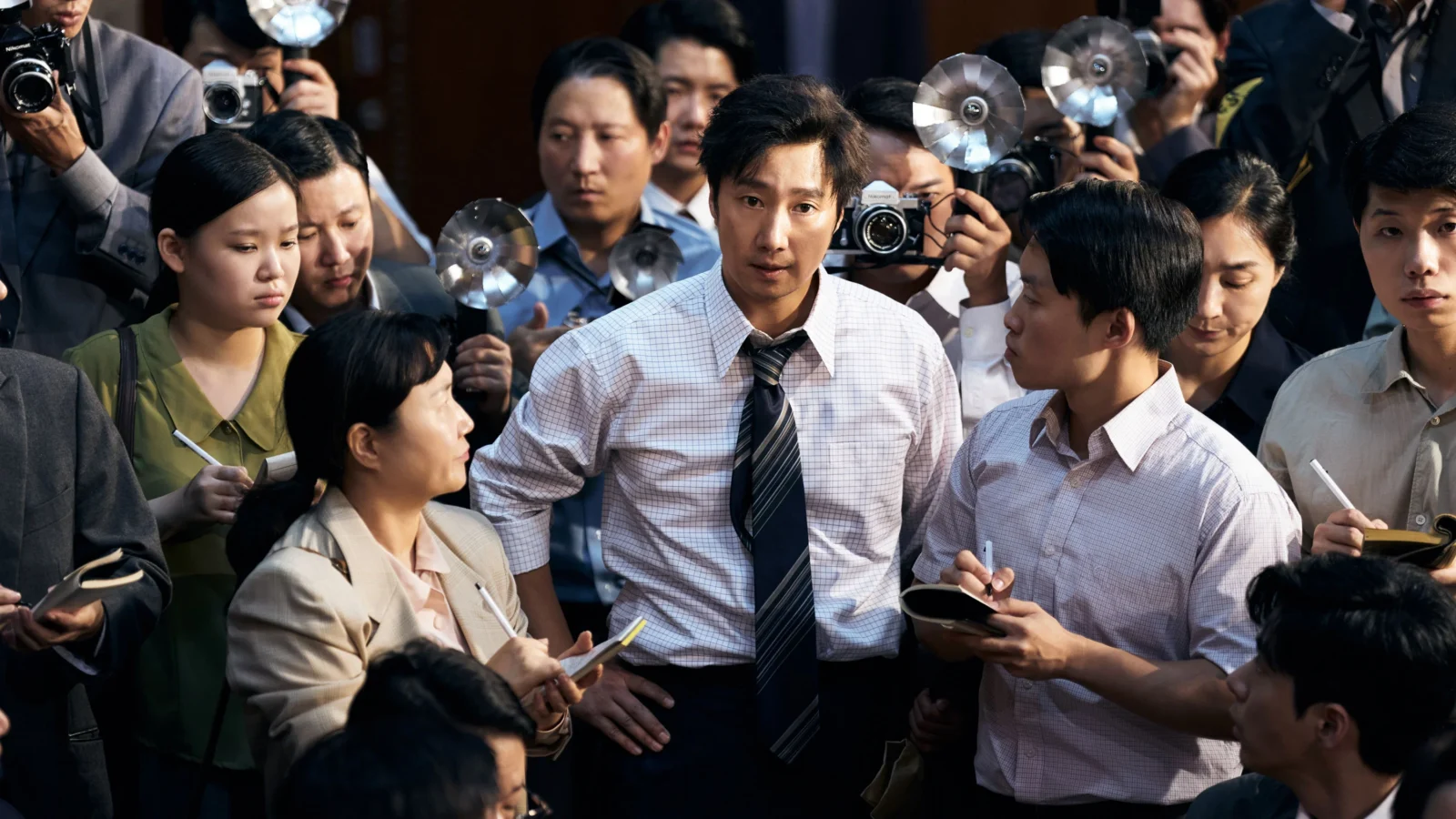
TIFF26′ The Assassin(s): A Propulsive Political Thriller About Truth Under Korean Censorship

The Assassin(s) works so well because it remains both politically ser
ious and highly entertaining. It is at once a historical drama, investigative film, action thriller, and political conspiracy story. The constant accumulation of information, the newsroom battles, the censorship, the police investigation, and the uncertainty around the assassination attempt give the film an unusually strong rhythm.
Continue Reading →

TIFF26′ The World Before: A Slow-Cinema Coming-of-Age Story That Never Finds Its Pulse

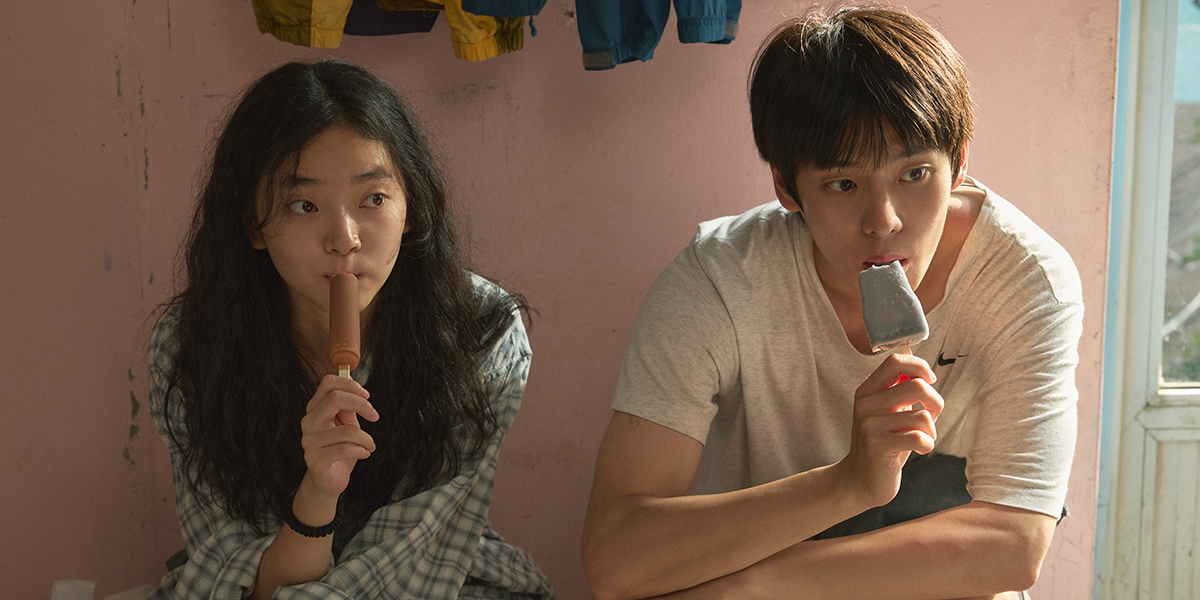
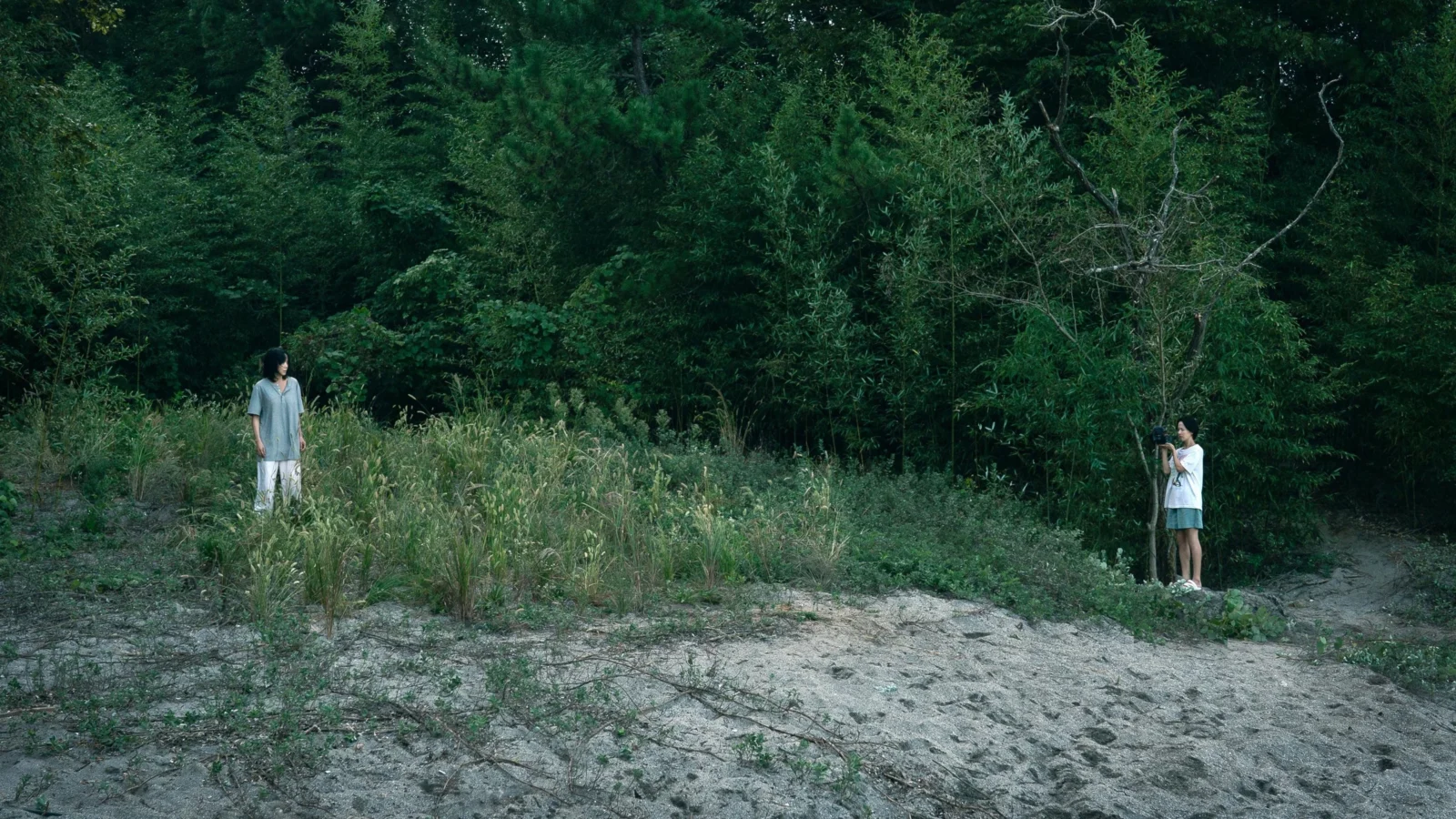
The film clearly belongs to the tradition of Slow Cinema, and at times recalls the work of Taiwanese filmmaker Tsai Ming-liang and the broader aesthetic associated with Taiwan’s Second New Wave: long durations, sparse action, quiet spaces, and a focus on everyday gestures rather than conventional plot development. But unlike the strongest examples of that tradition, The World Before never develops a sufficiently distinctive visual or emotional point of view.

Continue Reading →

TIFF26′ Possible Love: Rich in Themes, but Struggling to Build Dramatic Momentum

Written and directed by Lee Chang-dong, Possible Love contains many of the elements of a potentially fascinating film: class, marriage, labour conflict, trauma, envy, grief, and the uneasy relationship between private pain and public representation. Its central setup is strong. Ho-seok (Sul Kyung-gu) and Mi-ok (Jeon Do-yeon) are trying to move on from the trauma of a disastrous labour dispute when they are approached by Ye-ji (Cho Yeo-jeong), an ambitious and rich documentary filmmaker whose project gradually draws them into the orbit of her and her wealthy husband, Sang-woo (Zo In-sung).

Continue Reading →