Ba’s Book: Reenacting Memory, Confronting Family Silence

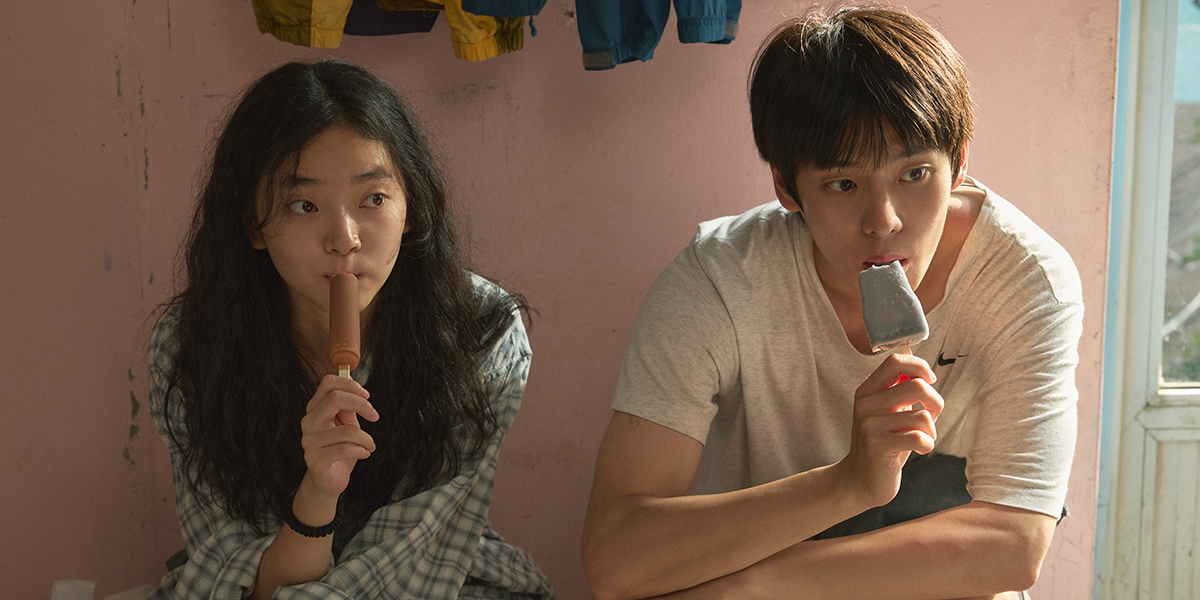
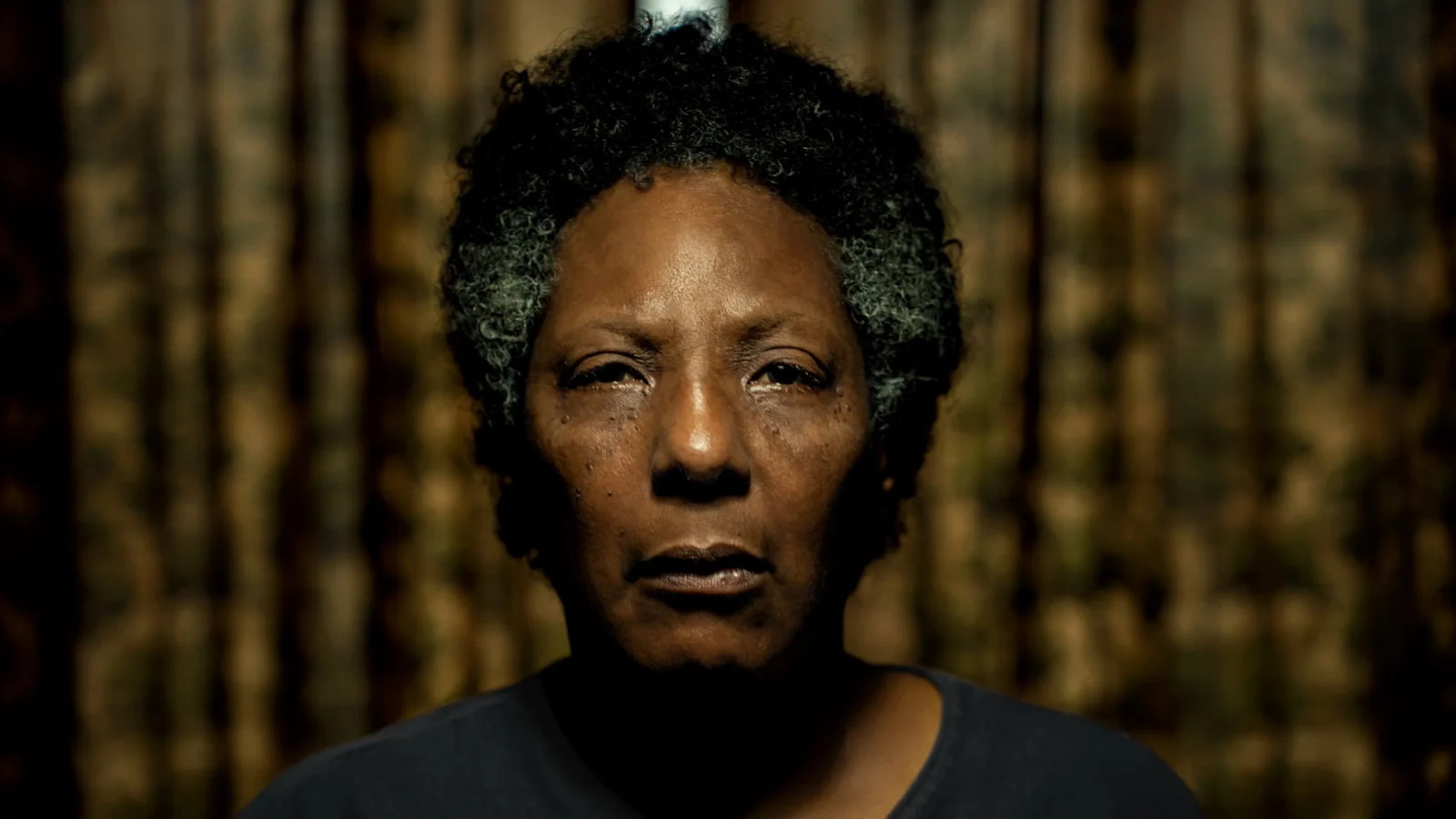
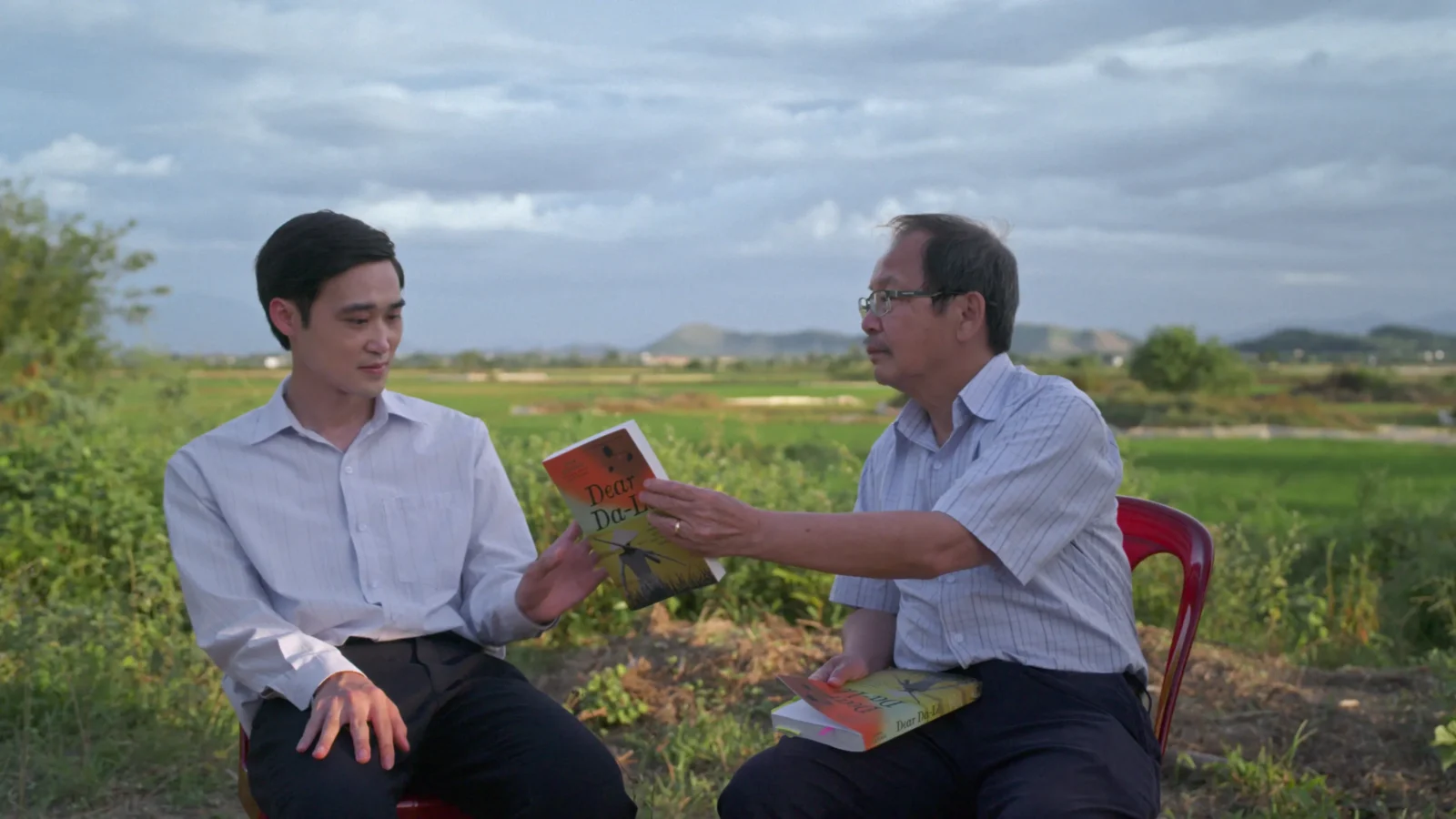
In Ba’s Book (2026), filmmaker Ashley Da-Lê Duong returns to Vietnam with her father to reconstruct a family history marked by war, exile, and silence. Combining documentary footage, archival images, and dramatized reenactments, the film transforms a father’s memoir into an intimate exploration of memory and intergenerational communication. Although its historical context remains limited, its innovative approach to reconstructing the past is particularly compelling. Opening Night Gala at the 30th Toronto Reel Asian International Film Festival.
Rating: 4.5/5
Enjoyed this review? Share it with others.

Continue Reading →

The Only Living Pickpocket in New York: A Petty Crook Out of His Depth

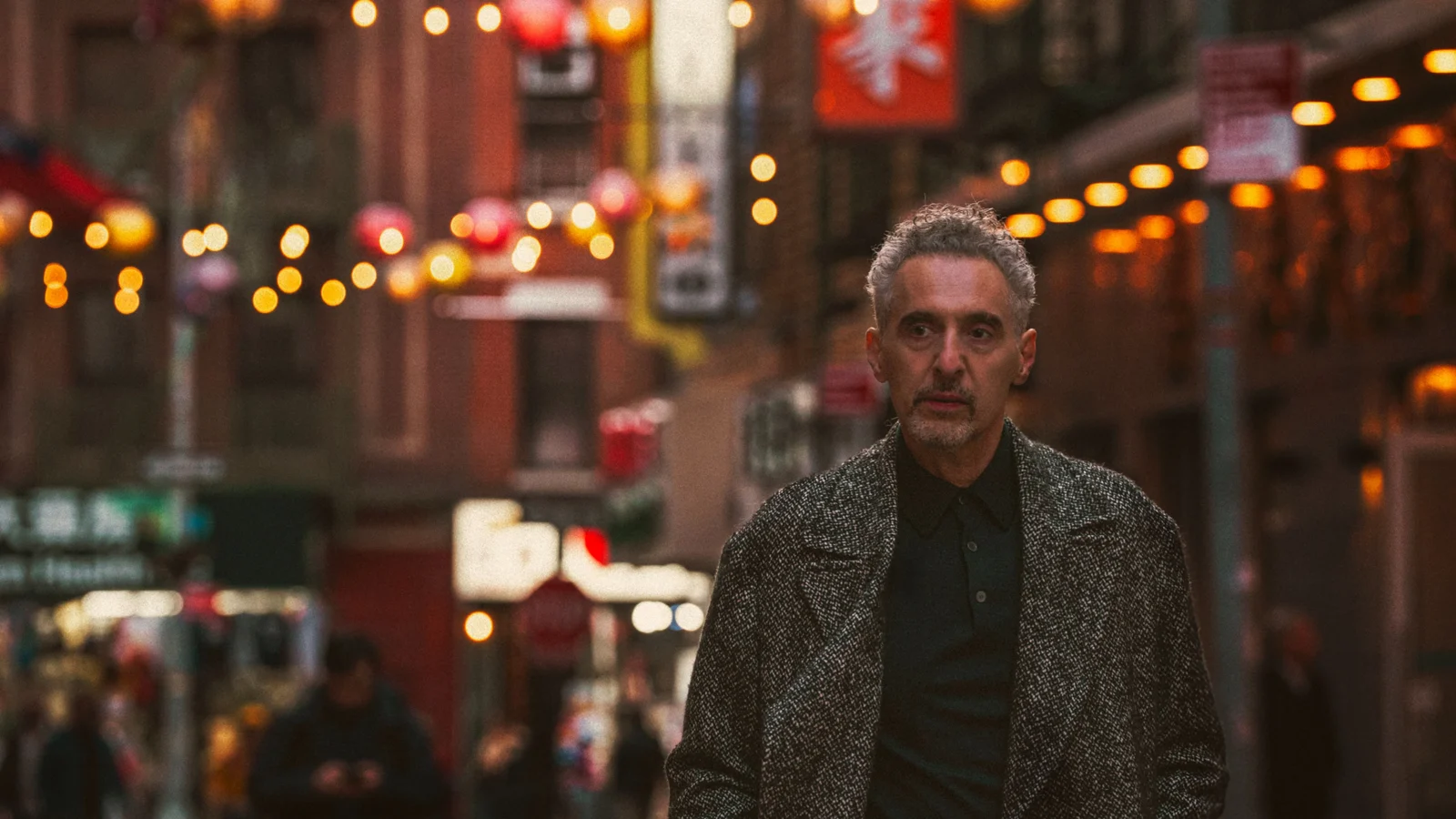
John Turturro plays an aging New York pickpocket whose mastery of petty crime is tested when a routine theft draws him into a far more dangerous world. In Noah Segan’s The Only Living Pickpocket in New York, an increasingly outdated profession, complicated family relationships, and the city’s underground economy come together in a character study that proves more compelling than its conventional crime-thriller plot.
Rating: 4/5

Enjoyed this review? Share it with others.

Continue Reading →

TIFF2026 Film Reviews, Discoveries, Disappointments, and the Festival Experience

Several films emerged as major highlights, particularly Fjord, Elsinore, On Behalf of My Son, Soumsoum, A Good Little Soldier, Minotaur, Coward, and Bitter Christmas. The festival’s audience awards also intersected closely with my coverage: La Bola Negra received the People’s Choice Award, while Elsinore won the International People’s Choice Award, with Possible Love and The Assassin(s) recognized as runners-up. The success of two films centred on gay lives and histories was particularly meaningful, reflecting the openness of Toronto audiences to queer stories told through very different cinematic and historical perspectives.

Enjoyed this review? Share it with others.

Continue Reading →

TIFF26′ La Gradiva: Excavating Desire in Pompeii

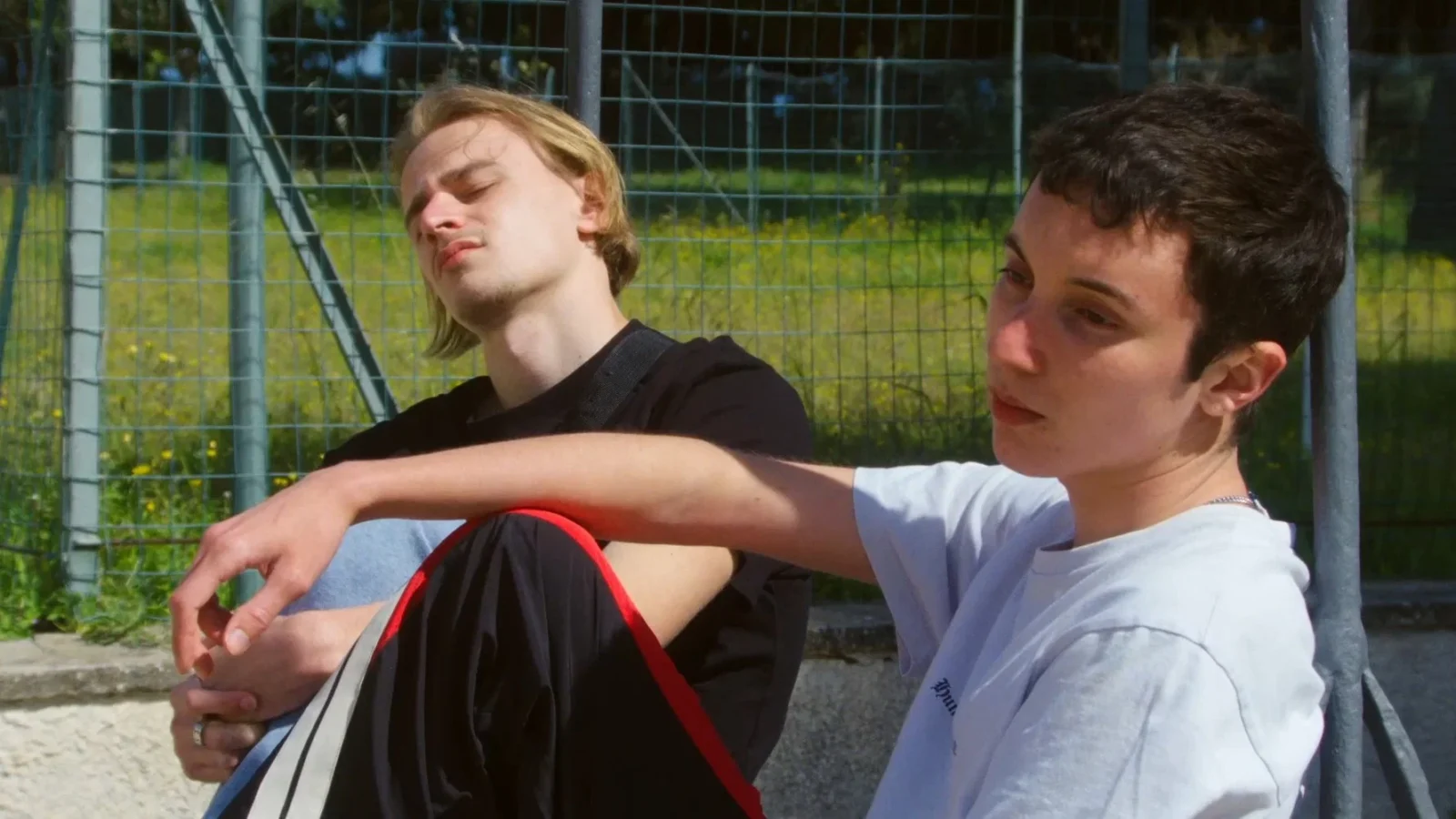
La Gradiva follows French high-school students in Pompeii as buried desires, family histories, sexual tensions, and questions of identity surface among the ruins. Marine Atlan transforms archaeology into a powerful metaphor for adolescence and repression.

Enjoyed this review? Share it with others.

Continue Reading →

TIFF26′ Villeneuve: The Rise of a Legend: A Precise but Conventional Portrait of a Quebec Racing Icon

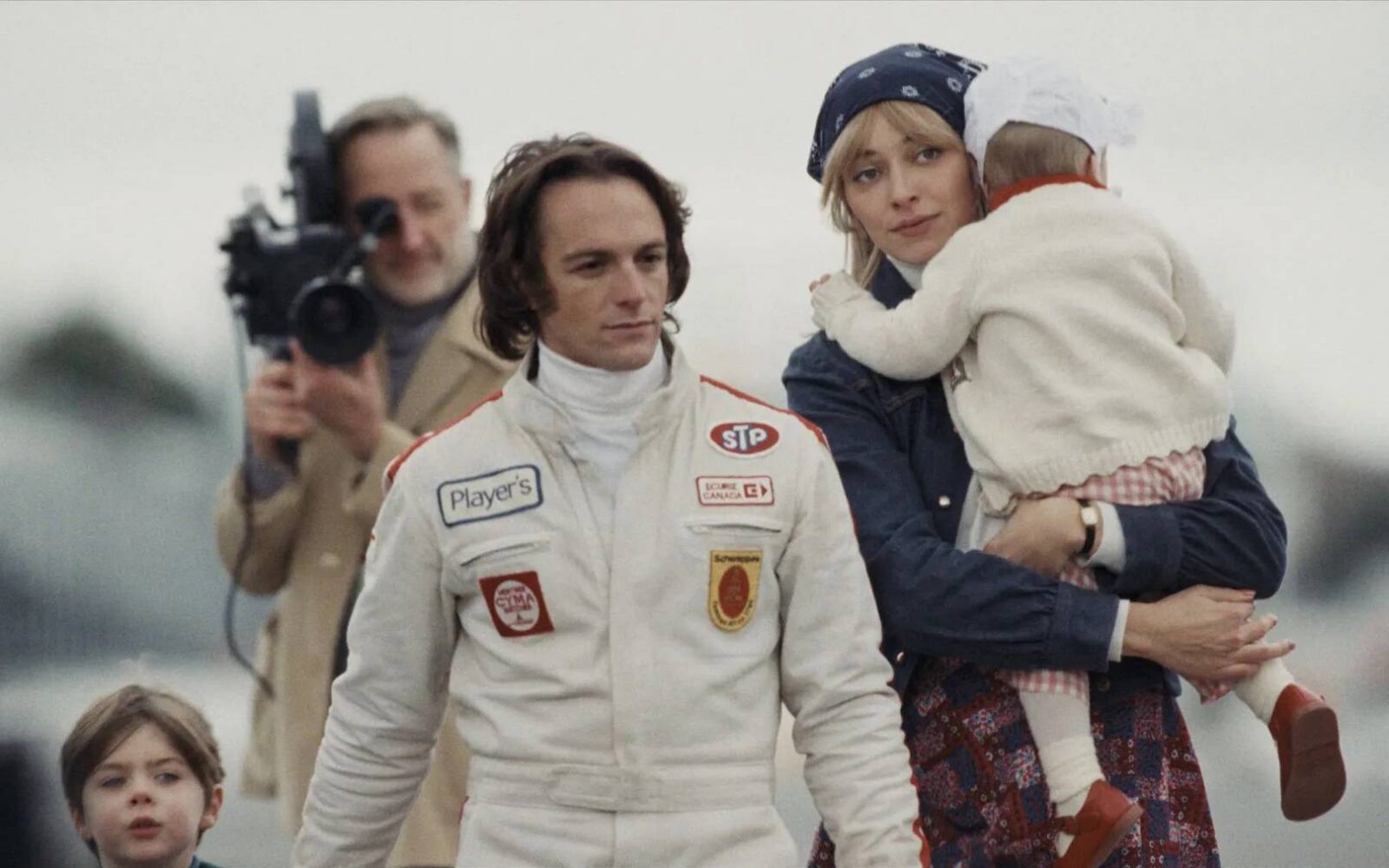
Villeneuve: The Rise of a Legend traces Gilles Villeneuve’s early years, from snowmobile racing and financial struggle to the threshold of Formula 1. Yan Lanouette Turgeon delivers a polished and accessible Quebec biopic, anchored by Rémy Goulet and Rosalie Bonenfant, even if its portrait remains more precise than psychologically adventurous.

Enjoyed this review? Share it with others.

Continue Reading →

TIFF26′ Trees Are Watching by Bahman Ghobadi: A Striking Environmental Horror of Memory, Trauma, and Revenge

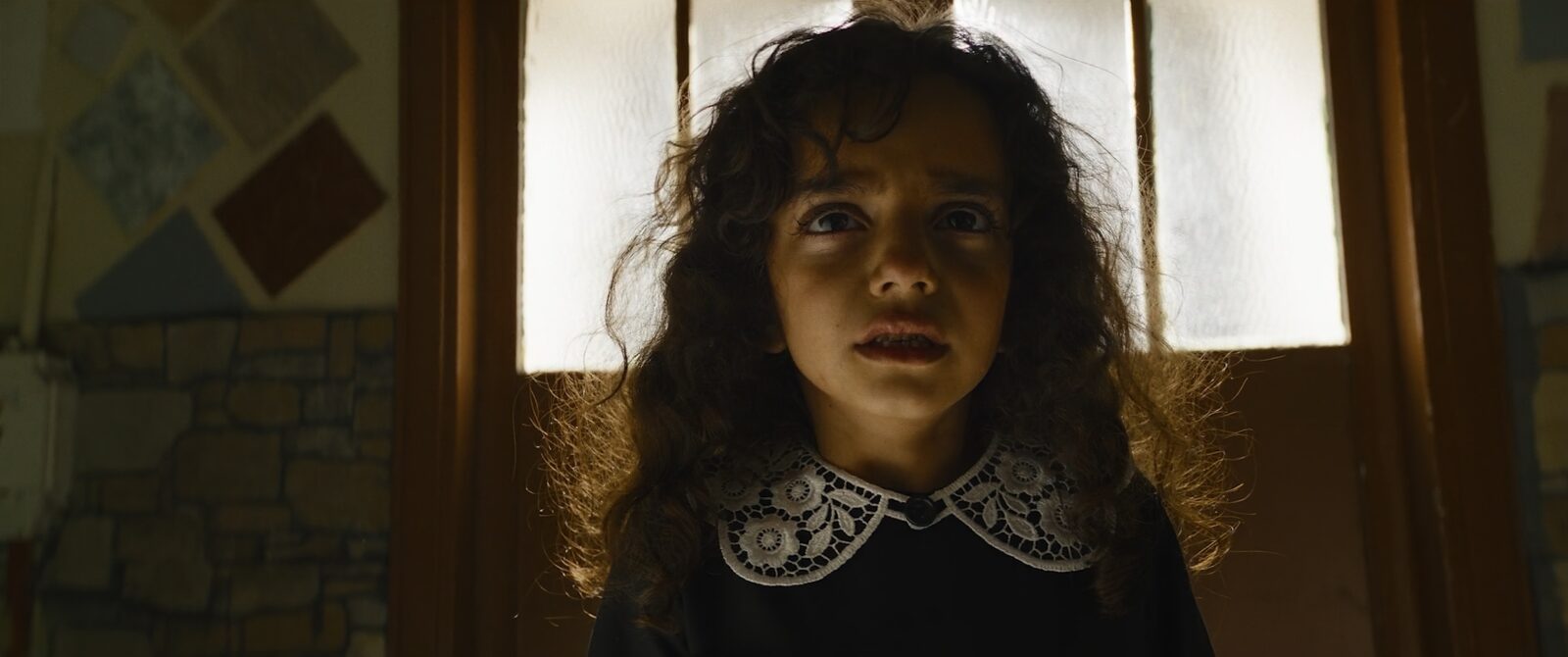
My review of Bahman Ghobadi’s *Trees Are Watching*, a striking environmental horror film starring Eva Green and set in Mardin, Turkey. Blending supernatural beliefs, family trauma, and ecological destruction, the film imagines trees as guardians of the dead and repositories of cultural memory, raising the unsettling possibility that nature might eventually retaliate against human violence. Drawing on Ghobadi’s reflections at TIFF 2026, I explore how his film transforms the conventions of supernatural horror into a disturbing fable about environmental destruction, inherited trauma, and the fragile relationship between humanity and the natural world.

Enjoyed this review? Share it with others.

Continue Reading →

TIFF26′ The Assassin(s): A Propulsive Political Thriller About Truth Under Korean Censorship

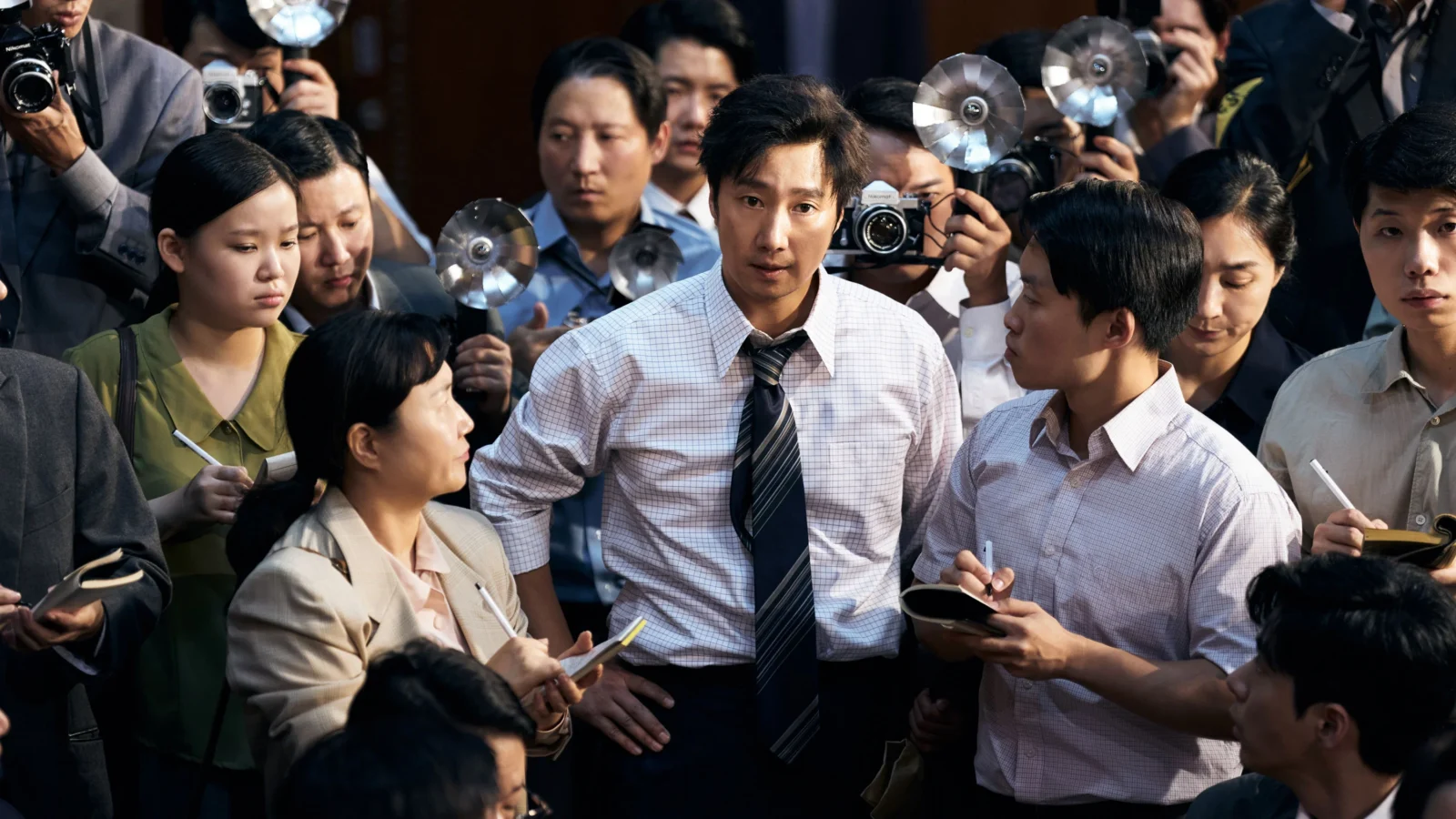
The Assassin(s) works so well because it remains both politically ser
ious and highly entertaining. It is at once a historical drama, investigative film, action thriller, and political conspiracy story. The constant accumulation of information, the newsroom battles, the censorship, the police investigation, and the uncertainty around the assassination attempt give the film an unusually strong rhythm.

Enjoyed this review? Share it with others.

Continue Reading →

TIFF26′ The World Before: A Slow-Cinema Coming-of-Age Story That Never Finds Its Pulse

The film clearly belongs to the tradition of Slow Cinema, and at times recalls the work of Taiwanese filmmaker Tsai Ming-liang and the broader aesthetic associated with Taiwan’s Second New Wave: long durations, sparse action, quiet spaces, and a focus on everyday gestures rather than conventional plot development. But unlike the strongest examples of that tradition, The World Before never develops a sufficiently distinctive visual or emotional point of view.

Enjoyed this review? Share it with others.

Continue Reading →

TIFF26′ Soumsoum, the Night of the Stars: An Oral Fable Masterfully Transposed to the Screen

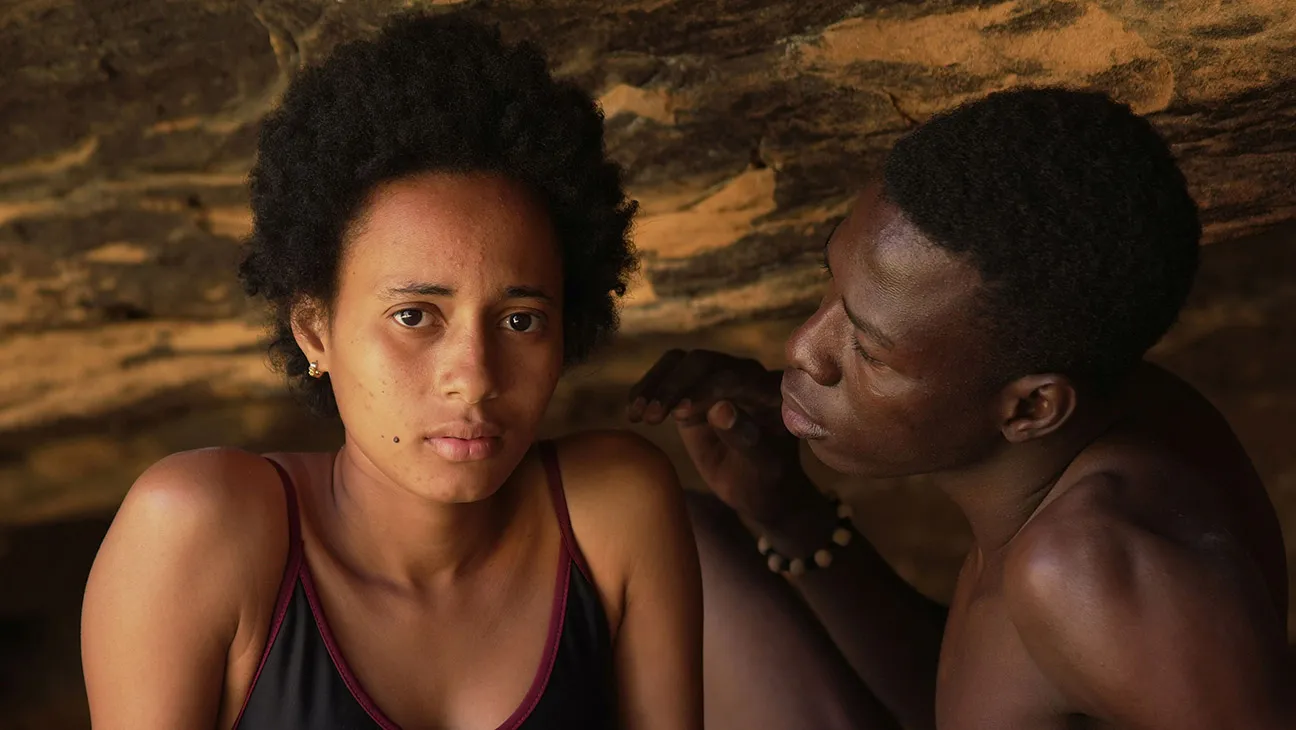
My review of Mahamat-Saleh Haroun’s *Soumsoum, the Night of the Stars*, a remarkably beautiful and fluid Chadian film that transforms African oral traditions, ancestral knowledge, and spirituality into an extraordinary cinematic experience. Through Kellou, a young woman confronting prejudice and patriarchal authority, the film explores the intimate connections between nature, the living, the dead, and the invisible world. Rich in cultural memory and poetic imagery, *Soumsoum* masterfully brings together mythology, contemporary social concerns, and inherited wisdom without ever becoming didactic, revealing the extraordinary expressive possibilities of cinema.

Enjoyed this review? Share it with others.

Continue Reading →

TIFF26′ Djinn Wedding: A Fragmented Family Curse Lost Between Tradition and Mystery

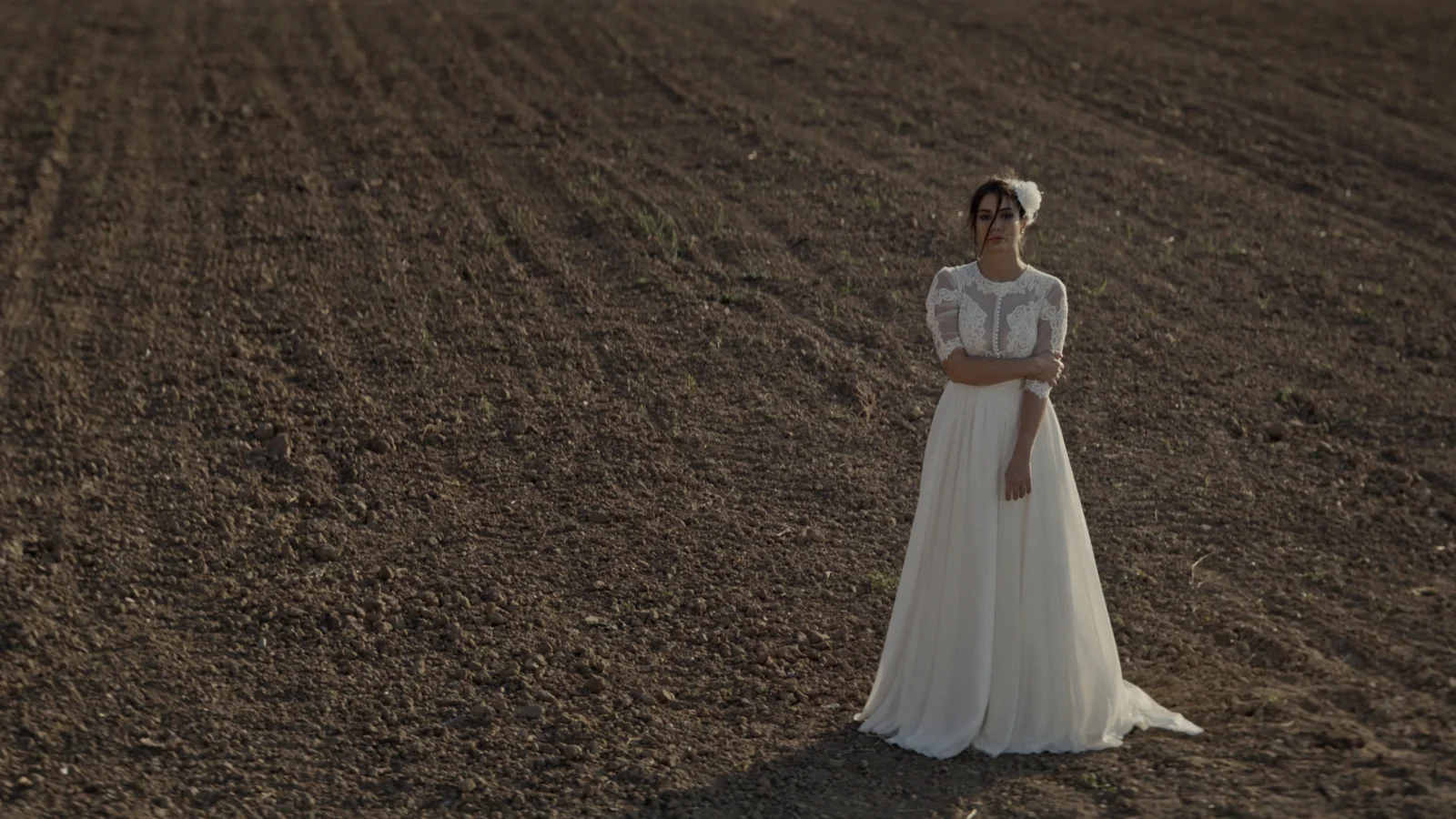
My review of Ferit Karahan’s *Djinn Wedding*, an ambitious Turkish family drama that combines Anatolian folklore, patriarchal traditions, and magical realism in a story of inherited trauma and buried family secrets. Set against striking mountainous landscapes and unfolding across three periods in the lives of four siblings, the film explores marriage rituals, family obligations, and a mysterious curse. Yet despite its powerful imagery and intriguing symbolism, abrupt narrative transitions and unresolved dramatic threads frequently undermine its emotional impact, creating a film whose mysteries are often more frustrating than illuminating.

Enjoyed this review? Share it with others.

Continue Reading →

TIFF26′ A Long Winter: Beautifully Made, Dramatically Familiar

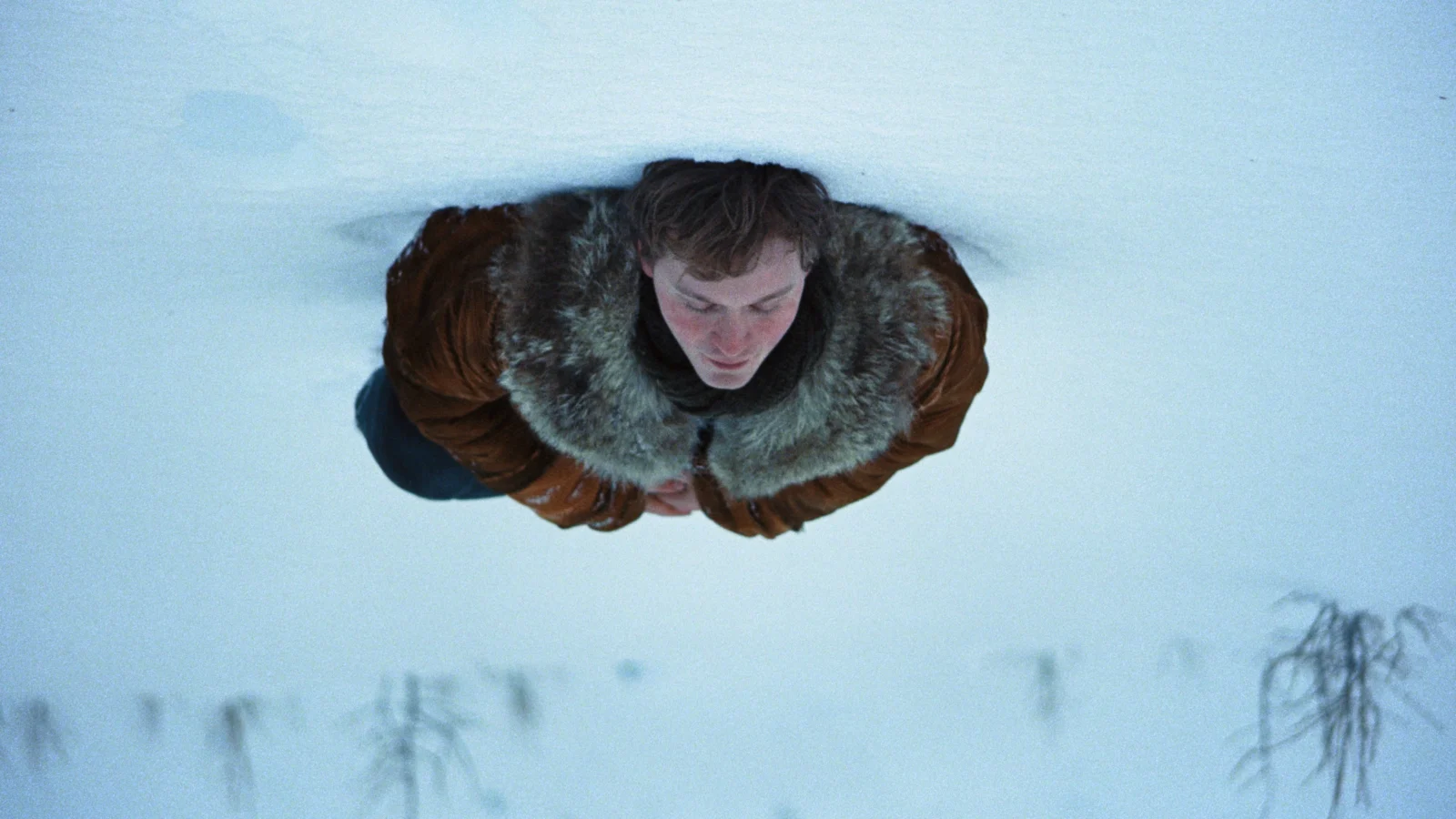
My review of Andrew Haigh’s *A Long Winter*, a beautifully crafted but dramatically conventional family drama set in Colorado and filmed in the Canadian Rockies. Starring Fred Hechinger, Caitríona Balfe, Ebon Moss-Bachrach, and Kit Connor, the film follows a young man searching for his missing mother as her absence exposes the emotional fractures within his family. André Turpin’s extraordinary cinematography transforms the snowy mountains into an expressive landscape of loneliness, memory, and longing. Yet despite its accomplished production, sensitive performances, and visual elegance, the film’s familiar narrative and overly insistent soundtrack prevent it from achieving the emotional intensity its setting promises.

Enjoyed this review? Share it with others.

Continue Reading →

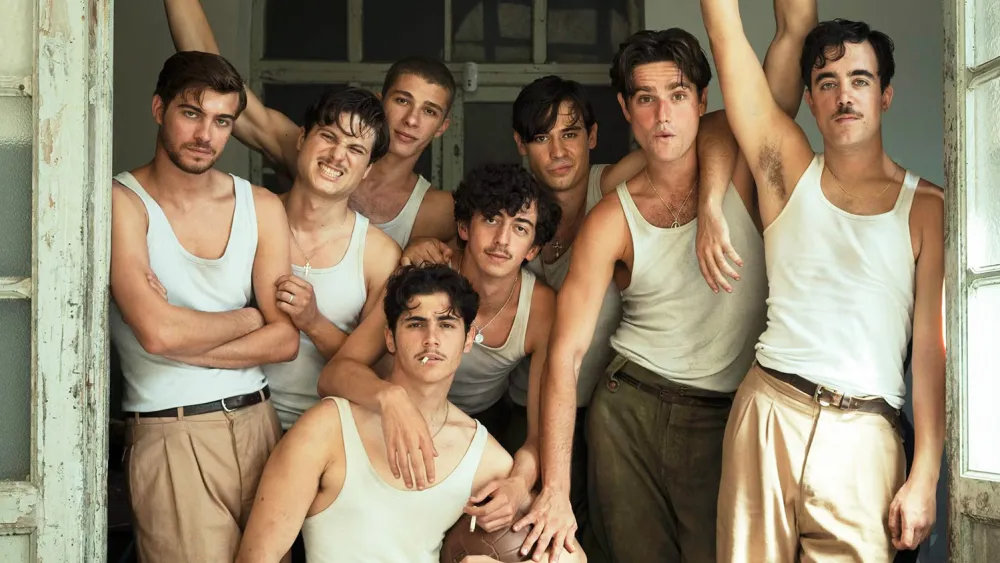
TIFF26′ La Bola Negra: A Visually Ambitious Queer History Still Trapped in Familiar Tragedy

My review of Javier Calvo and Javier Ambrossi’s *La Bola Negra*, a visually audacious Spanish film exploring nearly a century of queer history through poetry, theatre, cinema, and cultural memory. Its elaborate mise-en-scène and ambitious structure create a powerful tribute to generations whose lives and desires were shaped by repression and silence. Yet the film’s fragmented storytelling sometimes undermines its emotional impact, while its representation of homosexuality remains largely confined to suffering and tragedy. Despite its impressive artistic achievements and enthusiastic reception at TIFF 2026, *La Bola Negra* is a film I admire more for how it tells its story than for the story it ultimately chooses to tell.

Enjoyed this review? Share it with others.

Continue Reading →

TIFF26′ On Behalf of My Son: Grief, Guilt, and the Impossible Gesture of Asking Forgiveness

My review of Gabriel Martins’ *On Behalf of My Son* (*Vicentina Pede Desculpas*), an extraordinarily moving Brazilian drama about grief, responsibility, and the limits of forgiveness. Featuring a remarkable performance by Rejane Faria, the film follows a mother who travels across the city to apologize to families devastated by her son’s actions. Through intimate encounters, restrained performances, and a striking contrast between urban noise and personal suffering, Martins creates a powerful meditation on guilt, human connection, and the impossibility of repairing certain tragedies. Premiering at TIFF 2026, the film transforms the simple act of asking forgiveness into an emotionally profound cinematic experience.

Enjoyed this review? Share it with others.

Continue Reading →

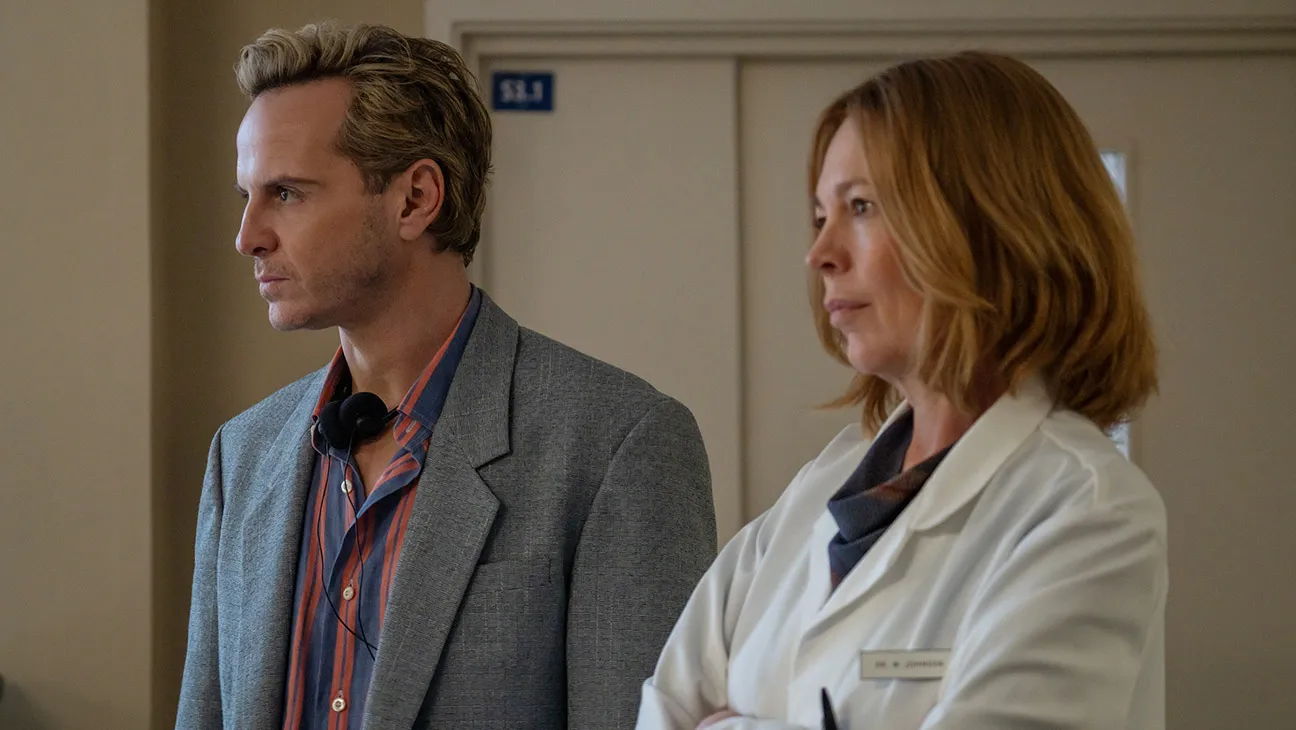
TIFF26′ Elsinore: Choosing Life in the Shadow of Death

My review of Simon Stone’s *Elsinore*, one of the most moving films at TIFF 2026, featuring an extraordinary performance by Andrew Scott as Scottish actor Ian Charleson. Facing the final stages of AIDS, Charleson chooses to perform Hamlet rather than allow illness to define his remaining life. Combining humour, theatrical camaraderie, queer history, and emotional restraint, the film explores artistic creation as an affirmation of existence. With an outstanding ensemble, including Olivia Colman, *Elsinore* offers a profoundly human portrayal of mortality that celebrates life without diminishing the tragedy of the AIDS epidemic.

Enjoyed this review? Share it with others.

Continue Reading →

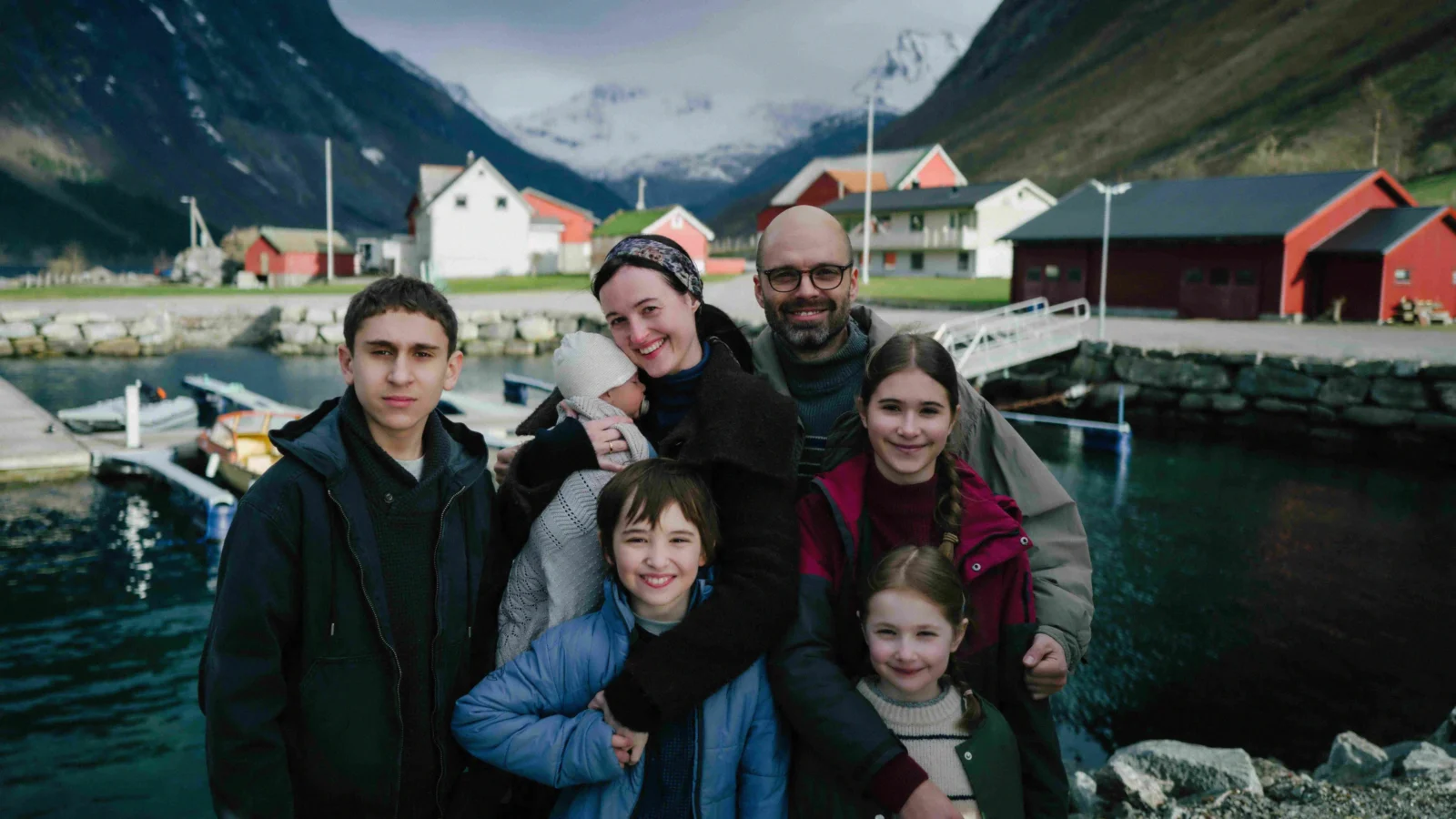
TIFF26′ Fjord: Intolerance, Beliefs, and the Cold Machinery of Social Judgment

My review of Cristian Mungiu’s *Fjord*, a politically provocative and remarkably restrained drama starring Sebastian Stan and Renate Reinsve. Set in Norway, the film follows a Romanian-Norwegian family confronting child-protection authorities as religious beliefs, cultural traditions, and competing moral convictions collide. Through its deliberately observational style and procedural narrative, Mungiu examines the limits of tolerance in societies that consider themselves progressive, questioning how institutional authority can transform disagreement into exclusion. Intellectually challenging and emotionally restrained, *Fjord* refuses easy moral judgments, inviting audiences to confront the uncomfortable complexity of cultural differences, parental authority, and the necessity of dialogue.

Enjoyed this review? Share it with others.

Continue Reading →

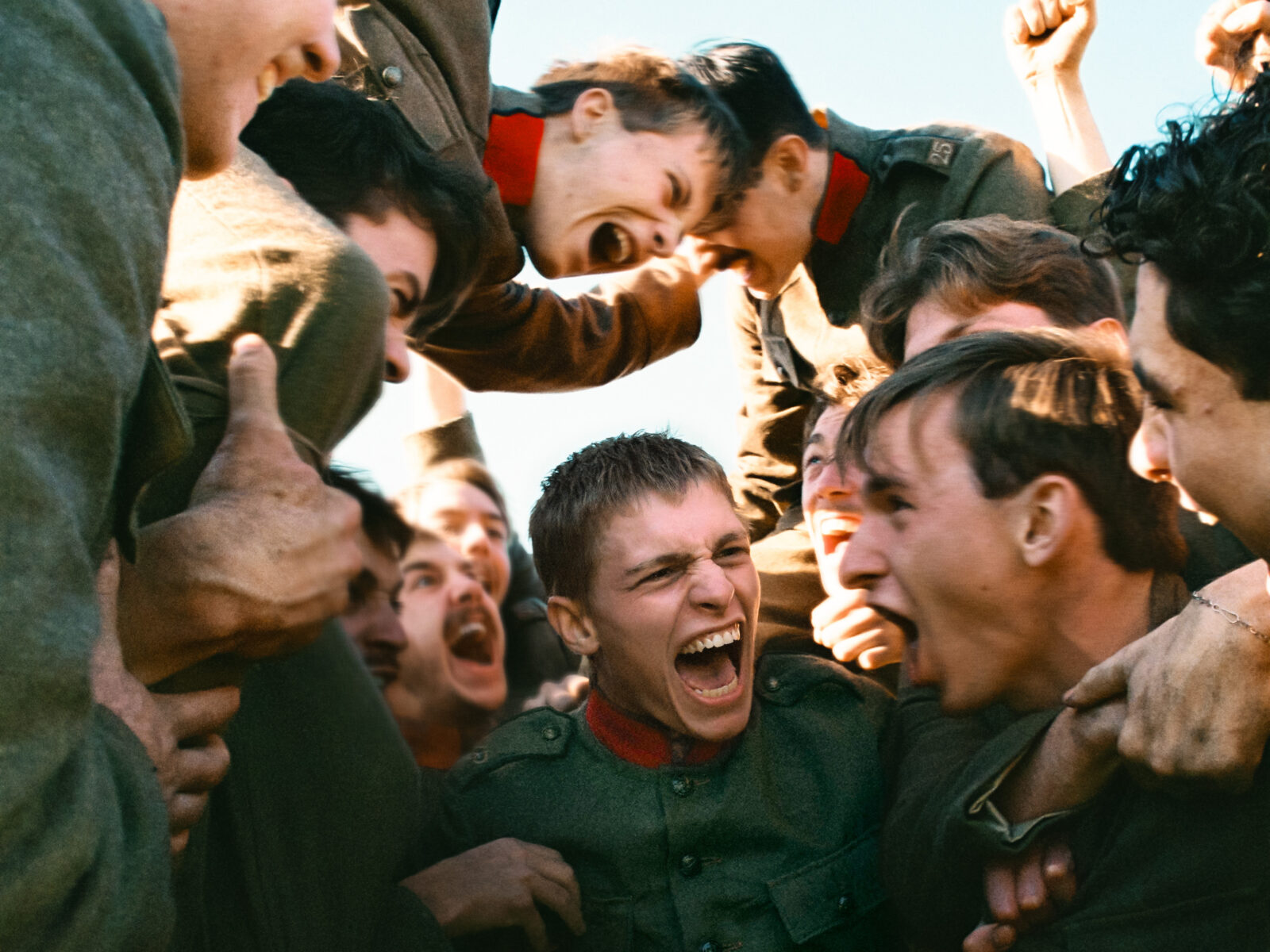
TIFF26′ Coward: A Profoundly Moving Love Story Behind the Front

The film is extraordinarily moving because it rarely gives the viewer emotional distance. The camera remains close to the characters, and the performances are remarkably strong: Emmanuel Macchia as Pierre and Valentin Campagne as Francis, who jointly received the Best Actor award at Cannes 2026, anchor the film with an intense and affecting chemistry. Around them, the story moves through a continuous series of emotional shifts—fear, tenderness, humour, desire, grief, and brief moments of freedom. The ensemble surrounding Pierre and Francis is especially effective, giving the world of the camp an intensity that often feels like a film within the film.

Enjoyed this review? Share it with others.

Continue Reading →