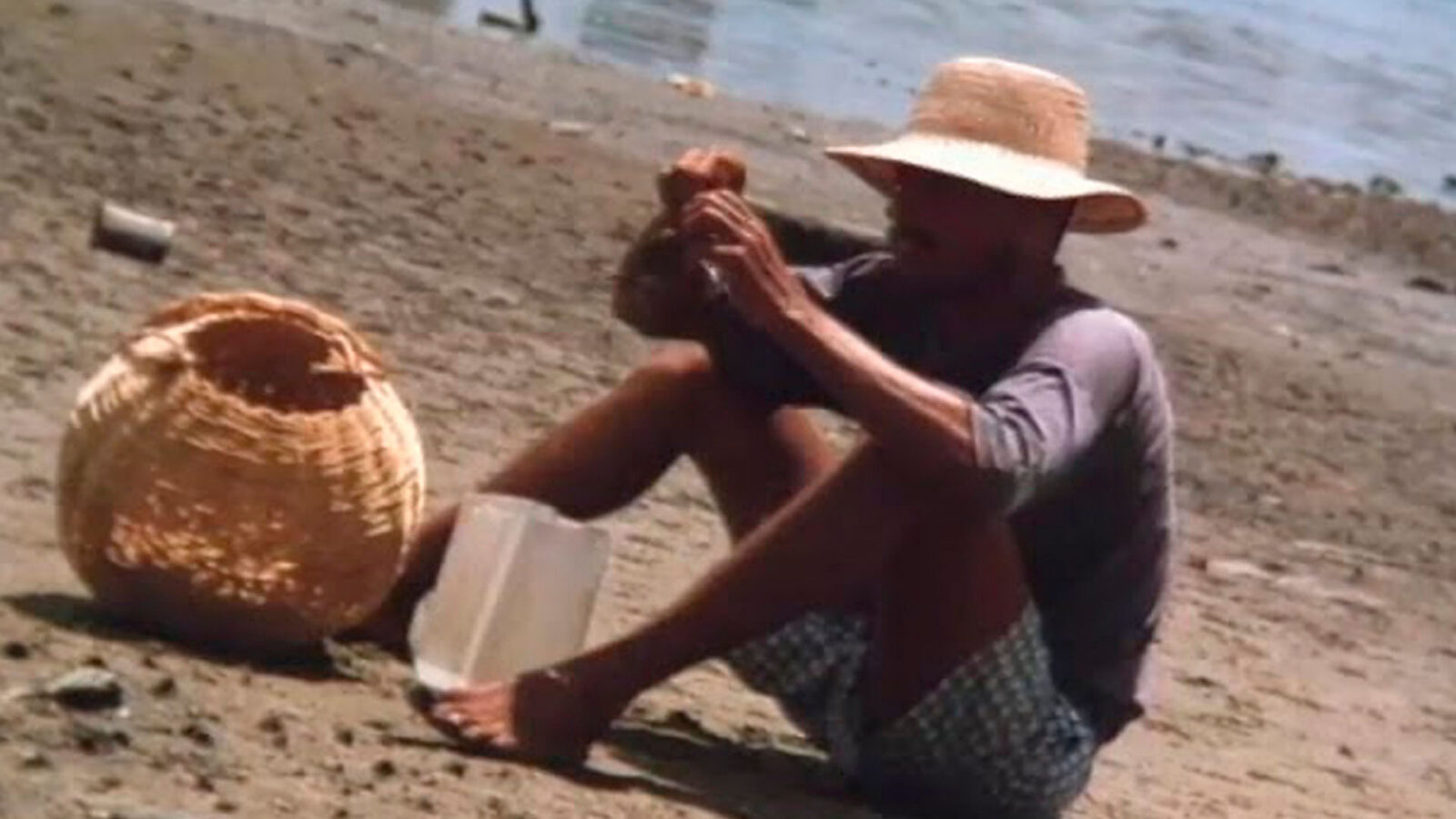
My review of Kátia Mesel’s Recife de Dentro pra Fora (1997), a remarkably beautiful short film that transforms the Capibaribe River into a poetic portrait of Recife’s cultural identity, social inequalities, and environmental struggles. Inspired by João Cabral de Melo Neto’s O Cão sem Plumas, the film brings together powerful imagery, poetry, and the voices of Geraldo Azevedo, Elba Ramalho, and Zé Ramalho. Recently restored in 4K and presented at the Brazil Film Fest Toronto 2026, the film stands as both a declaration of love for Recife and an important work of Pernambuco’s cinematic and cultural memory.

My review of Allan Deberton’s *Gugu’s World (Feito Pipa)*, a delicate and moving coming-of-age drama set in the dry landscapes of Ceará, Brazil. With an extraordinary performance by Yuri Gomes, the film introduces a boy whose exuberance, femininity, and confidence transcend conventional gender boundaries. While his grandmother’s fading memory threatens the freedom she has nurtured, his father struggles to accept him as he is. Beautifully observed and emotionally sensitive, the film creates a remarkable protagonist whose vitality and complexity sometimes exceed the dramatic strength of the story surrounding him.
My review of Guga Paes and Cainã Souza’s D’un autre monde: Moh Dafok, a colourful, funny, and beautifully produced portrait of a Brazilian drag queen who transforms Montréal into her personal stage. Dynamic images, animation, humour, and Moh Dafok’s extraordinary charisma make the short immediately engaging, even as its promise to reveal the person behind the extravagant persona remains tantalizingly unfulfilled.
My review of Filipe Matzembacher and Marcio Reolon’s Night Stage (Ato Noturno), a queer drama-thriller connecting acting and politics through ambition, masculinity, desire, and the dangerous need to be seen. Bold in its characters’ behaviour yet surprisingly conventional in its aesthetic choices, the film explores two men whose professions depend on carefully performing public identities while their desires continually threaten to destabilize them.
My review of Felipe Scholl’s Streets of Gloria (Ruas da Glória), an uneasy queer drama about grief, desire, class, and the fear of solitude. Moving between the streets of Rio, its nightlife, and Gabriel’s memories of his grandmother, the film follows a young man drawn toward a world far removed from his privileged background as he searches for belonging, intimacy, and another way of understanding himself.
Explore my reviews from the Brazil Film Fest Toronto 2026, from contemporary Brazilian features to short films highlighting the growing cinematic connections between Brazil and Canada.
The King of the Internet becomes most compelling when Daniel Nascimento is understood not simply as a gifted hacker or a young criminal, but as a digital-age version of the Brazilian malandro. Fabrício Bittar transforms jeitinho into hacking and technological knowledge into power, creating an entertaining portrait of the early Brazilian Internet in which ingenuity, ambition, and playful transgression gradually give way to manipulation, exploitation, and crime.